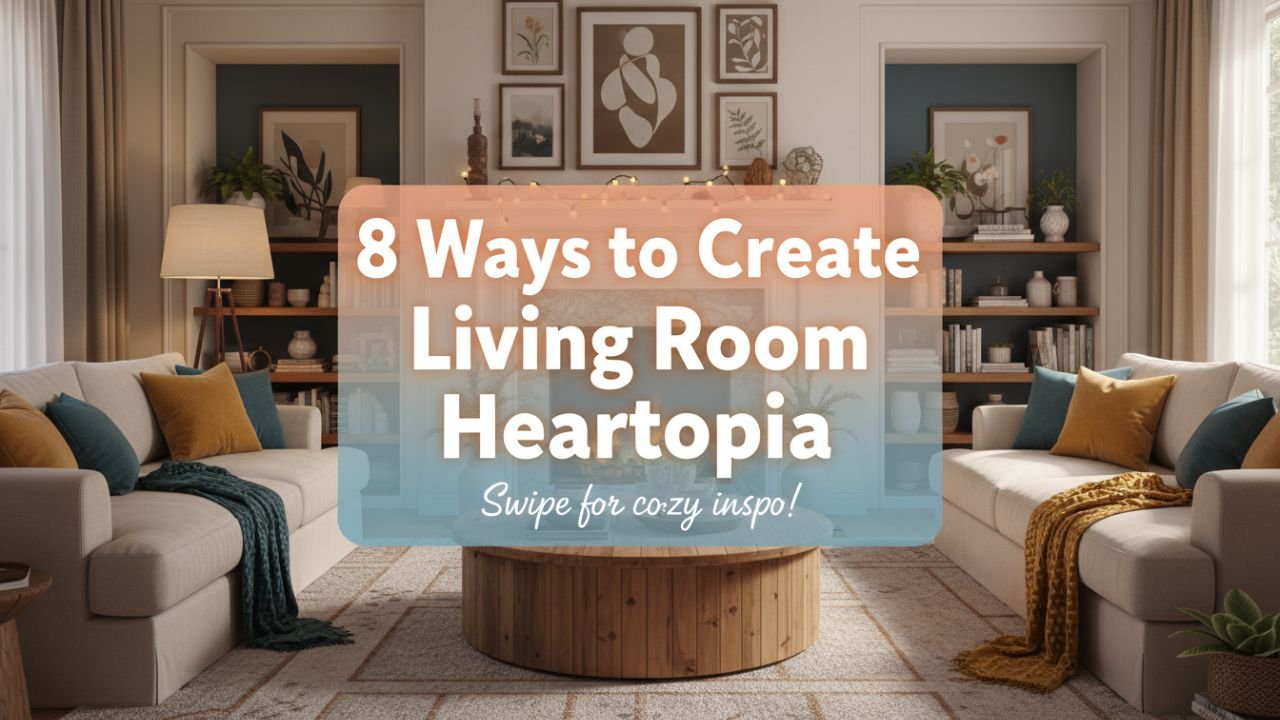
Your living room should feel like a place you actually want to be. Warm textures, layered rugs, trailing plants, and the kind of eclectic charm that makes a space feel truly alive—that’s the boho aesthetic in a nutshell.
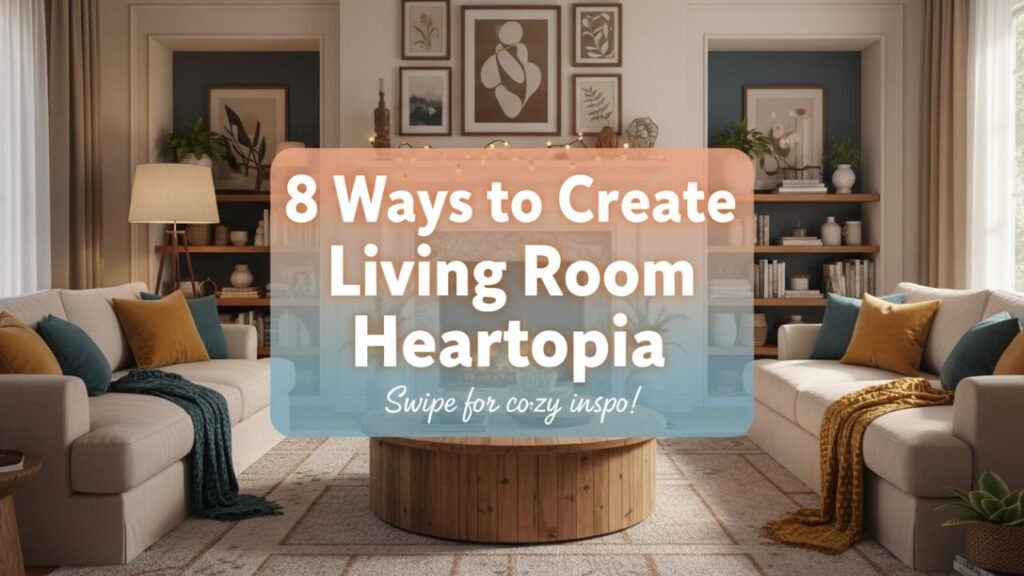
Whether you’re starting from scratch or looking to refresh what you already have, these eight ideas will help you transform your living room into a boho oasis.
1. Layer Your Rugs
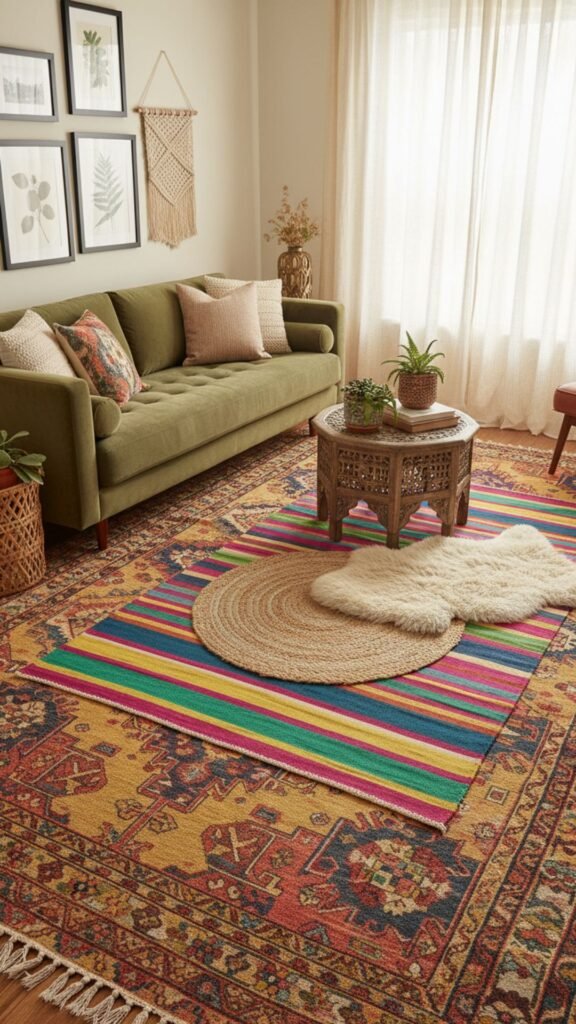
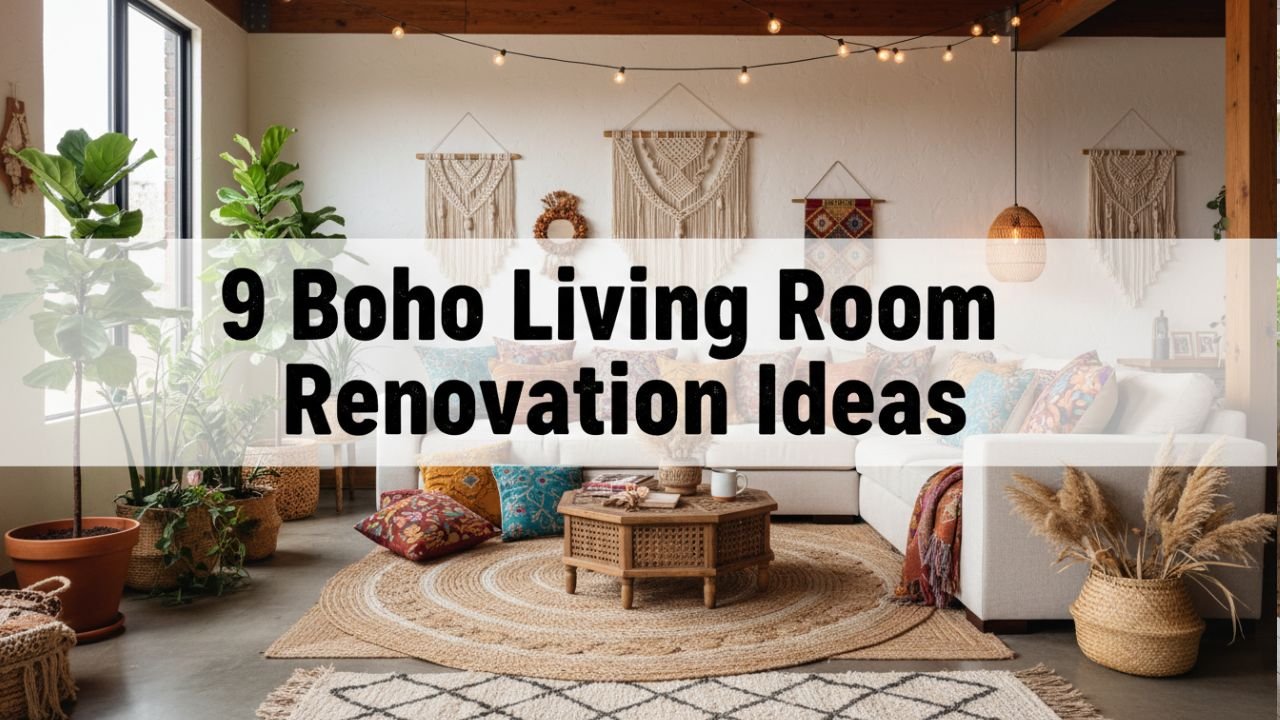
A single rug can anchor a room, but layered rugs bring warmth, texture, and that effortlessly lived-in feel that defines boho style. Mix patterns, sizes, and materials—think a jute base topped with a smaller Moroccan or Persian rug.
Steps To Achieve The Look:
- Start with a large natural fiber rug (jute or sisal) as your base
- Layer a smaller, patterned rug on top at an angle
- Mix textures like wool, cotton, and woven materials for depth
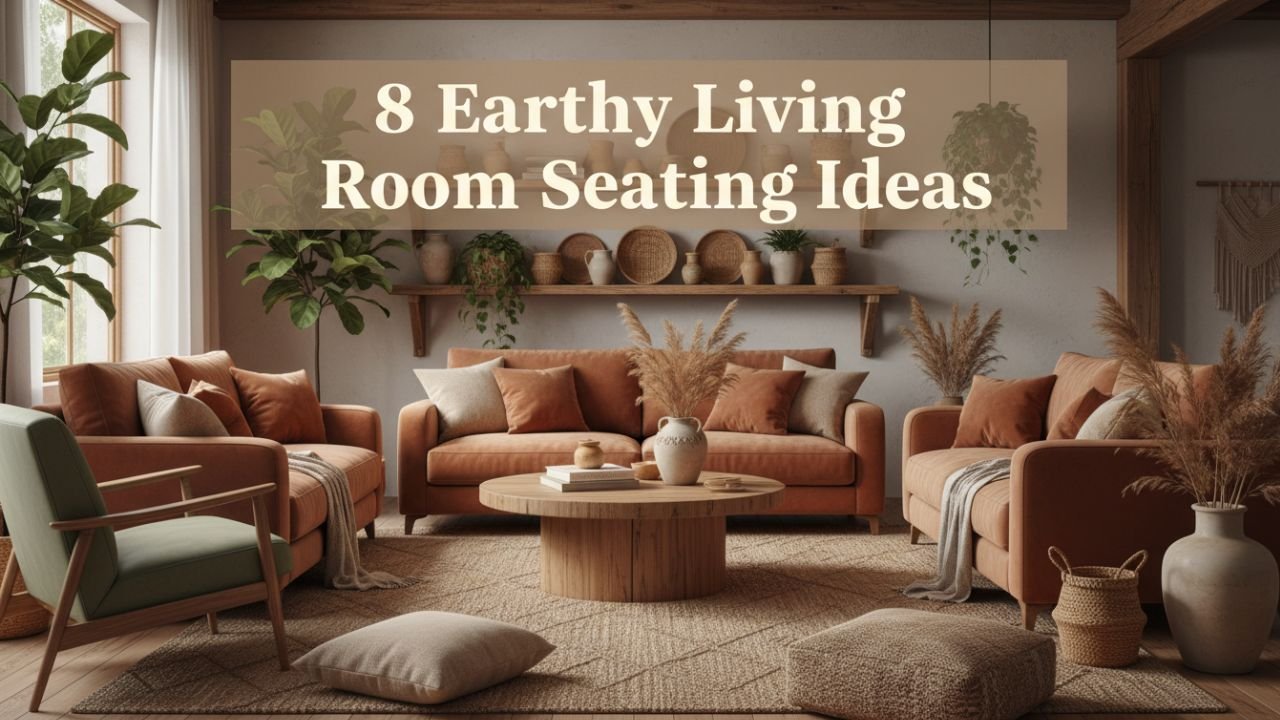
- Stick to an earthy color palette: terracotta, cream, rust, and sage
2. Incorporate Natural Materials
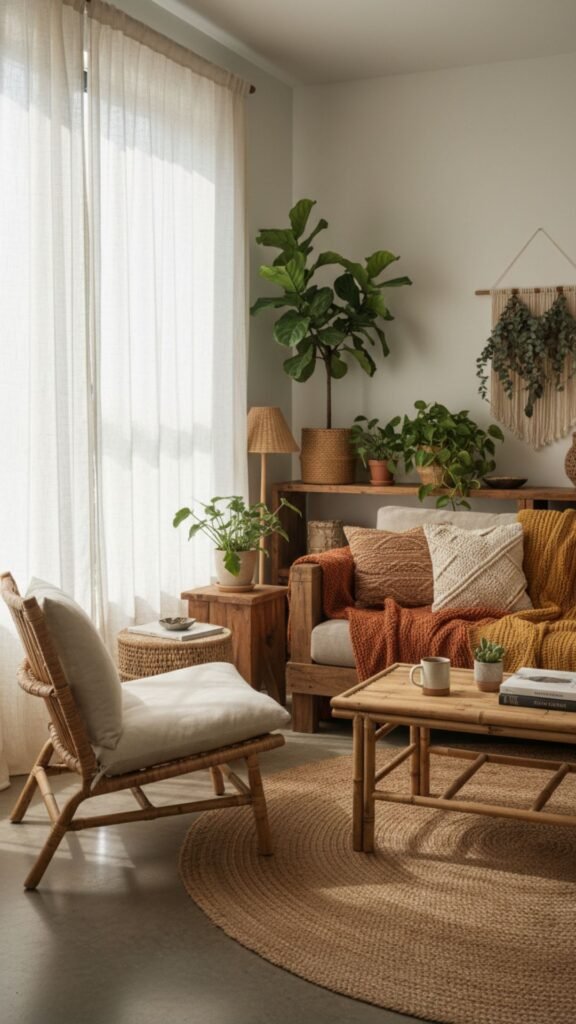
Boho interiors are deeply rooted in nature. Rattan, bamboo, wood, linen, and cotton are your best friends here. These materials add an organic, grounded quality that synthetic alternatives simply can’t replicate.
Steps To Achieve The Look:
- Swap out plastic or metal accents for rattan baskets and bamboo shelving
- Choose linen or cotton throw covers in neutral tones
- Add a reclaimed wood coffee table or side table
- Display natural objects like driftwood, stones, or dried botanicals
3. Bring in the Plants
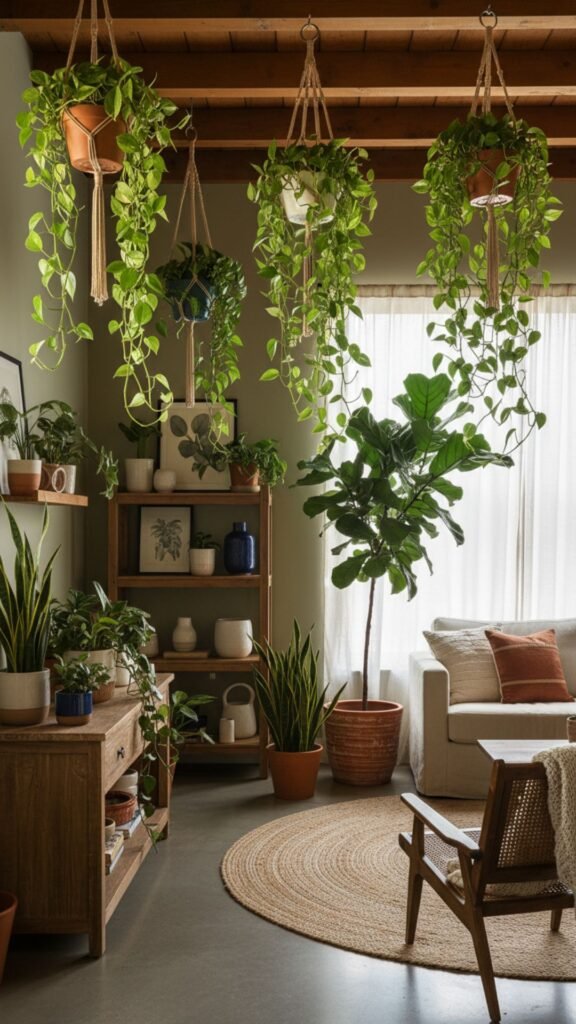
Nothing breathes life into a space quite like greenery. Plants are a boho staple—and the more, the better. From hanging pothos to oversized fiddle leaf figs, plants add color, texture, and a sense of organic movement.
Steps To Achieve The Look:
- Place a tall statement plant (like a monstera or palm) in a corner
- Hang trailing plants from macramé hangers near windows
- Group smaller plants on shelves or side tables at varying heights
- Use terracotta or woven pots to keep the aesthetic cohesive
4. Mix Patterns Boldly
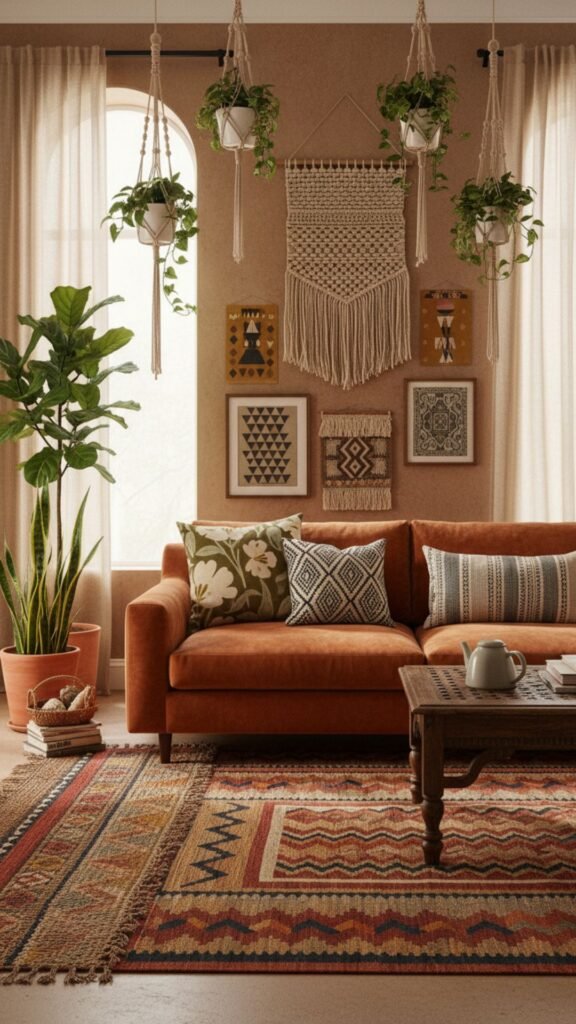
One of the most distinctive features of boho style is its fearless use of pattern. Florals, geometric prints, ikat, and tribal motifs can all coexist beautifully—as long as they share a common color story.
Steps To Achieve The Look:
- Choose two or three anchor colors to tie your patterns together
- Mix at least three different pattern scales (large, medium, small)
- Layer patterned throw pillows on your sofa or floor cushions
- Don’t overthink it—boho style is meant to feel curated but relaxed
5. Add Macramé and Woven Wall Art
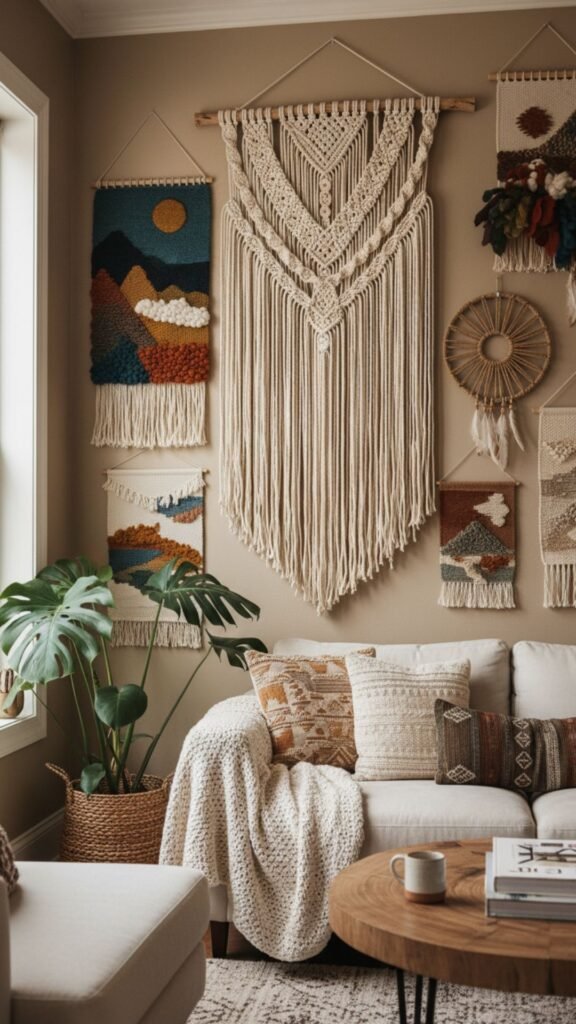
Walls are an often-overlooked opportunity to add texture. Macramé wall hangings, woven tapestries, and fiber art instantly warm up a room and add a handcrafted quality that feels personal and intentional.
Steps To Achieve The Look:
- Hang a large macramé piece as a focal point above your sofa
- Mix in smaller woven pieces or framed textile art
- Combine with shelving displaying books, plants, and candles
- Support independent artists on platforms like Etsy for one-of-a-kind pieces
6. Embrace Warm, Ambient Lighting
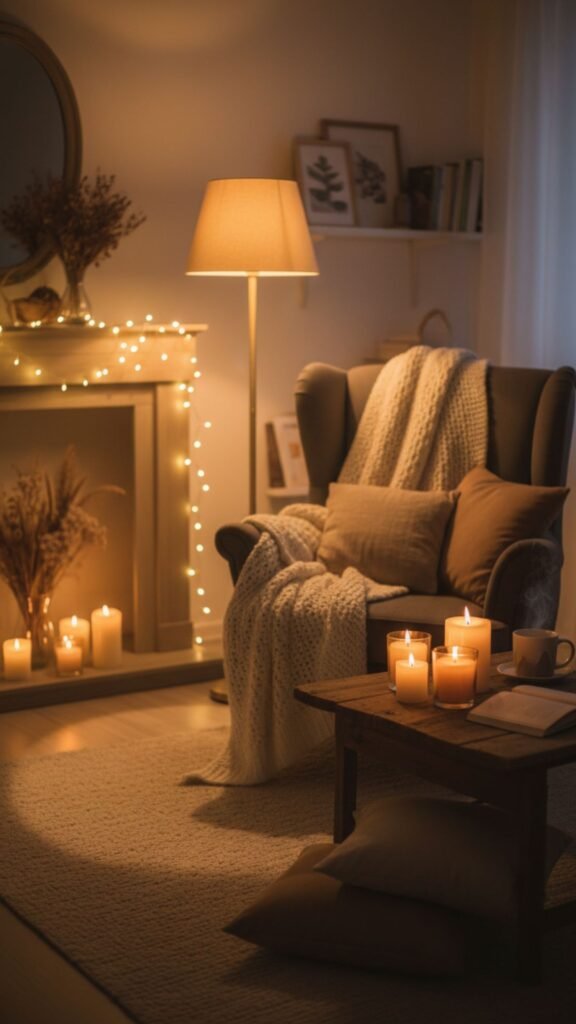
Bright overhead lighting is the enemy of boho vibes. Soft, layered lighting—think fairy lights, floor lamps, and candles—creates the warm, intimate atmosphere that makes a boho living room feel like a sanctuary.
Steps To Achieve The Look:
- Swap harsh ceiling lights for warm Edison bulbs or a rattan pendant light
- Add fairy lights along shelves or draped across walls
- Use an assortment of candles in earthy ceramic holders
- Layer floor lamps and table lamps to create soft pools of light
7. Curate an Eclectic Gallery Wall
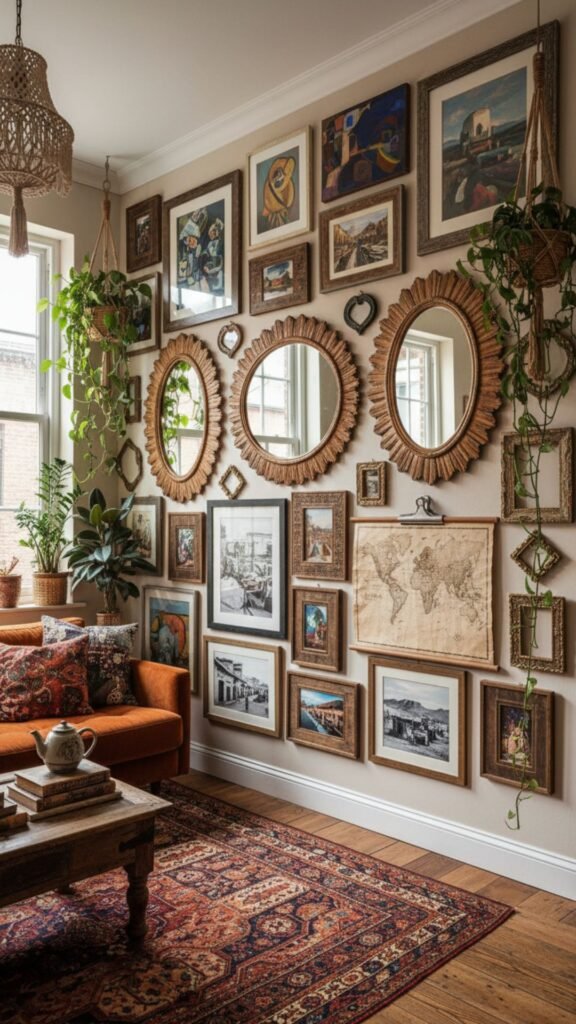
A gallery wall in a boho space is less about rigid symmetry and more about storytelling. Mix framed artwork, mirrors, vintage finds, and even hanging plants to create a collection that feels personal and well-traveled.
Steps To Achieve The Look:
- Gather a mix of frames in wood, rattan, and metal finishes
- Include a variety of art styles: photography, illustration, abstract, and botanical prints
- Add a mirror or two to open up the space
- Arrange pieces on the floor first before committing to nails in the wall
8. Pile on the Textiles
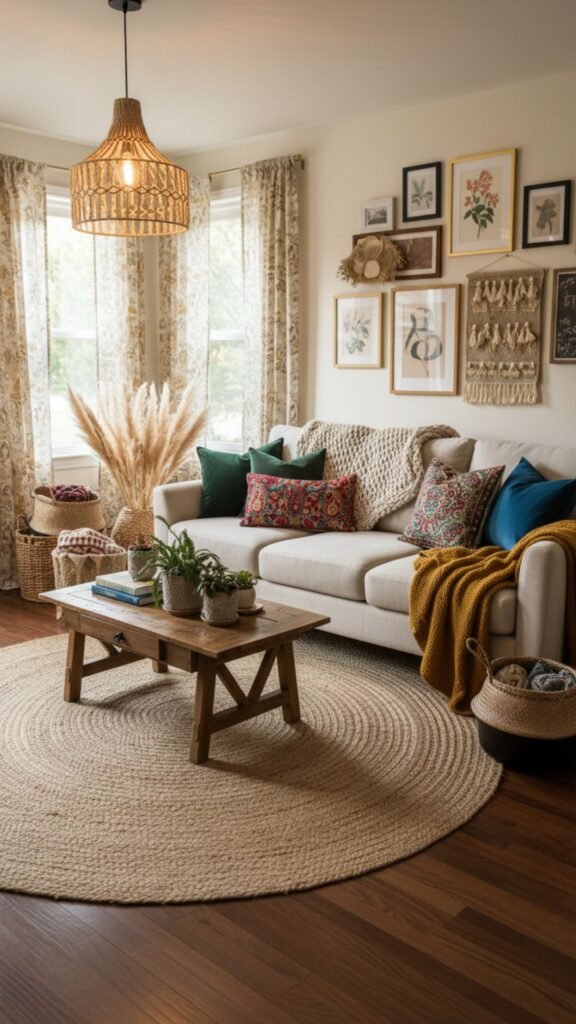
Boho style is synonymous with layered textiles. Chunky knit throws, velvet cushions, embroidered pillow covers—the more texture, the better. A well-dressed sofa or reading nook should look inviting enough to sink into.
Steps To Achieve The Look:
- Layer at least three different throw pillows in varying sizes and fabrics
- Drape a chunky knit or woven throw over your sofa or armchair
- Add a floor cushion or pouf for extra seating and relaxed lounging
- Stick to warm, earthy tones with the occasional pop of burnt orange or deep teal
Make the Space Yours
Boho style has no hard rules—and that’s exactly what makes it so accessible. Start with one or two of these ideas and build from there. The goal isn’t perfection; it’s creating a space that feels warm, layered, and genuinely you. Even small changes, like swapping your rug or adding a trailing plant, can make a noticeable difference.
Frequently Asked Questions (FAQs)
1. What is boho interior style?
Boho (short for bohemian) interior style is a relaxed, eclectic aesthetic that draws from global influences, natural materials, and an artistic, free-spirited sensibility. It typically features layered textiles, earthy tones, plants, vintage finds, and handcrafted elements.
2. How do I start decorating in a boho style on a budget?
Start small. Thrift stores, vintage markets, and platforms like Facebook Marketplace are great sources for affordable boho pieces. Focus on textiles first—rugs, cushions, and throws are low-cost ways to dramatically shift the feel of a room.
3. Can boho style work in a small living room?
Absolutely. In smaller spaces, focus on vertical elements like tall plants, wall hangings, and floor-to-ceiling shelving to draw the eye upward. Use mirrors to create a sense of openness, and stick to a consistent color palette to avoid the space feeling cluttered.
4. What colors are typical in boho interiors?
Boho palettes tend to lean earthy and warm: terracotta, rust, sand, sage green, deep burgundy, and cream. Rich jewel tones like teal and mustard are also commonly used as accent colors to add depth and warmth.
5. How is boho style different from maximalism?
While both embrace layering and eclecticism, boho style is guided by a natural, globally inspired aesthetic with a cohesive color story. Maximalism, by contrast, celebrates excess and bold contrasts without the same grounding in organic materials and earthy tones. Boho feels curated; maximalism feels intentionally abundant.