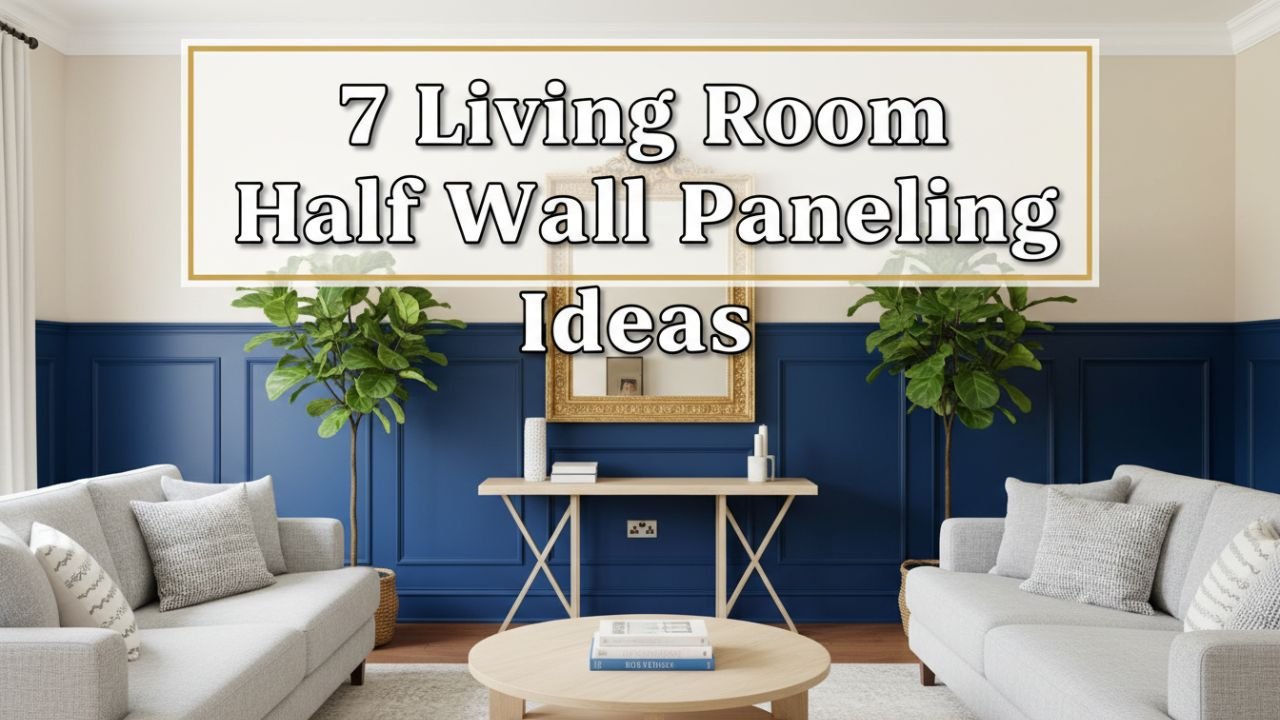
Half wall paneling is one of those design choices that quietly transforms a room. It adds texture, depth, and character—without the commitment of a full renovation.
Whether your living room leans traditional or ultra-modern, there’s a paneling style that fits. Here are seven ideas to inspire your next project.

1. Classic Shiplap Paneling
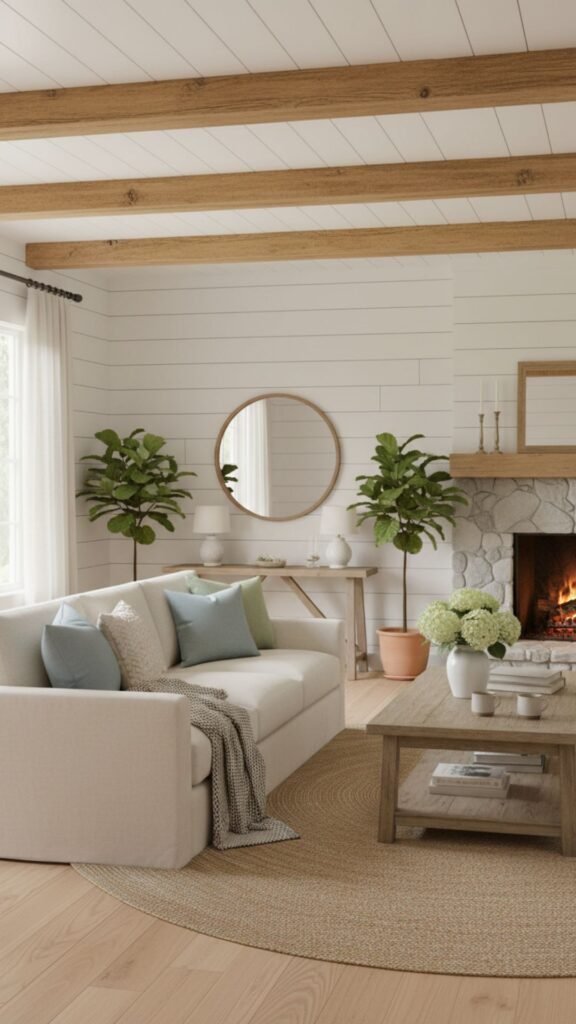
Shiplap brings that clean, farmhouse-inspired warmth that never really goes out of style. Painted white or left natural, it adds subtle texture to the lower half of your wall without overwhelming the space.
Steps To Achieve The Look:
- Measure and mark your desired panel height (typically 36–48 inches)
- Install horizontal shiplap boards with consistent gaps between each plank
- Sand smooth, prime, and paint in your chosen color
- Add a chair rail or trim piece at the top for a finished edge
2. Board and Batten Paneling
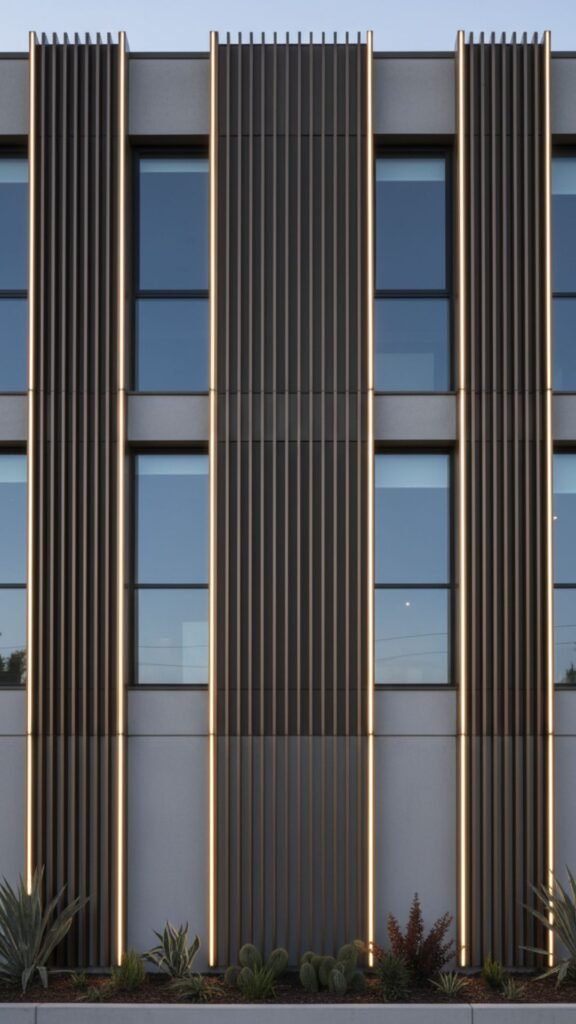
Board and batten is bold, structured, and surprisingly easy to DIY. The vertical lines draw the eye upward, making ceilings feel taller and rooms feel more polished.
Steps To Achieve The Look:
- Install a flat MDF base board across the lower wall section
- Attach evenly spaced vertical battens over the base
- Fill nail holes and seams with wood filler, then sand flat
- Paint everything the same color for a seamless, designer look
3. Wainscoting with Raised Panels
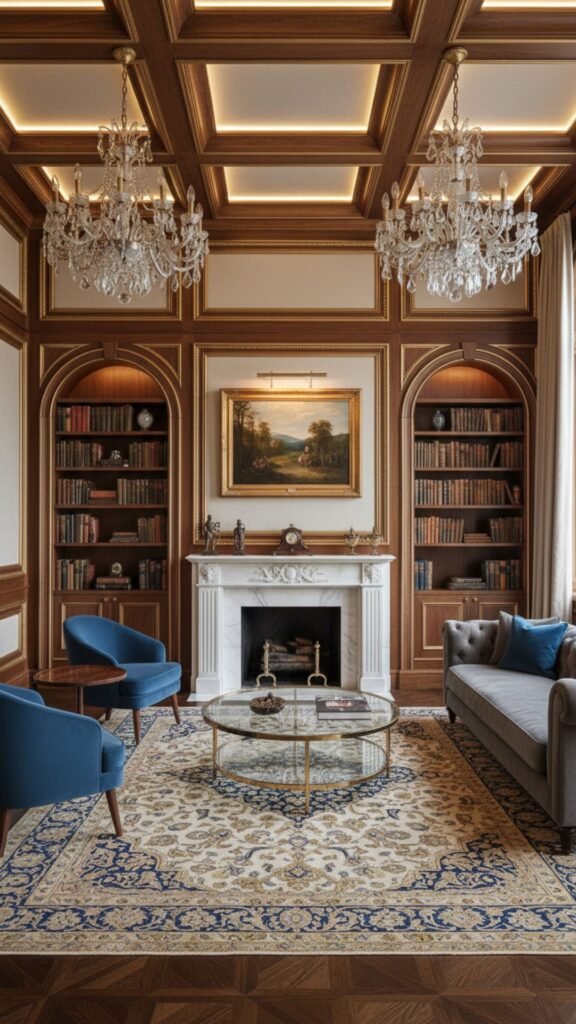
Raised panel wainscoting is the definition of classic elegance. It suits formal living rooms and period-style homes, lending an air of architectural detail that feels truly intentional.
Steps To Achieve The Look:
- Frame out rectangular panel sections using MDF or wood trim
- Add a raised center piece inside each frame
- Cap the top with a horizontal chair rail molding
- Paint in a soft neutral or deep heritage tone
4. Modern Slat Paneling
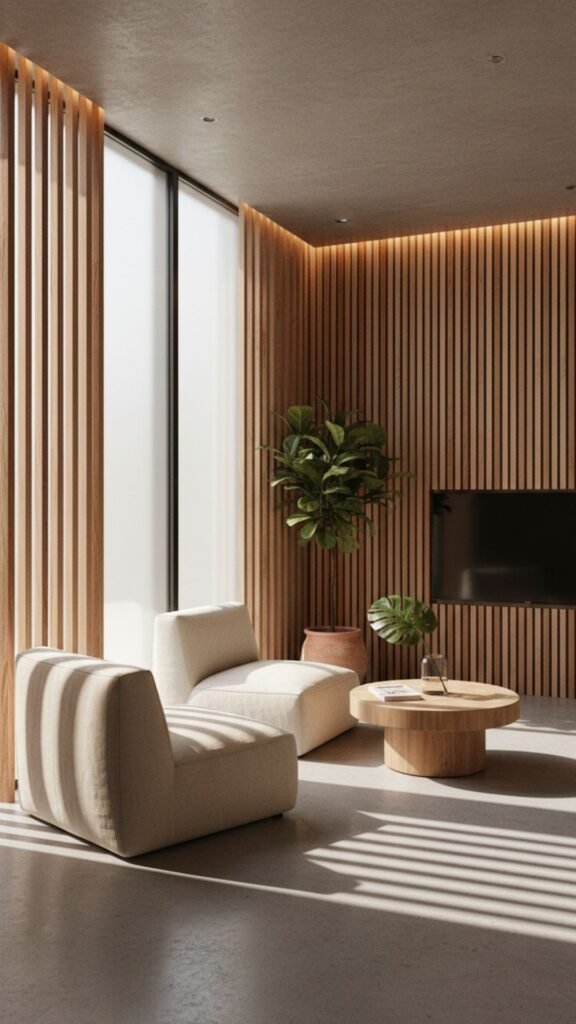
Slat paneling gives living rooms a contemporary, almost spa-like quality. The narrow vertical strips create rhythm and shadow, adding visual interest without clutter.
Steps To Achieve The Look:
- Choose pre-made slat panels or cut thin MDF strips to size
- Mount a plywood backing on the lower wall for a clean surface
- Attach slats vertically with consistent spacing using a nail gun
- Finish with a matte stain or paint to complement your furniture palette
5. Beadboard Paneling
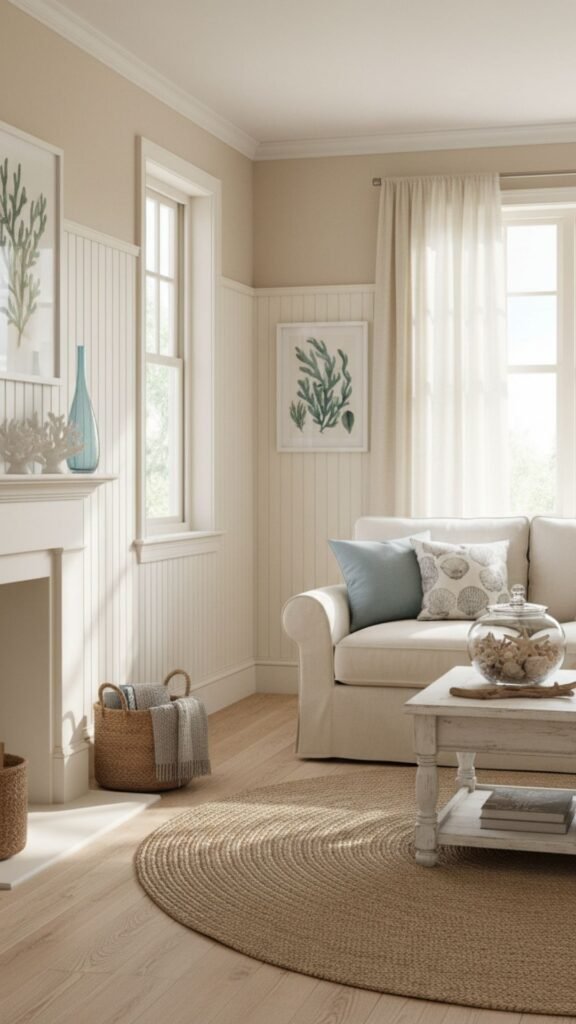
Beadboard is charming, versatile, and fits right into coastal, cottage, or transitional interiors. Its signature narrow grooves add subtle pattern without competing with the rest of your décor.
Steps To Achieve The Look:
- Purchase beadboard sheets or individual tongue-and-groove planks
- Glue and nail panels to the lower wall section
- Add a cap rail along the top edge
- Paint in white, cream, or a soft pastel for a classic finish
6. Geometric or Fluted Paneling
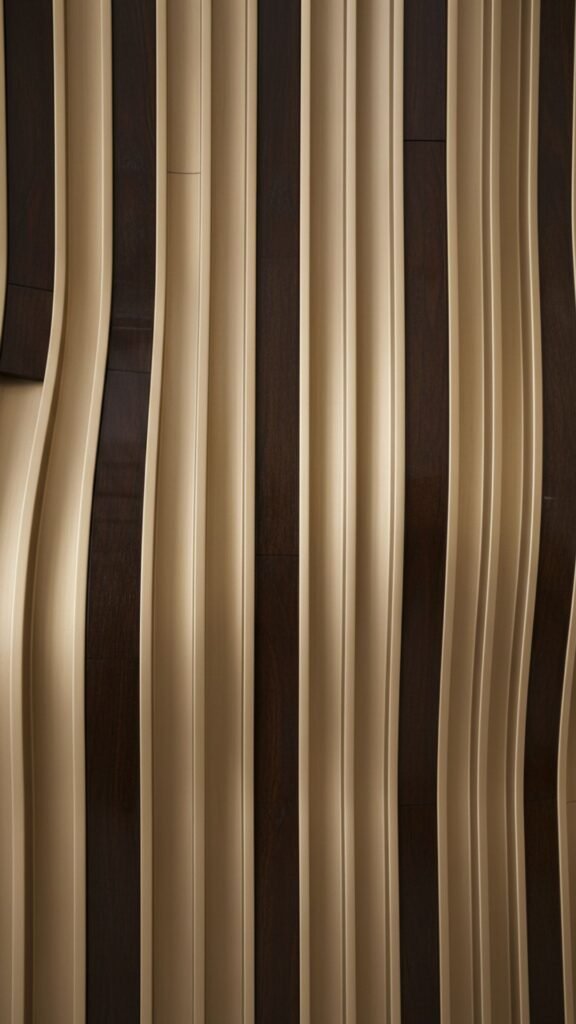
Fluted paneling brings a sculptural, high-end look that suits modern and Art Deco-inspired living rooms alike. The three-dimensional grooves catch light beautifully throughout the day.
Steps To Achieve The Look:
- Source fluted MDF panels or create custom fluting with a router
- Mount panels flush against the wall using construction adhesive
- Ensure seams align neatly where panels meet
- Finish in a deep tone—navy, charcoal, or forest green works especially well
7. Grasscloth or Fabric-Wrapped Panels
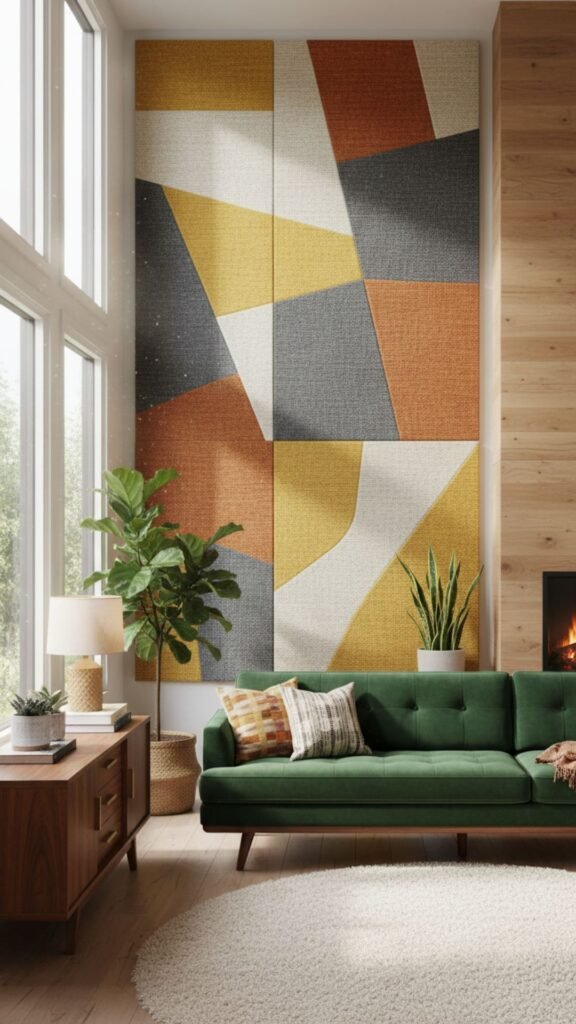
For a softer, more textural approach, fabric-wrapped panels add warmth and acoustic comfort. They suit eclectic, maximalist, or mid-century modern spaces beautifully.
Steps To Achieve The Look:
- Cut plywood or MDF panels to your desired size
- Wrap each panel tightly in grasscloth or fabric, securing at the back with a staple gun
- Mount panels side by side across the lower wall section
- Use matching or contrasting trim to frame the installation
Bring Your Walls to Life
Half wall paneling is one of the most cost-effective ways to upgrade a living room. Pick a style that fits your existing aesthetic, gather your materials, and start small—even a single feature wall can make a dramatic difference. If you’re unsure where to begin, consult a local joiner or interior designer for a tailored recommendation.
Frequently Asked Questions (FAQs)
1. What height should half wall paneling be?
Standard half wall paneling typically sits between 36 and 48 inches high, roughly one-third of the total wall height. However, you can adjust this based on ceiling height and the style you’re going for.
2. What materials work best for living room paneling?
MDF is the most popular choice—it’s affordable, easy to cut, and takes paint well. Solid wood offers more durability and a premium finish, while PVC panels work well in high-humidity areas.
3. Can I install half wall paneling myself?
Yes! Most paneling styles are beginner-friendly, especially shiplap, beadboard, and board and batten. You’ll need basic tools like a nail gun, level, saw, and sandpaper.
4. How do I choose the right paneling style for my living room?
Consider your existing furniture, flooring, and overall aesthetic. Traditional homes suit raised panel wainscoting or beadboard, while modern spaces often benefit from slat or fluted paneling.
5. Do I need to paint paneling, or can I leave it natural?
Both work. Painting gives a clean, cohesive look, while natural wood tones add warmth and texture. The choice depends on the mood you want to create.