
There’s a reason Japanese interior design has captivated homeowners around the world. It’s calm.

It’s intentional. Every element serves a purpose, and nothing is there by accident. If your living room feels cluttered or chaotic, these seven Japanese-inspired designs might be exactly what you need.
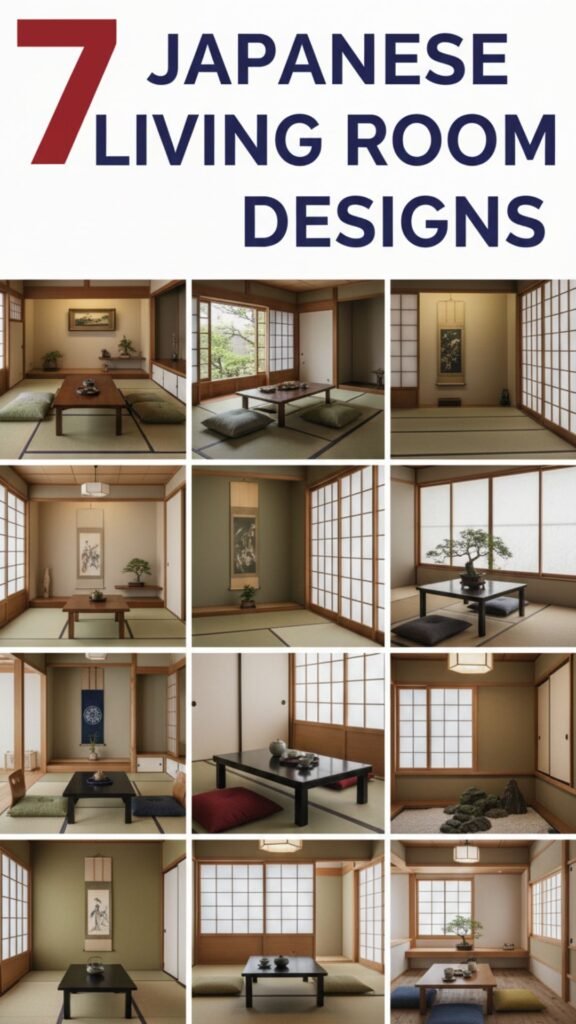
1. Wabi-Sabi: The Beauty of Imperfection
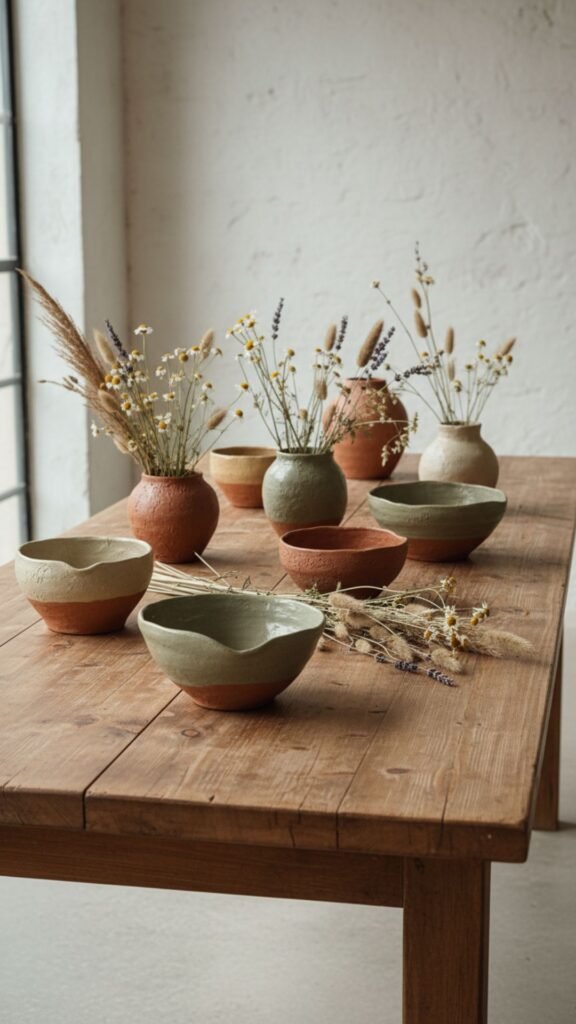
Wabi-sabi embraces the imperfect, the incomplete, and the aged. Think cracked ceramics, weathered wood, and raw textures that tell a story. This style finds beauty in simplicity and encourages you to stop chasing perfection.
Steps To Achieve The Look:
- Use natural, unfinished materials like raw linen, reclaimed wood, and stone
- Display handmade or slightly imperfect ceramics and pottery
- Choose muted, earthy tones—cream, taupe, and warm grey
- Avoid symmetry; let arrangements feel organic and unplanned
2. Zen Minimalism: Less Is More
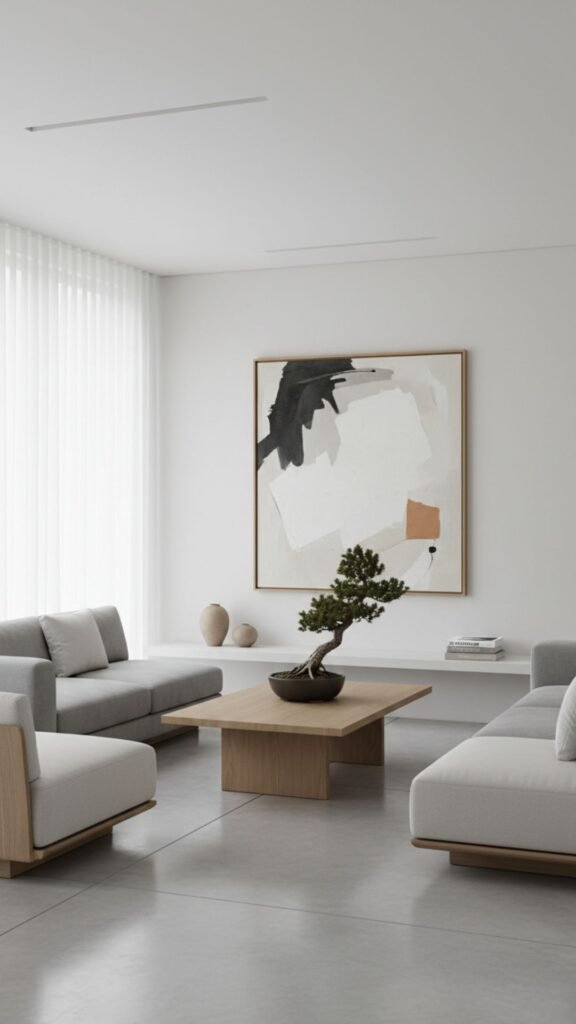
Zen minimalism strips the room down to its bare essentials. Clean lines, open floor space, and a carefully chosen few objects create a living room that feels like a deep breath.
Steps To Achieve The Look:
- Remove all non-essential furniture and decor
- Keep a low-profile sofa or floor cushions as the focal seating
- Use a single piece of art or a small bonsai as a focal point
- Stick to a monochromatic color palette with subtle warm accents
3. Japandi: Where Japanese Meets Scandinavian
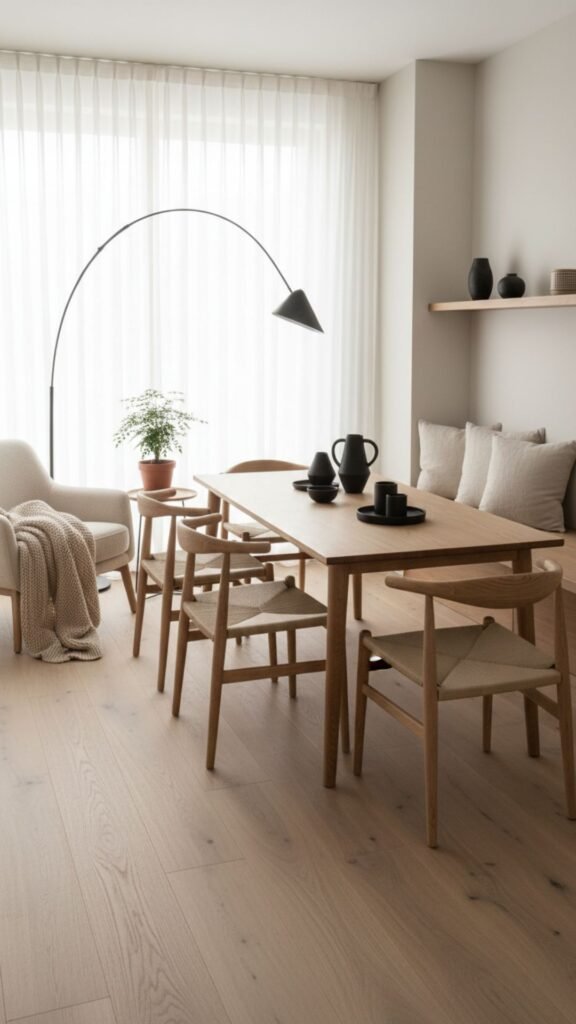
Japandi blends Japanese minimalism with Scandinavian functionality. The result? A living room that’s both cozy and clean, warm yet uncluttered.
Steps To Achieve The Look:
- Pair light wood furniture with dark, matte accents
- Layer neutral textiles—think wool throws and linen cushions
- Choose furniture with clean, simple silhouettes and no ornate detailing
- Add a few indoor plants to bring life into the space
4. Shoji Screen Dividers: Light and Privacy in Balance
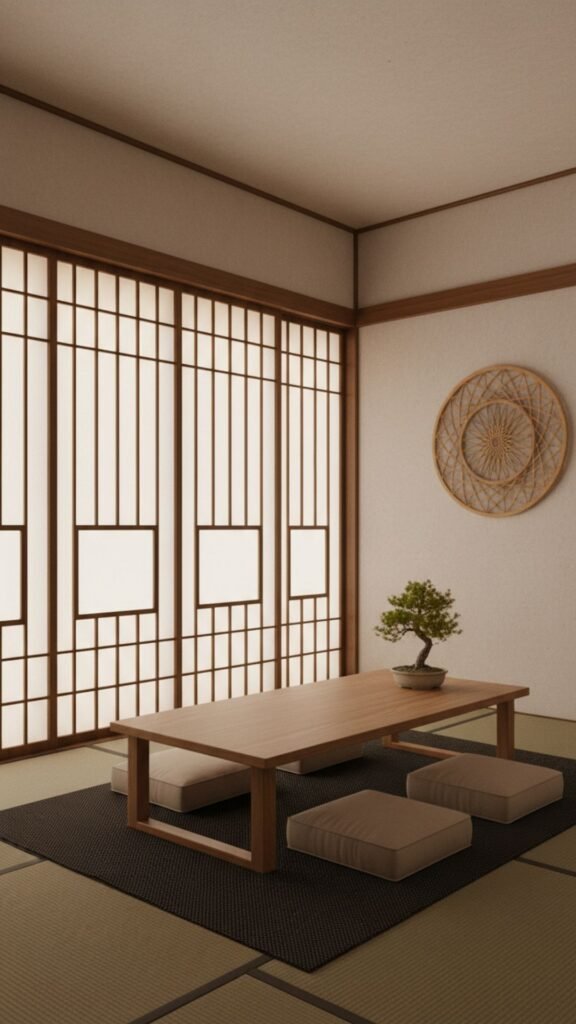
Shoji screens—traditional Japanese sliding panels made from translucent paper and wood—filter light beautifully while defining space without closing it off.
Steps To Achieve The Look:
- Install shoji-style screens as room dividers or window coverings
- Use warm, ambient lighting behind screens for a glowing evening effect
- Keep surrounding furniture low and minimal to complement the screens
- Choose natural wood tones that match or contrast softly with your flooring
5. Tatami-Inspired Flooring: Ground Yourself
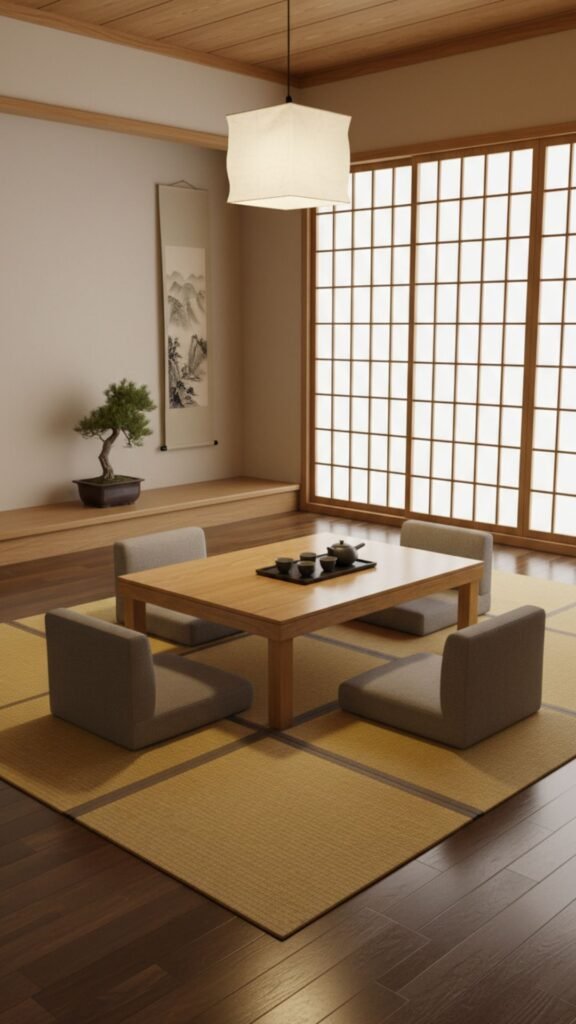
Tatami mats have been a cornerstone of Japanese living for centuries. Incorporating this texture into your living room grounds the space and adds an unmistakable sense of calm.
Steps To Achieve The Look:
- Lay tatami mats or tatami-inspired rugs over hardwood or tile floors
- Opt for floor-level seating with zabuton cushions or a low kotatsu table
- Keep wall decor minimal to draw the eye downward to the floor
- Use soft, warm lighting to enhance the natural texture of the mats
6. Nature-Inspired (Satoyama): Bring the Outdoors In
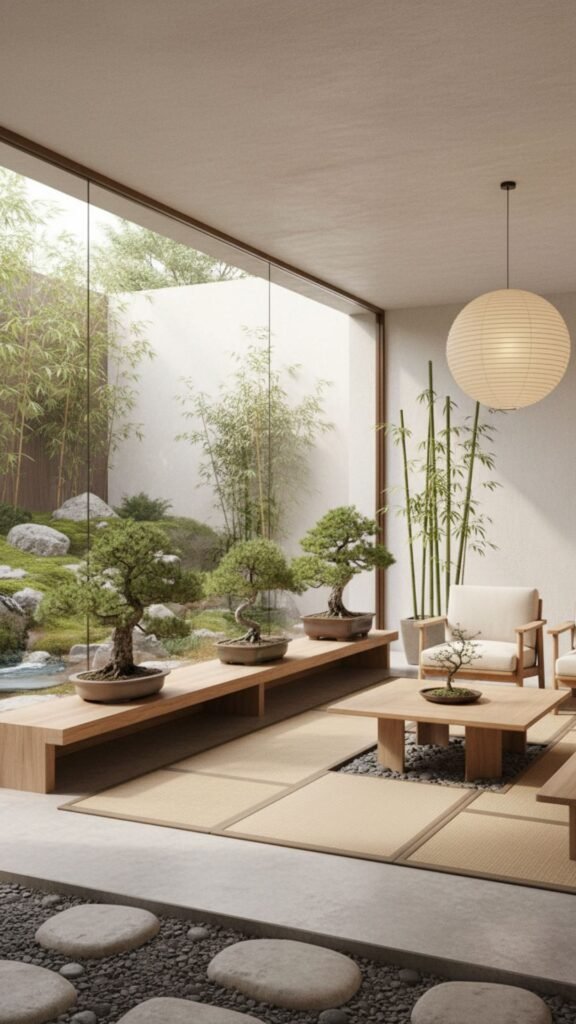
Satoyama refers to the harmonious relationship between humans and nature. This design philosophy brings natural elements inside to restore balance and calm.
Steps To Achieve The Look:
- Incorporate potted bamboo, bonsai trees, or moss arrangements
- Use stone, pebble trays, or driftwood as decorative accents
- Choose furniture in natural wood finishes with visible grain
- Position seating near windows to maximize natural light and garden views
7. Ma: The Art of Negative Space
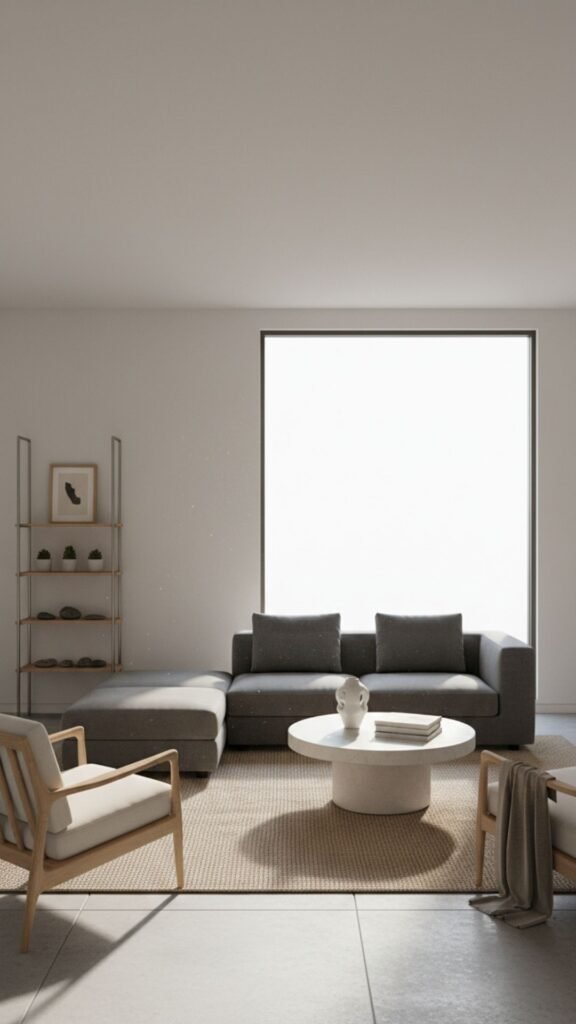
Ma is the Japanese concept of meaningful emptiness—the deliberate use of space to create breathing room. A living room designed around ma feels open, peaceful, and intentional.
Steps To Achieve The Look:
- Resist the urge to fill every surface or corner
- Leave intentional gaps between furniture pieces
- Display one or two meaningful objects rather than collections
- Use open shelving sparingly, keeping most shelves empty or lightly styled
Build Your Sanctuary, One Element at a Time
You don’t need to overhaul your entire living room overnight. Start with one principle—clear the clutter, add a natural texture, or let a single empty corner breathe. Japanese design teaches patience. Apply it to the process itself, and your space will thank you.
Frequently Asked Questions (FAQs)
1. What makes Japanese living room design unique?
Japanese design prioritizes simplicity, function, and harmony with nature. Every element is chosen with intention, creating spaces that feel calm rather than busy.
2. Is Japanese interior design expensive to achieve?
Not necessarily. Many elements—like decluttering, using natural materials, or adding a single plant—cost very little and can dramatically shift the feel of a room.
3. Can I mix Japanese design with my existing furniture?
Yes. Start by removing excess items and introducing one or two Japanese-inspired elements, like a low table, a shoji screen, or a tatami-style rug.
4. What colors work best in a Japanese-inspired living room?
Neutral, earthy tones work best—white, beige, warm grey, soft green, and natural wood tones. Avoid bright or highly saturated colors.
5. How do I maintain a minimalist Japanese living room over time?
Adopt a “one in, one out” rule for new items, regularly declutter, and ask yourself whether each object genuinely adds meaning or function to the space.