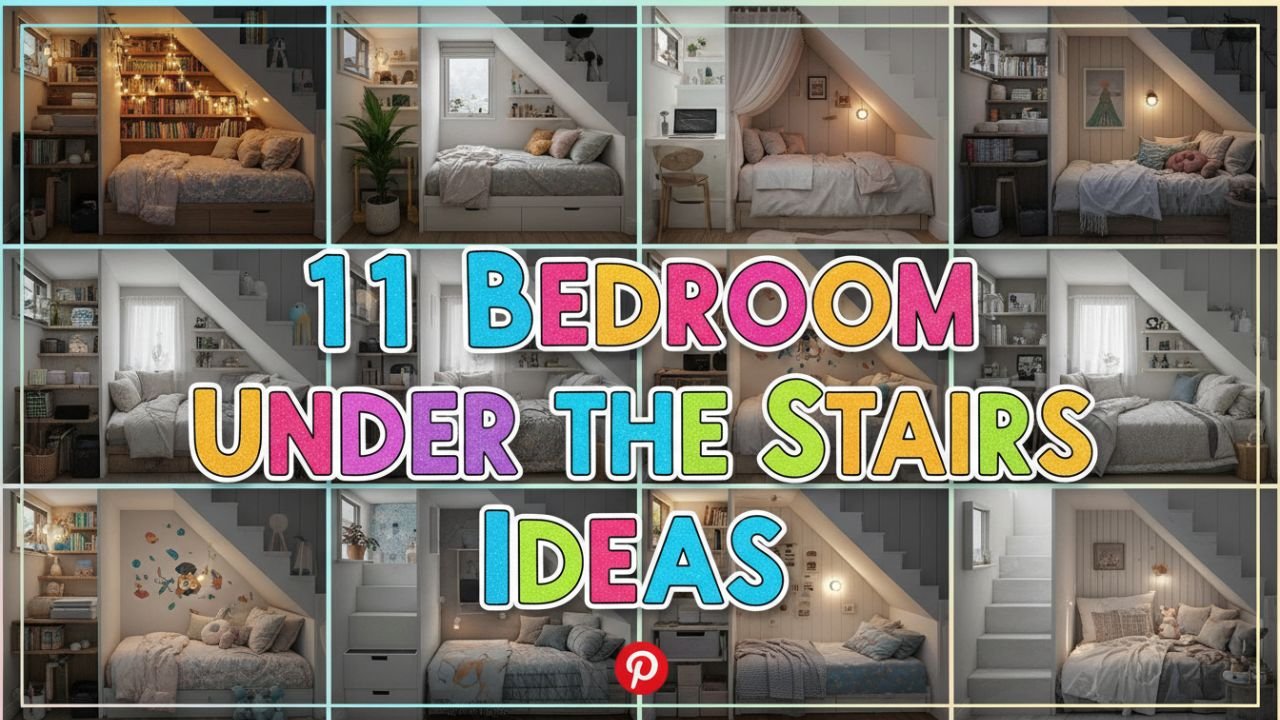
That awkward triangular space tucked beneath your staircase? It doesn’t have to stay a dusty storage closet. With the right design approach, a bedroom under the stairs can become one of the most charming, functional rooms in your home—cozy, unique, and surprisingly spacious.

Whether you’re working with a small guest nook or a full sleeping area, there are clever ways to make every inch count. Here are 11 creative ideas to get you started.
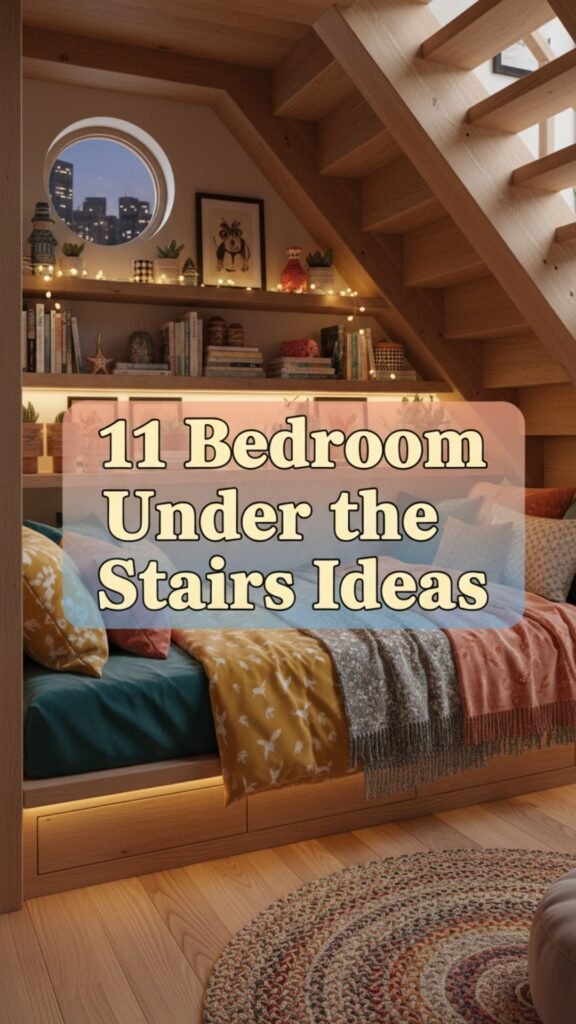
1. Built-In Bed with Storage Drawers
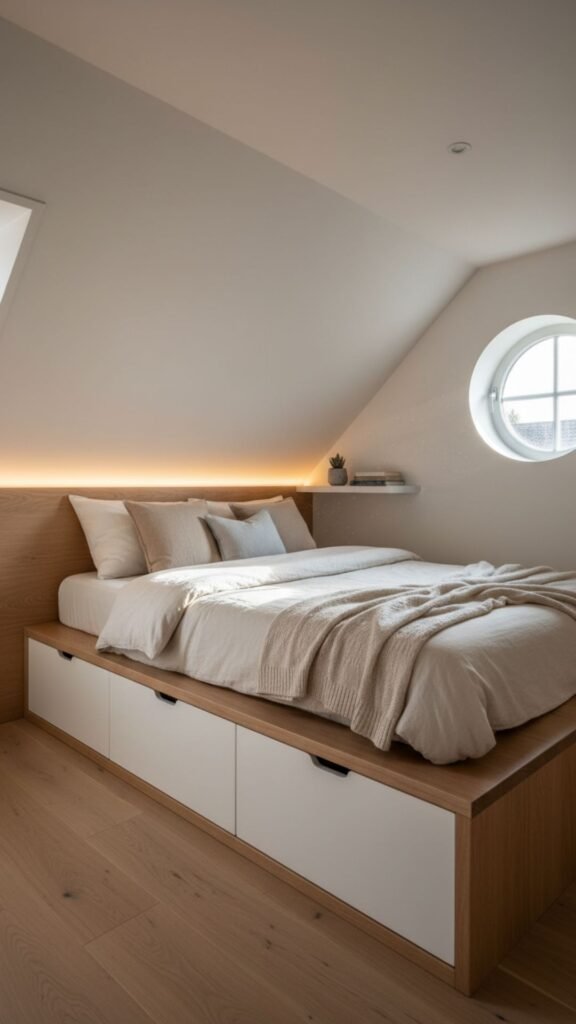
A custom built-in bed is one of the smartest ways to use an under-stair bedroom. The sloped ceiling naturally frames the sleeping area, creating a snug, cabin-like feel. Add pull-out drawers beneath the mattress platform for hidden storage—perfect for bedding, clothes, or shoes.
How To Achieve This Look:
- Commission a carpenter to build a platform bed that fits the exact dimensions of the space
- Choose drawers with soft-close mechanisms for a sleek, quiet finish
- Use light-colored wood or painted MDF to keep the space feeling open
Items To Buy
- Platform Bed Frame with Storage Drawers
- Under-Bed Storage Bins
- Soft-Close Drawer Slides
- Wood Paint for Furniture
- Foam Mattress for Platform Bed
- Mattress Topper
- Fitted Bed Sheets
- Storage Drawer Organizers
- LED Strip Lights for Bed Frame
- Wood Stain and Sealant
2. Curtained Sleeping Alcove
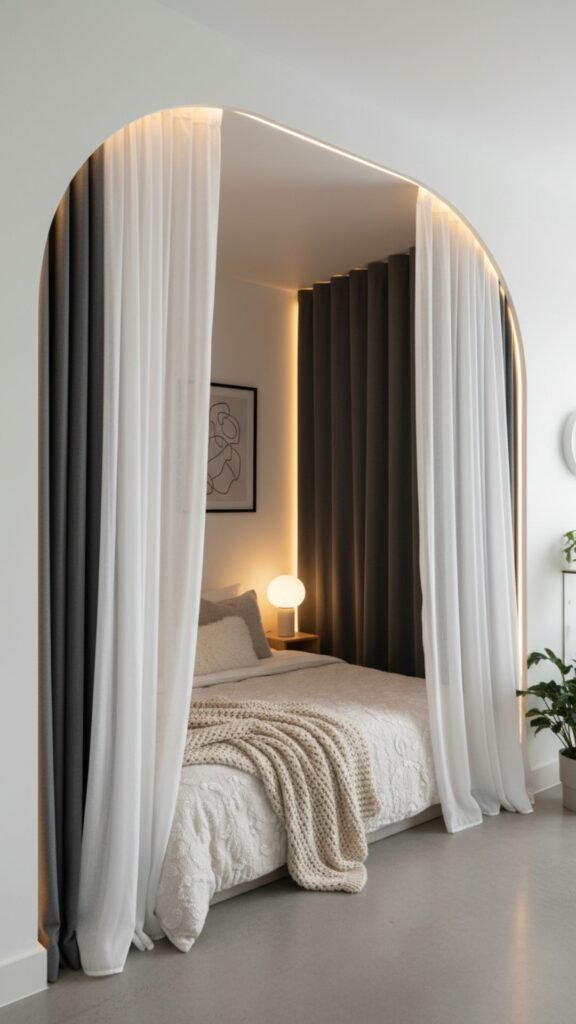
Add curtains instead of doors for a soft, dreamy bedroom nook. This approach works beautifully in shared spaces—kids’ rooms, studio apartments, or guest areas—where you want to create privacy without hard walls. Floor-to-ceiling curtains give the illusion of height and add a cozy, enclosed feel.
How To Achieve This Look:
- Install a ceiling-mounted curtain track that follows the shape of the staircase
- Choose thick, blackout fabric to block light and sound
- Layer with sheer curtains for a light, airy daytime look
Items To Buy
- Ceiling Mounted Curtain Track
- Blackout Curtain Panels
- Sheer Curtains
- Curtain Rings with Clips
- Curtain Holdbacks
- Tension Curtain Rod
- No-Drill Curtain Hardware
- Velvet Curtains
- Curtain Liner
- Floor-to-Ceiling Curtain Set
3. Kids’ Bunk or Loft Bed Nook
Children absolutely love a secret sleeping space—and an under-stair nook delivers exactly that. A low loft or single bunk bed fits perfectly in the sloped area, and you can lean into the playful aesthetic with fun colors, fairy lights, and built-in shelving for books and toys.
How To Achieve This Look:
- Measure the full height at the tallest point to determine whether a loft or standard bed fits best
- Paint the walls inside the nook in a bold, fun color to make it feel like a special hideaway
- Add a small ladder and guardrails for safety
Items To Buy
- Kids Loft Bed with Ladder
- Guardrails for Loft Bed
- Fairy Lights for Kids Bedroom
- Kids Bedroom Wall Paint
- Kids Bookshelf for Small Spaces
- Children’s Bedroom Rug
- Glow-in-the-Dark Stars Wall Stickers
- Personalized Name Wall Decal
- Kids Reading Light Clip-On
- Storage Toy Box for Bedroom
4. Minimalist Japanese-Style Sleeping Nook
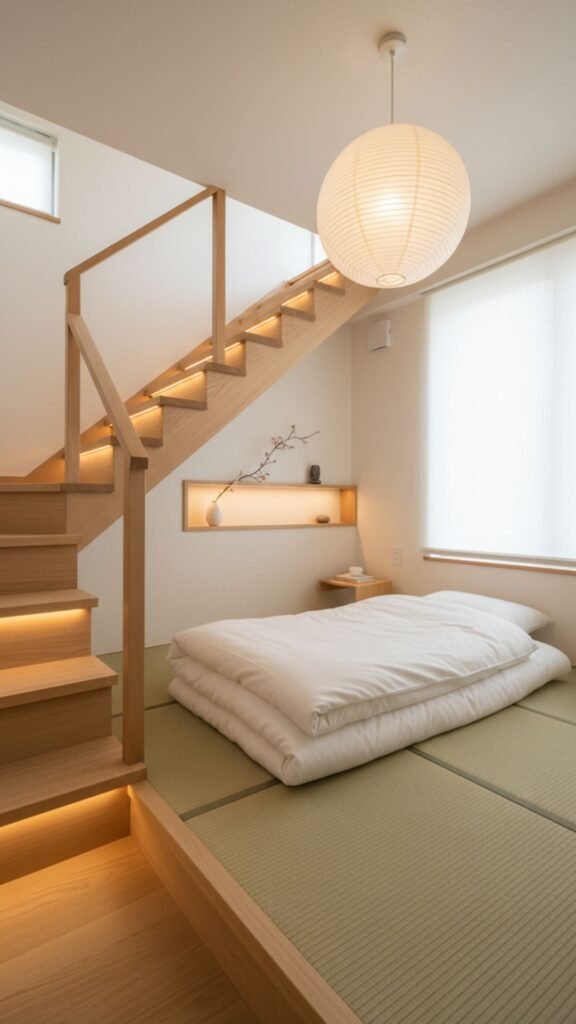
Inspired by the compact sleeping spaces found in Japanese capsule hotels, this design strips the room back to its essentials. A low platform mattress, clean lines, and neutral tones create a serene sleeping retreat that feels intentional rather than cramped.
How To Achieve This Look:
- Use a low-profile Japanese floor mattress or futon
- Keep the color palette to whites, grays, and natural wood tones
- Add a small bedside shelf or wall-mounted light to avoid cluttering the floor
Items To Buy
- Japanese Floor Mattress Futon
- Low Platform Bed Frame
- Bamboo Bedside Shelf
- Wall-Mounted Reading Light
- Natural Linen Bedding Set
- Minimalist Bedroom Rug
- Shoji Screen Room Divider
- Japanese Incense Holder
- Neutral Throw Blanket
- Tatami Mat
5. Bohemian Canopy Bed Nook
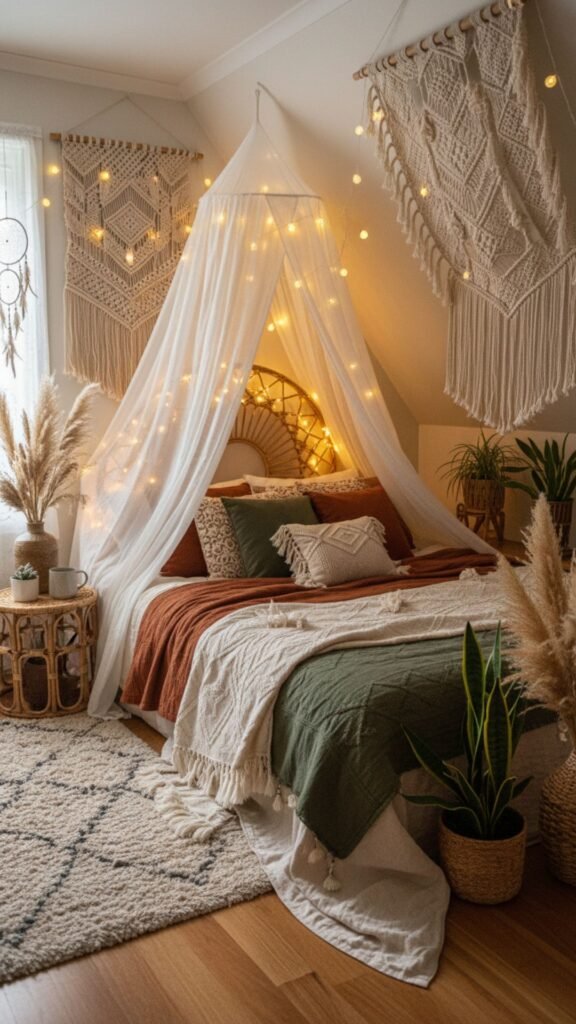
Drape flowing fabrics from the ceiling to transform an under-stair space into a romantic, boho retreat. Layered textiles, warm lighting, and earthy tones make this style feel rich and inviting—even in a small footprint.
How To Achieve This Look:
- Install a ceiling hook or canopy frame at the peak of the nook
- Layer macramé, gauze, or woven textiles over the bed and walls
- Use warm Edison bulbs or string lights to add a golden glow
Items To Buy
- Bed Canopy Frame
- Macramé Wall Hanging
- Bohemian Bedding Set
- String Lights Warm White
- Edison Bulb Pendant Light
- Woven Throw Blanket
- Rattan Bedside Table
- Boho Floor Cushions
- Patterned Area Rug
- Canopy Sheer Curtain Set
6. Compact Guest Room with Murphy Bed
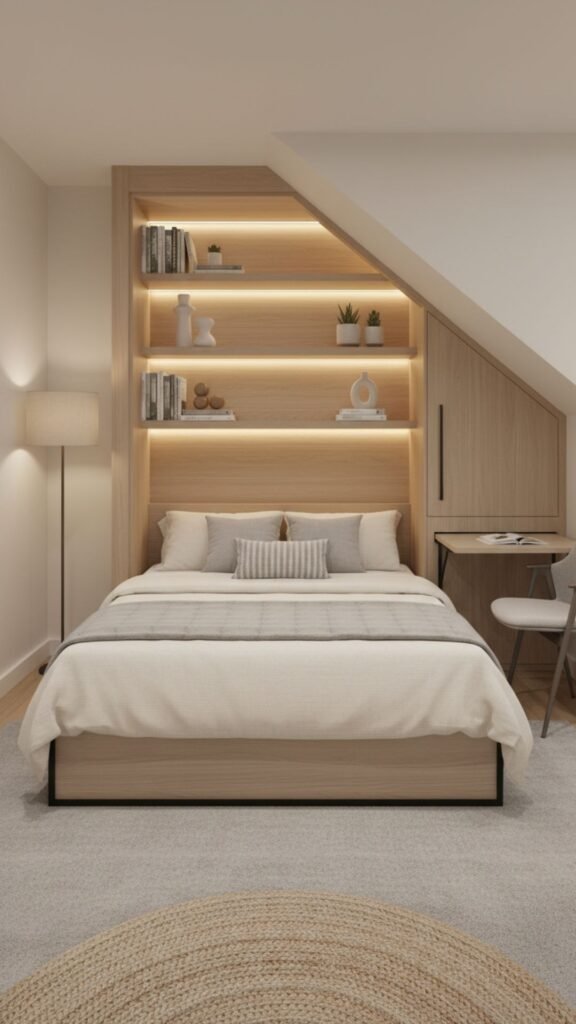
A Murphy bed—also called a wall bed—folds flush against the wall when not in use, making it one of the most practical solutions for a small under-stair bedroom. During the day, the space can serve as a reading corner or home office. At night, it converts to a comfortable guest room in seconds.
How To Achieve This Look:
- Choose a Murphy bed kit designed for low-ceiling spaces
- Add a fold-down desk or shelf that doubles as a workspace
- Mount floating shelves above the bed footprint for books and décor
Items To Buy
- Murphy Bed Wall Bed Kit
- Fold-Down Wall Desk
- Floating Wall Shelves
- Murphy Bed Mattress
- Space-Saving Bedding Set
- Wall Anchor Kit
- Under-Stair Lighting
- Compact Bedside Lamp
- Throw Pillow Set
- Small Area Rug
7. Industrial Loft-Style Bedroom
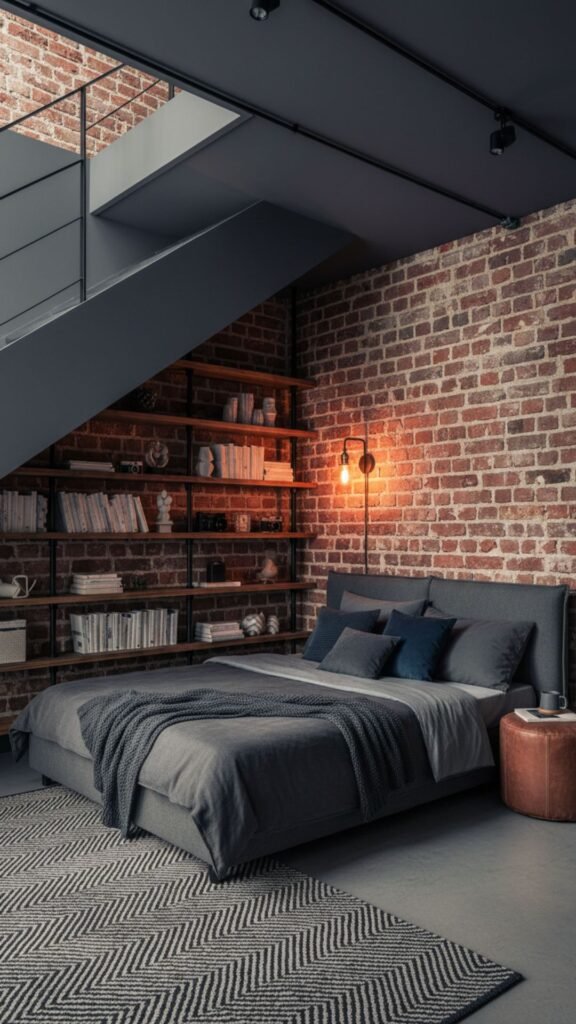
Exposed brick, concrete finishes, and dark metal accents give an under-stair bedroom a cool, urban edge. This style works well in older homes where the staircase structure features raw wood or exposed beams—lean into those original details rather than hiding them.
How To Achieve This Look:
- Use dark, moody paint on the sloped ceiling to make it feel intentional
- Incorporate metal pipe shelving and industrial-style lighting
- Choose bedding in deep, rich tones—charcoal, navy, or forest green
Items To Buy
- Industrial Pipe Shelving
- Industrial Style Pendant Light
- Dark Paint for Ceilings
- Exposed Brick Wallpaper
- Metal Bed Frame
- Dark Linen Duvet Cover
- Concrete Effect Paint
- Industrial Bedside Table
- Edison Bulb Wall Sconce
- Black Geometric Rug
8. Pastel Scandinavian Bedroom Nook
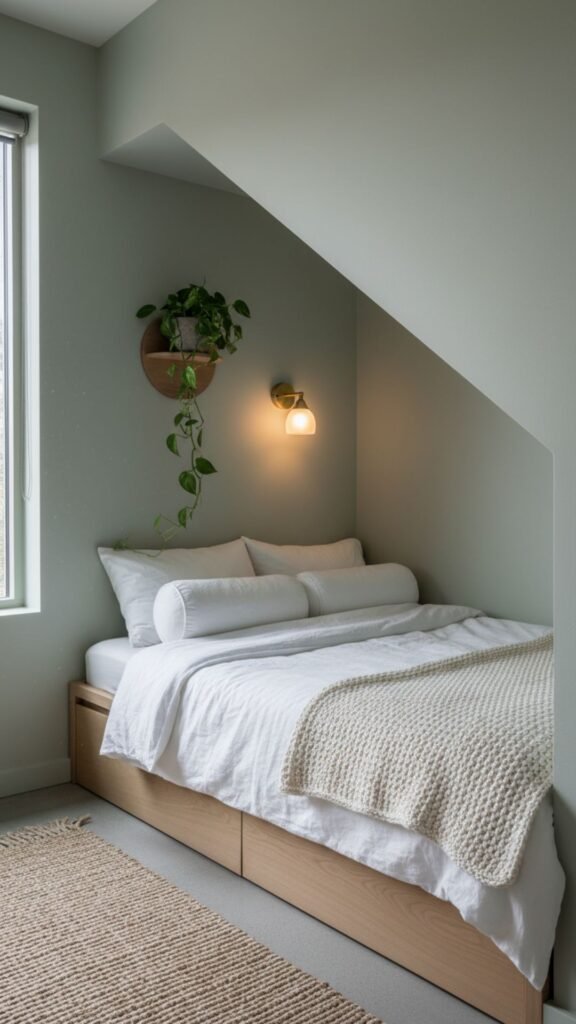
Soft pastels, clean lines, and functional simplicity define this approach. Scandinavian design thrives in compact spaces because it prioritizes light and order over ornamentation. The result is a bedroom that feels airy and calm, even under a sloping ceiling.
How To Achieve This Look:
- Paint the walls in soft sage, blush, or pale blue
- Choose light wood furniture with simple, clean profiles
- Keep décor to a minimum—one plant, one print, one lamp
Items To Buy
- Pastel Wall Paint
- Scandinavian Wooden Bed Frame
- White Bedding Set
- Small Potted Indoor Plant
- Minimalist Wall Art Print
- Scandi Style Table Lamp
- Light Wood Floating Shelf
- Soft Knit Throw
- Nordic Style Rug
- Simple Wooden Bedside Table
9. Maximalist Gallery Wall Bedroom
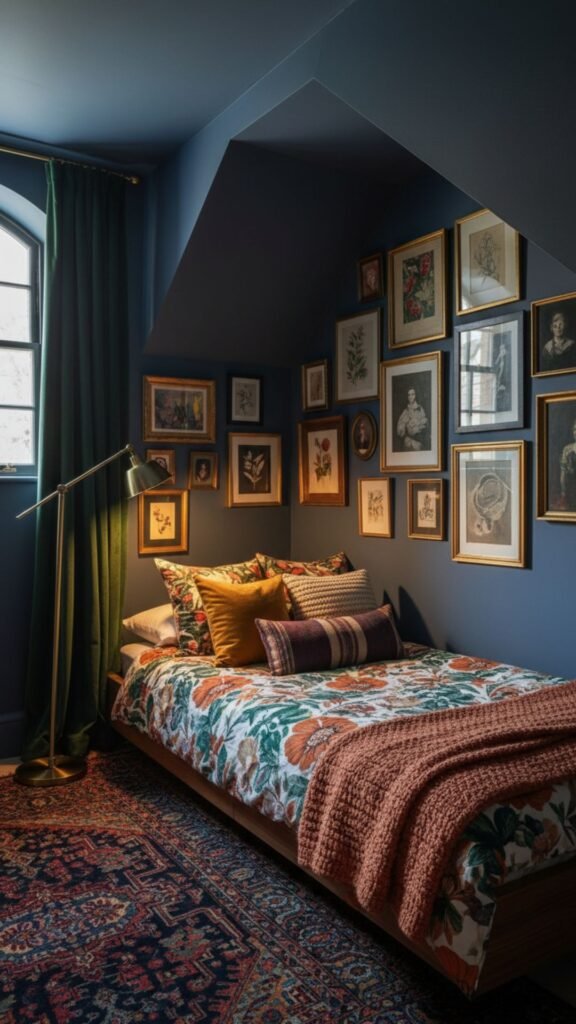
For those who love bold pattern and visual interest, a maximalist approach can turn a small under-stair bedroom into a statement room. Cover the sloped walls with an eclectic gallery of prints and artwork, mix patterns in your bedding, and pile on the cushions. More is more.
How To Achieve This Look:
- Plan the gallery wall layout on the floor before hammering anything
- Mix frame sizes, styles, and finishes for an intentionally eclectic look
- Use a rich, deep paint color as the backdrop to make the art pop
Items To Buy
- Gallery Wall Frame Set
- Eclectic Art Prints Set
- Deep Color Wall Paint
- Patterned Duvet Cover Set
- Decorative Throw Cushions
- Picture Hanging Strips
- Mixed Pattern Rug
- Colorful Bedside Lamp
- Velvet Headboard
- Bold Wallpaper Accent Roll
10. Nature-Inspired Woodland Bedroom
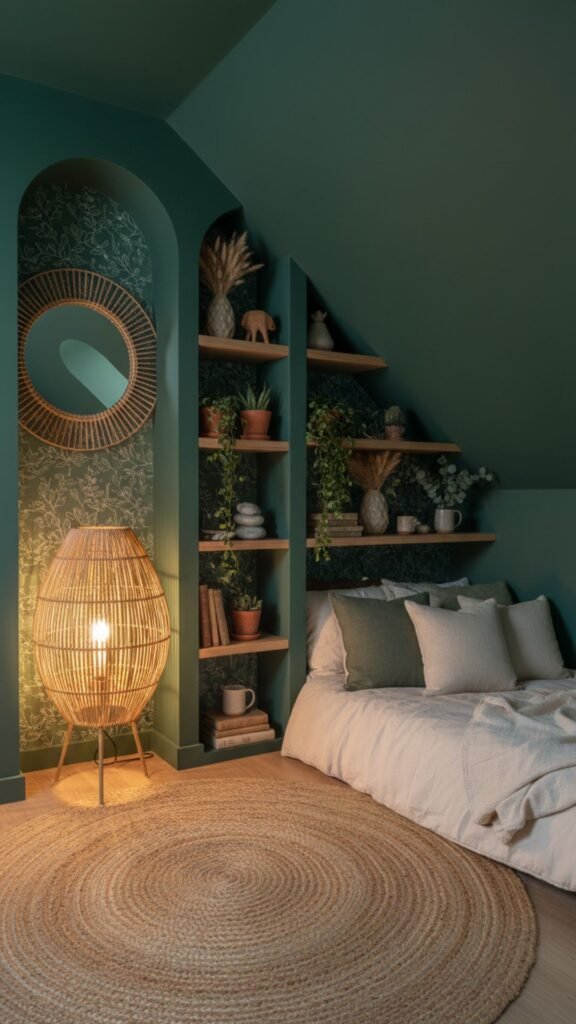
Bring the outdoors in with a nature-inspired bedroom that uses earthy tones, botanical prints, and natural materials. This style is particularly popular for children’s rooms but works just as well for adults who want a calming, organic retreat.
How To Achieve This Look:
- Use forest green, terracotta, and warm brown as your base palette
- Add botanical or woodland-themed wallpaper to the back wall
- Incorporate natural materials like jute, rattan, and linen throughout
Items To Buy
- Botanical Wallpaper
- Jute Area Rug
- Rattan Bedside Lamp
- Forest Green Duvet Cover
- Faux Potted Plants for Bedroom
- Woodland Animal Wall Decals
- Natural Wood Shelf
- Earthy Throw Pillows
- Nature-Inspired Night Light
- Terracotta Plant Pots
11. Smart Tech Bedroom with Integrated Lighting
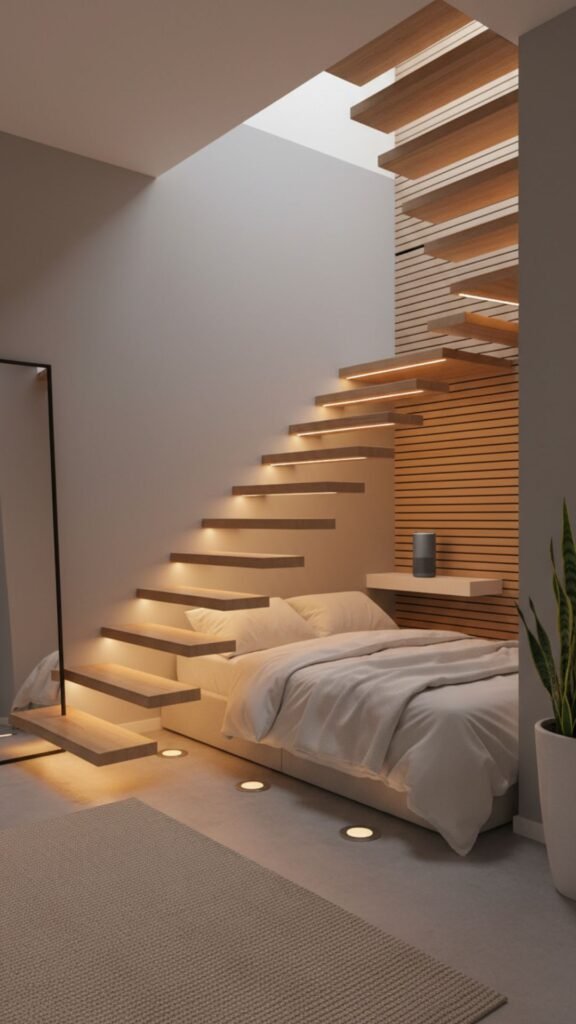
A smart bedroom uses technology to maximize comfort in a small space. Automated lighting, smart plugs, and voice-controlled devices make a compact under-stair room feel modern and effortlessly functional—no getting up to flip a switch in a low-ceilinged space.
How To Achieve This Look:
- Install dimmable smart bulbs that adjust color temperature from warm to cool
- Use a smart home hub to control lighting, fans, and music from your phone or voice
- Add motion sensor night lights along the floor for safe navigation in the dark
Items To Buy
- Smart LED Bulbs
- Smart Home Hub
- Motion Sensor Night Light
- Smart Plug
- Voice-Controlled Smart Speaker
- Smart Dimmer Switch
- USB Charging Bedside Station
- Wireless Smart Alarm Clock
- Cable Management Box
- LED Under-Bed Lights
Make the Most of Every Inch
An under-stair bedroom doesn’t have to be an afterthought. With the right design, it can become the most personality-filled room in your home. The key is to work with the architecture rather than against it—embrace the sloped ceilings, use built-in furniture to maximize storage, and choose a style that reflects how you want to feel in the space.
Start with one idea from this list, pick up the items you need, and see how a forgotten corner becomes a room worth showing off.
Frequently Asked Questions (FAQs)
1. Can you legally use an under-stair space as a bedroom?
Building codes vary by location, but most require a bedroom to have a minimum ceiling height, adequate ventilation, and a window or emergency egress. Check your local regulations before converting the space into a permanent sleeping room.
2. What is the minimum ceiling height for a bedroom under the stairs?
Most building codes in the United States require at least 7 feet of ceiling height over at least 50% of the floor area for a room to qualify as a habitable bedroom. The sloped section can drop lower as long as the majority of the usable space meets the minimum.
3. How do I maximize storage in a small under-stair bedroom?
Built-in drawers under the bed platform, wall-mounted shelving, and hooks on the back of any doors are your best friends. Furniture with dual purposes—like a storage ottoman or a bed with built-in drawers—also helps you use every available inch.
4. What lighting works best in a low-ceiling bedroom?
Wall-mounted sconces and recessed ceiling lights are ideal because they don’t hang down into the space. LED strip lights along the base of the bed frame or beneath floating shelves also add ambient light without taking up headroom.
5. How do I make a small under-stair bedroom feel bigger?
Light colors on the walls and ceiling reflect more light and make the space feel larger. Mirrors add depth, and keeping the floor as clear as possible avoids visual clutter. Choosing furniture that fits the space precisely—rather than standard-sized pieces—also makes a significant difference.