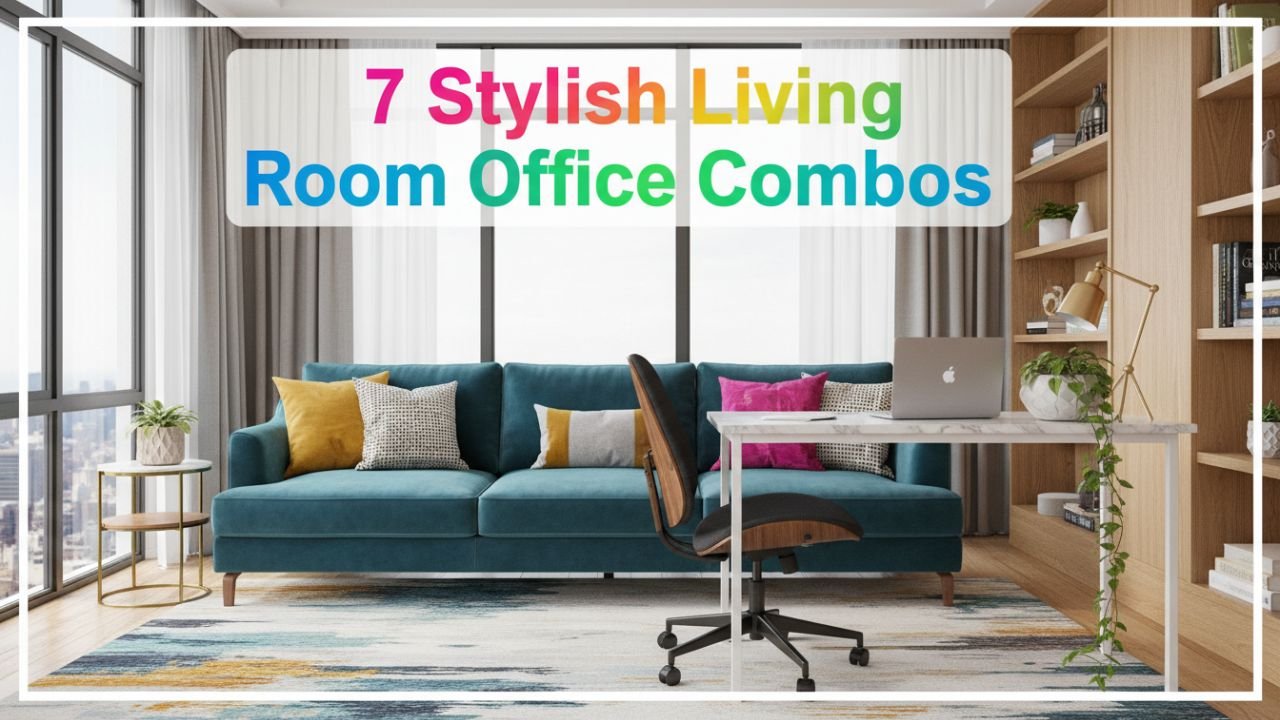
Finding room for a dedicated workspace in a cramped apartment can feel impossible. When your living area serves as a place to relax, entertain, and dine, adding a desk to the mix requires careful planning. You don’t need a sprawling floor plan to create a productive environment that looks great.
By cleverly combining your living room and office, you can maximize every square inch without sacrificing aesthetics. The right layout and furniture choices will help you maintain a clear boundary between work and leisure. Here are seven stylish ways to seamlessly integrate a desk into your small living room.
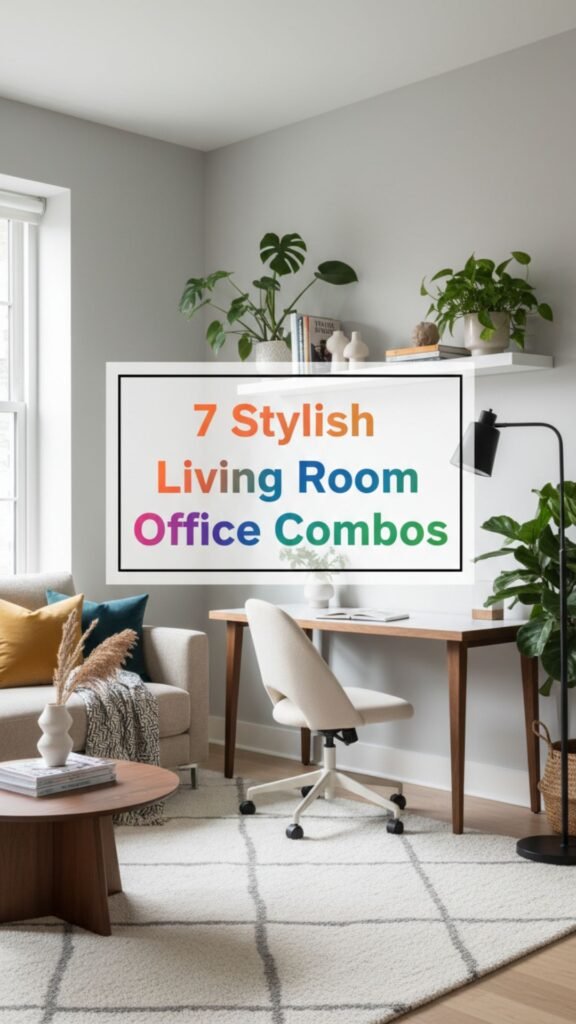
1. The Closet Conversion
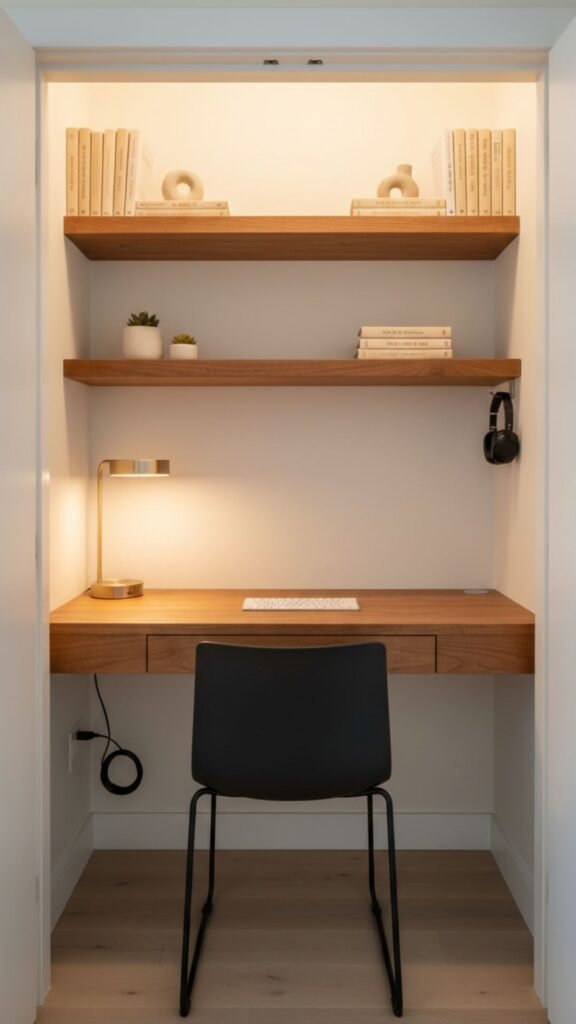
Transforming a small closet into a workspace is a brilliant way to save floor space. By removing the doors or keeping them open during work hours, you create a dedicated niche that disappears when you clock out. This setup keeps clutter out of sight and maintains the living room’s relaxing vibe.
Steps To Achieve The Look:
- Remove the closet doors or replace them with space-saving bi-fold doors.
- Install a custom-cut piece of wood as a floating desk surface.
- Add floating shelves above the desk for books and office supplies.
- Bring in a slim, comfortable chair that tucks entirely under the desk.
2. The Sofa-Backed Desk
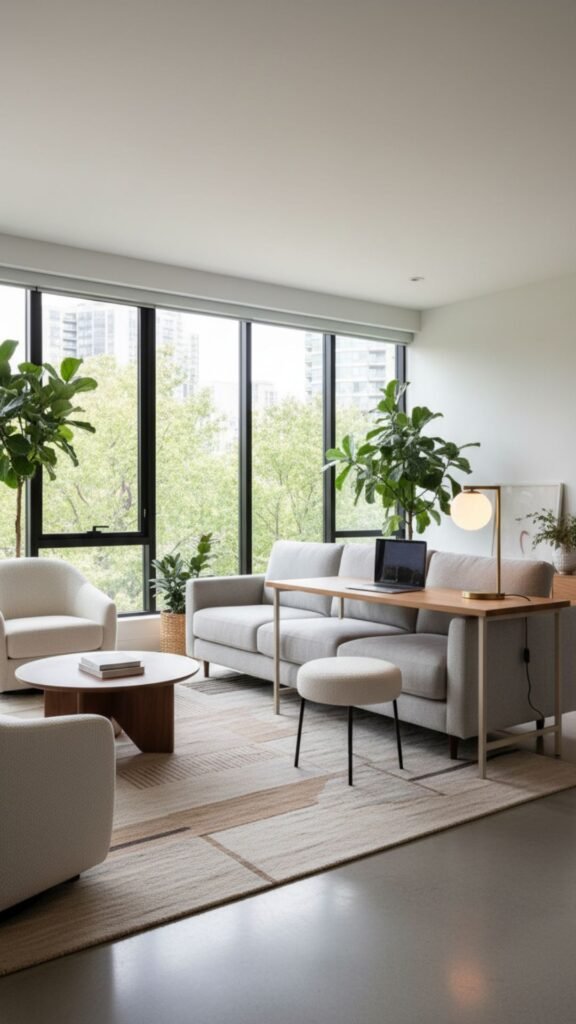
Placing a desk directly behind your freestanding sofa is an excellent way to utilize dead space in the middle of a room. This layout allows you to face the same direction as the seating area, keeping the room’s flow open and connected. It serves as a natural transition zone between different functional areas.
Steps To Achieve The Look:
- Choose a narrow console table or a slim desk that matches the height of your sofa’s backrest.
- Ensure the desk style complements your living room furniture.
- Use a low-profile chair or a stylish stool that doesn’t disrupt the visual line of the room.
- Keep the desktop minimal with a laptop, a small plant, and a stylish table lamp.
3. The Floating Wall Desk
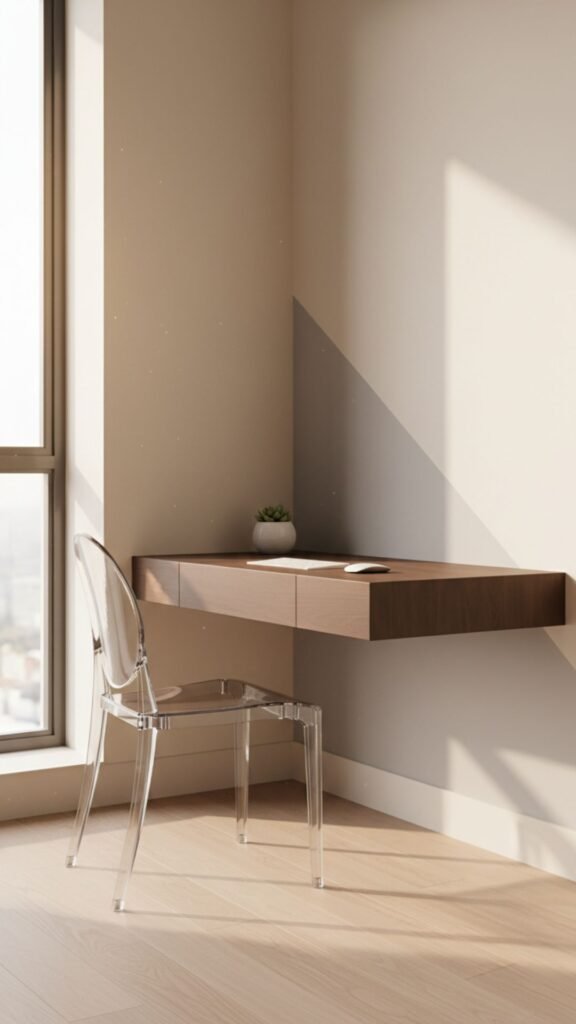
A wall-mounted floating desk provides a functional surface without taking up any precious floor space. This minimalist approach visually expands the room because the area underneath remains open. It is perfect for tight corners or narrow stretches of wall.
Steps To Achieve The Look:
- Select a sturdy, wall-mounted desk unit that matches your wall color or wood tones.
- Mount it at the ergonomic height of a standard desk.
- Hide cables using wall-mounted cord covers painted to match the wall.
- Pair it with an acrylic or wire-frame chair to maintain an airy feel.
4. The Corner Nook
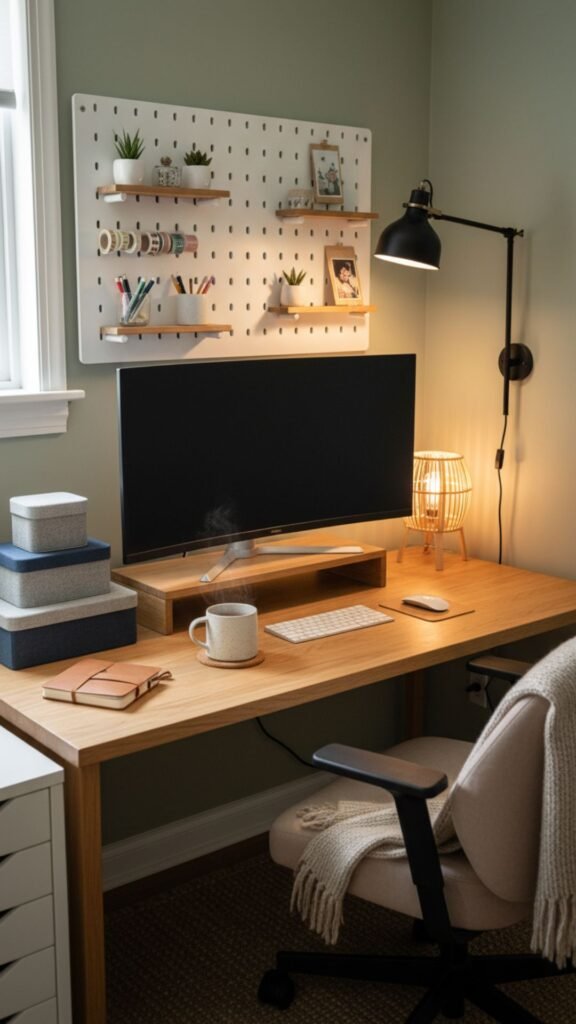
Corners are often underutilized in small living rooms. Tucking an L-shaped or triangular desk into a corner creates a cozy, focused work zone that stays out of the main traffic flow. This layout naturally hugs the perimeter of the room, leaving the center open.
Steps To Achieve The Look:
- Measure your corner precisely and find a compact corner desk.
- Utilize the wall space above by hanging a pegboard or corner shelving.
- Add a plug-in wall sconce to provide task lighting without using desk space.
- Keep office accessories stored in decorative boxes to maintain a tidy look.
5. The Bookshelf Integration
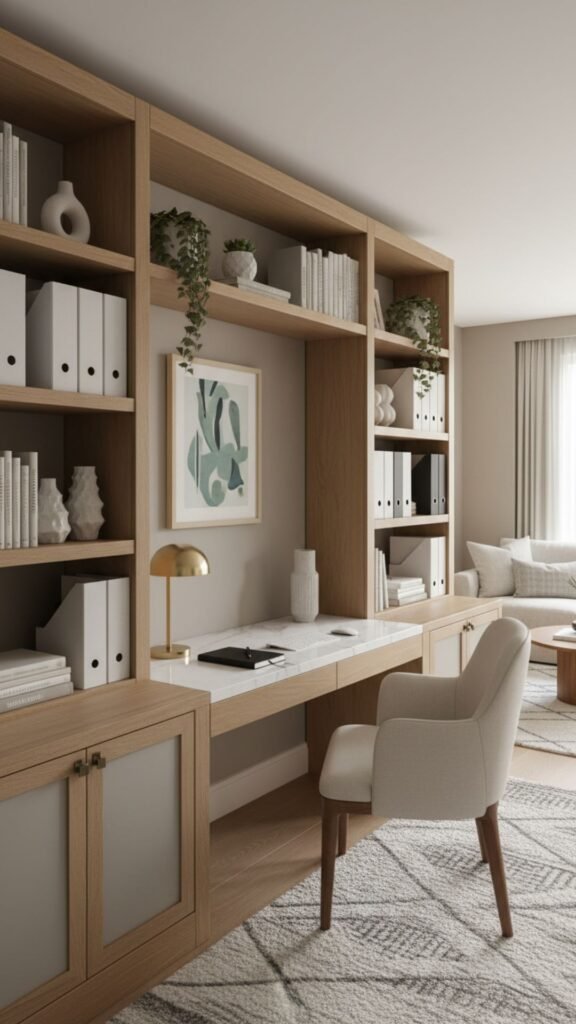
Blending your desk into a wall of shelving creates a built-in look that feels highly intentional. Your workspace becomes just another element of your living room’s display and storage system. This method offers plenty of vertical storage for both office supplies and decorative items.
Steps To Achieve The Look:
- Use a modular shelving system that includes a wider, deeper desk attachment.
- Mix your work binders and files with decorative objects, books, and plants.
- Stick to a cohesive color palette for your storage bins and magazine files.
- Ensure the desk section has a clear, uncluttered surface for your computer.
6. The Dual-Purpose Dining Table
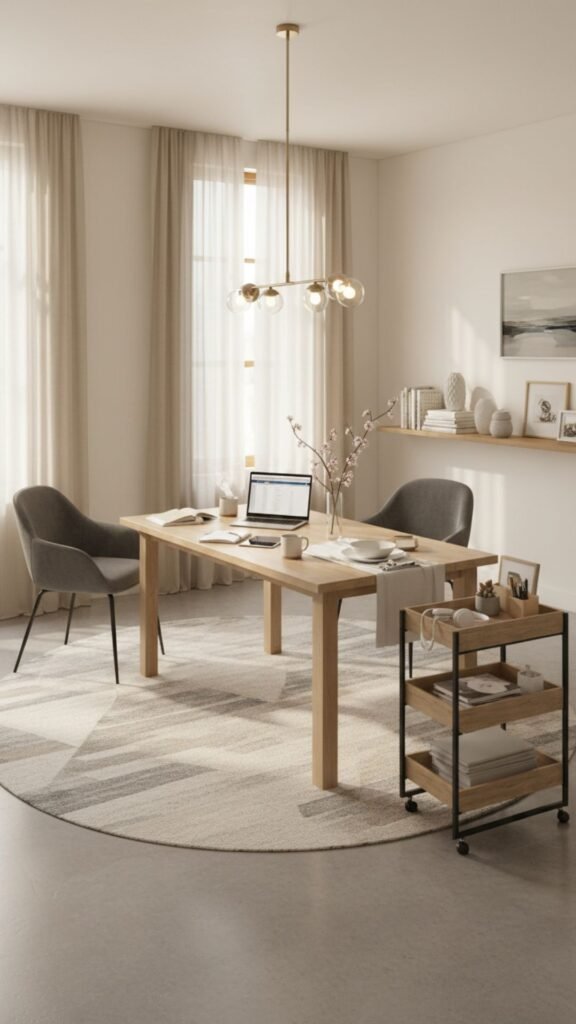
When space is exceptionally tight, your dining table might need to double as your desk. The key to making this stylish and functional is how you manage the transition between working and eating. A clean, beautiful table serves as a spacious desk during the day and an entertainment hub at night.
Steps To Achieve The Look:
- Invest in a sturdy, stylish dining table that offers plenty of legroom.
- Use a mobile storage cart nearby to hold your laptop and work supplies after hours.
- Choose comfortable dining chairs that provide enough support for a workday.
- Clear away all work materials completely before setting the table for dinner.
7. The Room Divider Setup
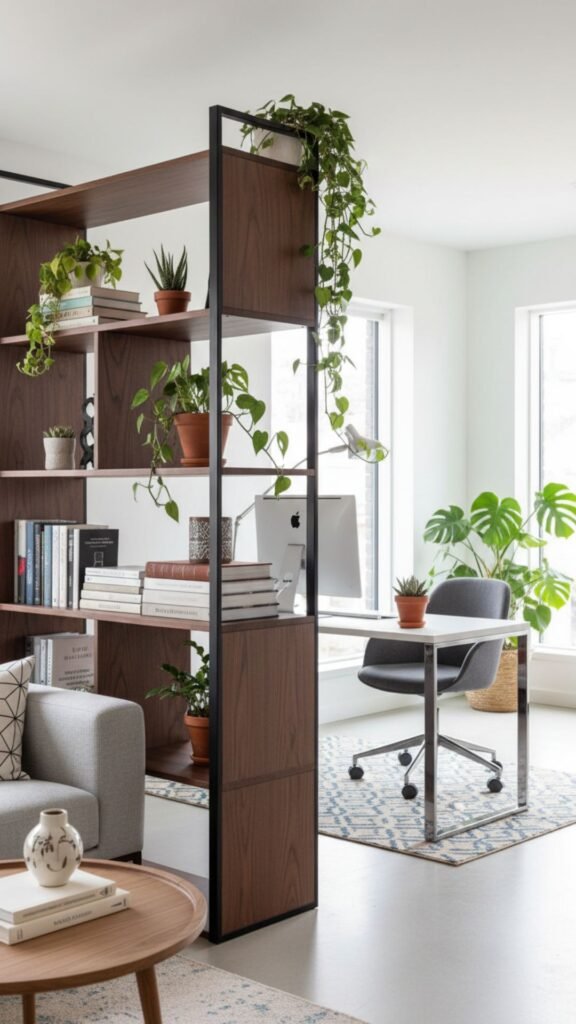
Using a physical barrier to separate your living area from your office creates a strong psychological boundary. An open bookcase or an elegant folding screen can carve out a distinct office “room” within a larger open-plan space. This approach adds privacy while allowing light to filter through.
Steps To Achieve The Look:
- Place an open-backed shelving unit perpendicular to a wall to act as a divider.
- Position your desk behind the divider, facing a wall or window.
- Decorate the divider with plants and books to make it attractive from both sides.
- Lay down a small area rug under the desk to further define the workspace.
Make Your Dual-Purpose Space Work for You
Creating a stylish living room office combo requires intention and a bit of creativity. By selecting the right furniture and layout, you can enjoy a highly productive workspace that doesn’t compromise the comfort of your home. Assess your available space, choose the layout that fits your workflow, and start designing your ideal work-from-home setup.
Frequently Asked Questions (FAQs)
- How do I hide my computer equipment in the living room?
Use furniture with built-in cable management and closed storage compartments. Baskets, decorative boxes, and rolling file cabinets can easily conceal laptops, chargers, and paperwork when you are finished working for the day. - What type of chair is best for a living room office?
Look for an office chair that blends with your living room decor rather than a traditional corporate mesh chair. Velvet accent chairs, upholstered dining chairs, or ergonomic stools often provide decent support while looking stylish. - How can I separate my workspace visually without building walls?
Use area rugs to define the office zone, or paint the wall behind your desk a contrasting accent color. Strategic furniture placement, like a sofa back or an open bookshelf, also acts as an excellent visual separator. - Is it bad to work in the same room where I relax?
It can blur work-life boundaries if you aren’t careful. The best way to manage this is to completely clear your desk or hide your work equipment at the end of the day, signaling to your brain that it is time to relax. - How do I manage lighting for a desk in the living room?
Layer your lighting by combining the room’s ambient light with a dedicated task light on your desk. Wall-mounted sconces, slim LED desk lamps, or clamp lights provide excellent illumination without taking up too much surface area.