Your living room sets the tone for your entire home. It’s where you unwind after a long day, host your favorite people, and express who you are through every furniture choice and color palette. But finding a style that truly feels like you? That’s where most people get stuck.
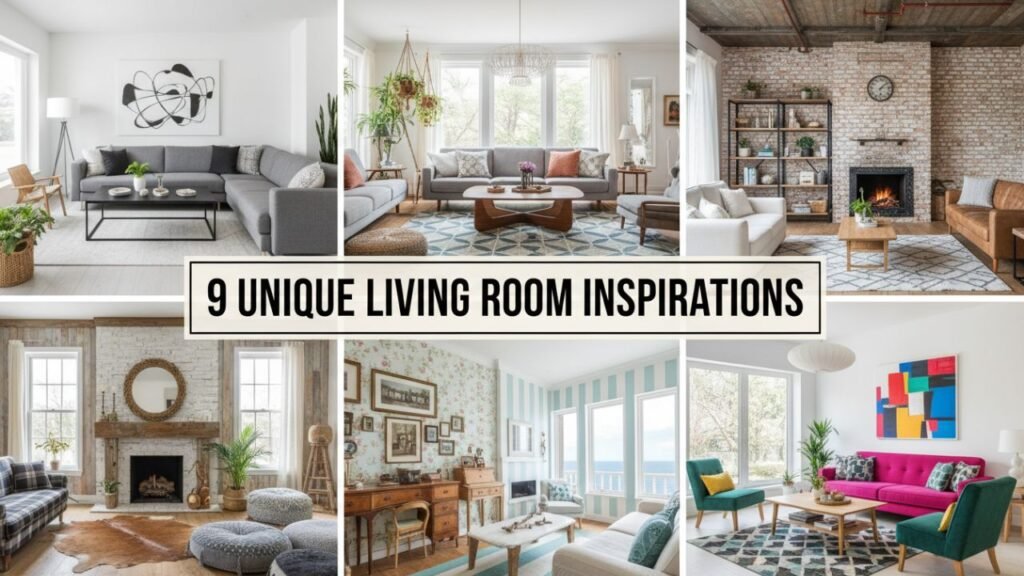
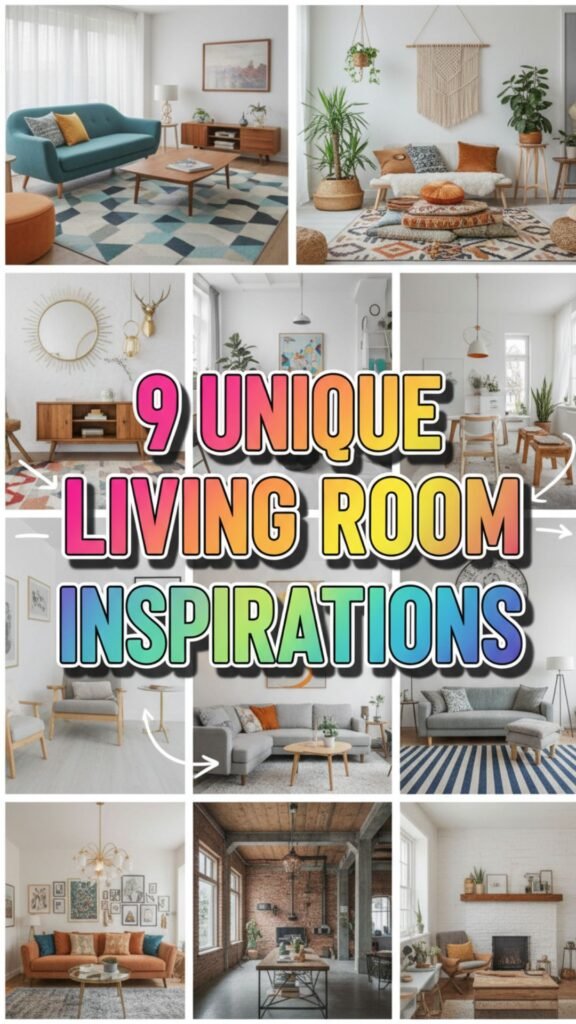
Whether you gravitate toward clean, minimalist lines or rich, layered textures, there’s a living room aesthetic out there waiting to be brought to life. Here are nine fresh inspirations to spark your next redesign.
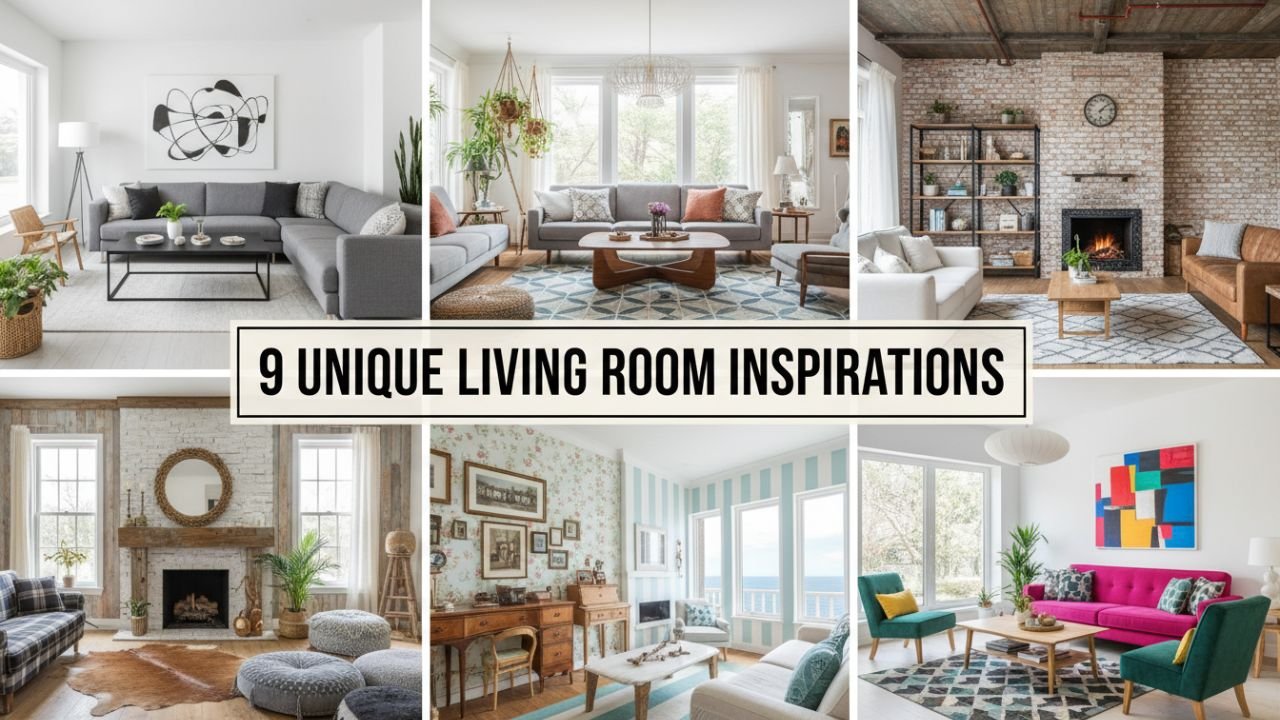
1. Japandi Minimalism
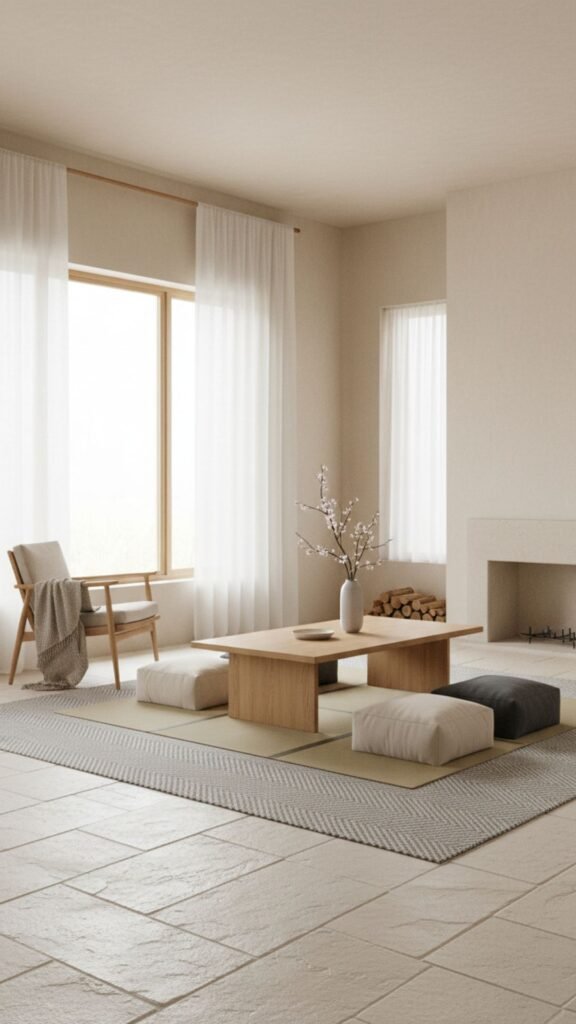
Japandi blends Japanese simplicity with Scandinavian warmth, creating a serene space that feels both clean and cozy. Natural materials, muted tones, and clutter-free surfaces define this style.
Steps To Achieve The Look:
- Choose a neutral palette: warm whites, soft grays, and earthy beiges
- Incorporate natural wood furniture with low, sleek profiles
- Add woven baskets, linen throws, and indoor plants for warmth
- Eliminate visual clutter—keep only what serves a purpose
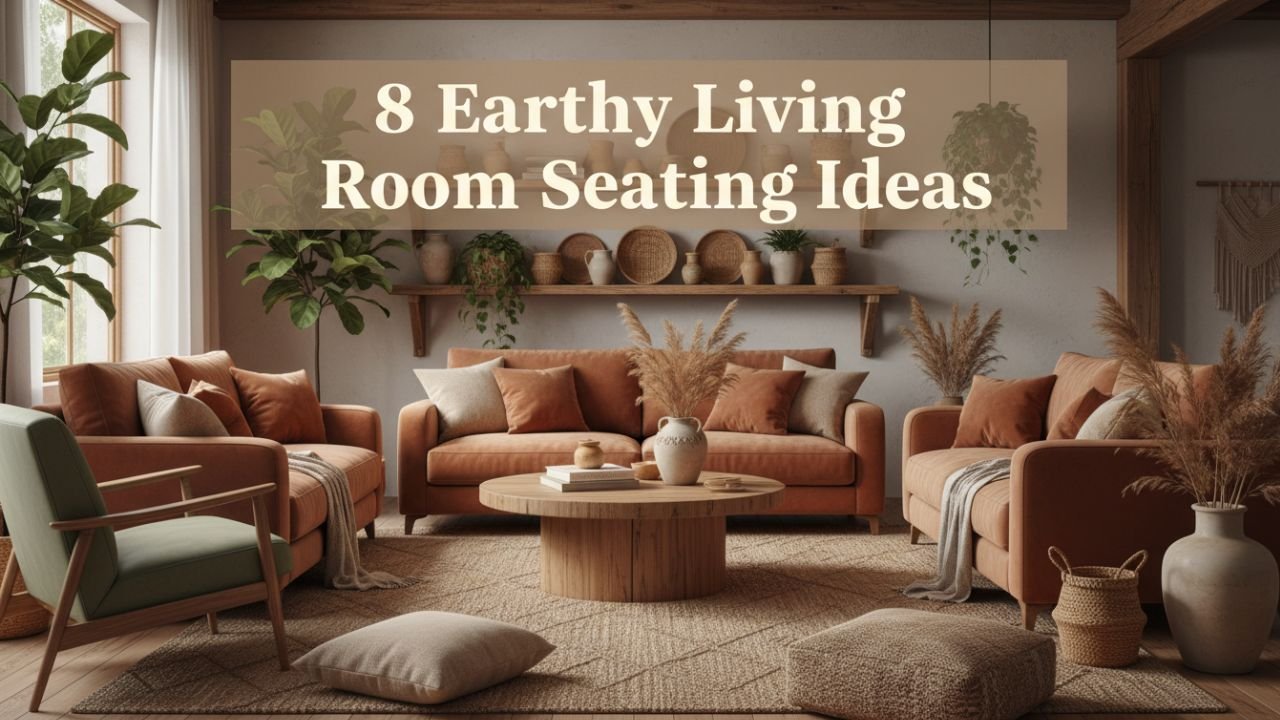
2. Earthy Bohemian
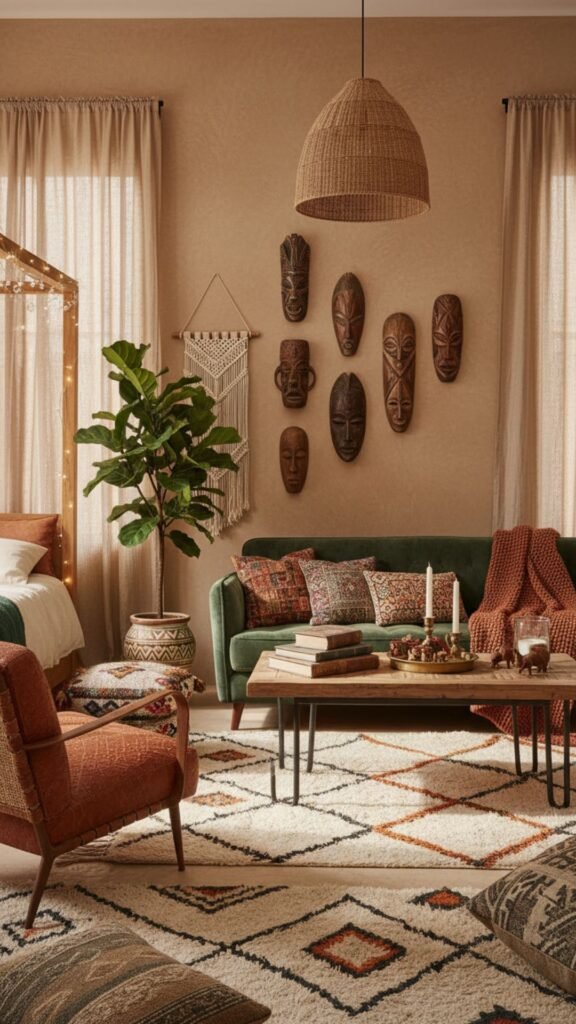
Rich terracotta, warm rust, and deep greens come together in this free-spirited, layered aesthetic. It feels well-traveled and deeply personal.
Steps To Achieve The Look:
- Layer rugs with complementary patterns and textures
- Mix furniture styles—rattan, vintage wood, and upholstered pieces work beautifully together
- Display eclectic artwork, macramé, and globally sourced décor
- Use soft, ambient lighting with lanterns or Edison bulb fixtures
3. Modern Industrial
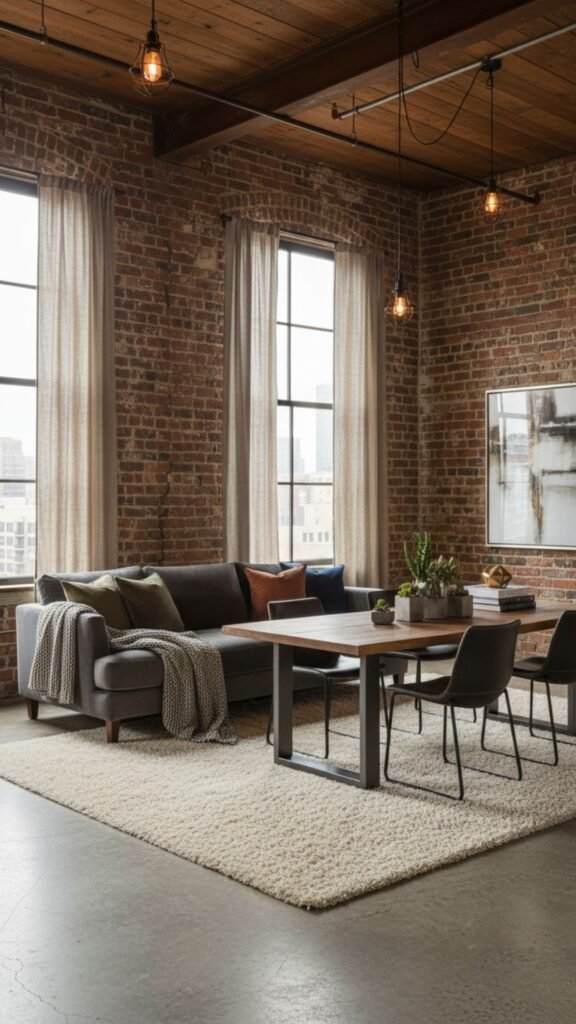
Raw, unfinished, and effortlessly cool. This style embraces exposed brick, metal accents, and concrete surfaces for a bold urban feel.
Steps To Achieve The Look:
- Keep walls bare or expose brick where possible
- Choose furniture with metal frames and leather or canvas upholstery
- Add Edison bulb pendant lights for that signature warehouse glow
- Balance hardness with soft textiles like chunky knit blankets
4. Coastal Retreat
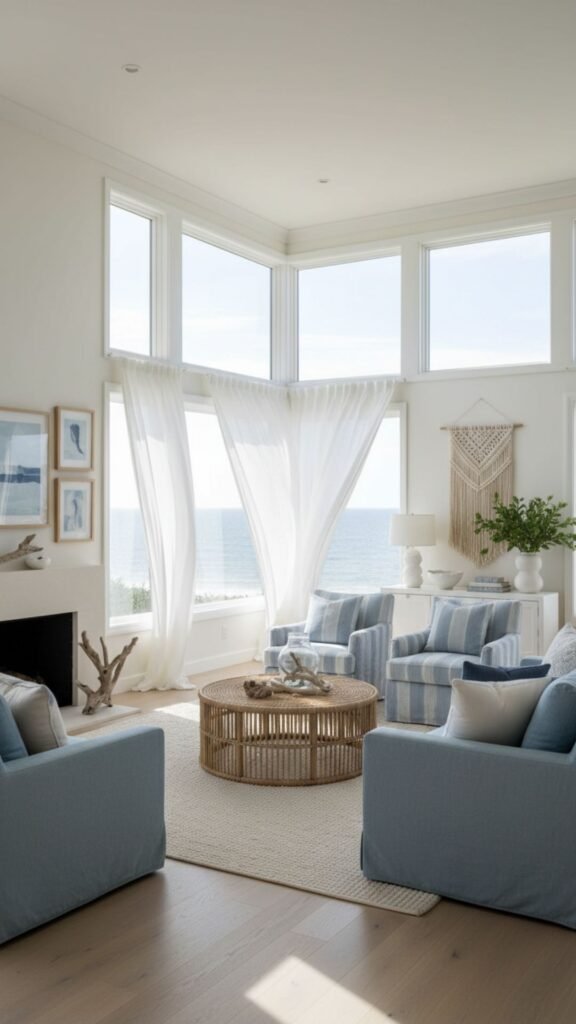
Think breezy, light-filled rooms that bring the outdoors in. This aesthetic draws from relaxed beach-house energy without going overboard on nautical clichés.
Steps To Achieve The Look:
- Stick to a palette of soft blues, sandy whites, and warm neutrals
- Use natural fiber rugs, linen curtains, and weathered wood accents
- Introduce subtle coastal elements: sea glass, driftwood, or woven textures
- Maximize natural light with sheer window treatments
5. Dark Moody Glam
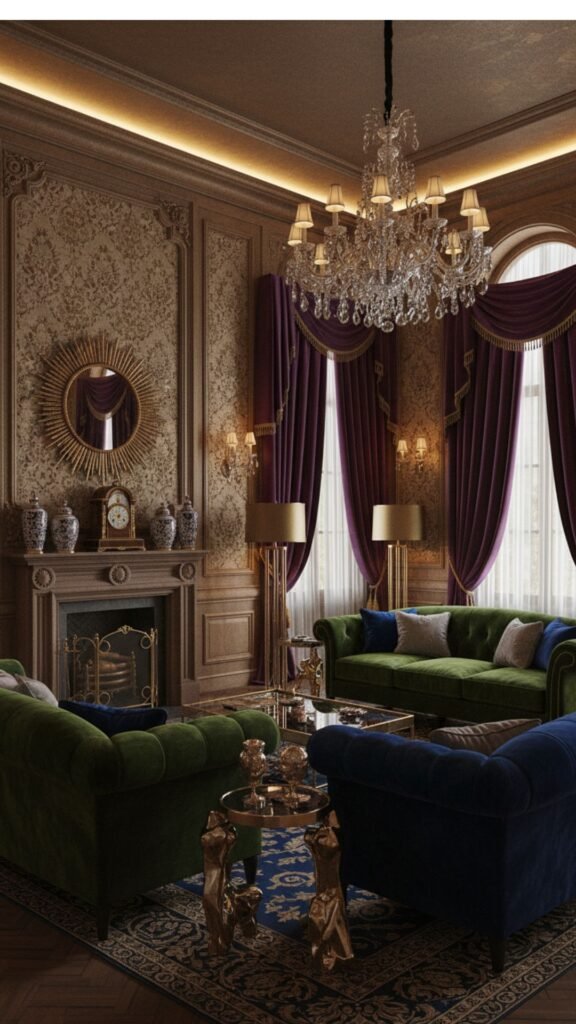
Deep, dramatic, and undeniably luxurious. This style leans into bold jewel tones, plush fabrics, and rich metallic finishes.
Steps To Achieve The Look:
- Paint walls in deep navy, forest green, or charcoal
- Choose velvet sofas or armchairs in emerald, burgundy, or sapphire
- Layer in gold or brass accents through lamps, frames, and hardware
- Use candlelight or warm-toned dimmable lighting to set the mood
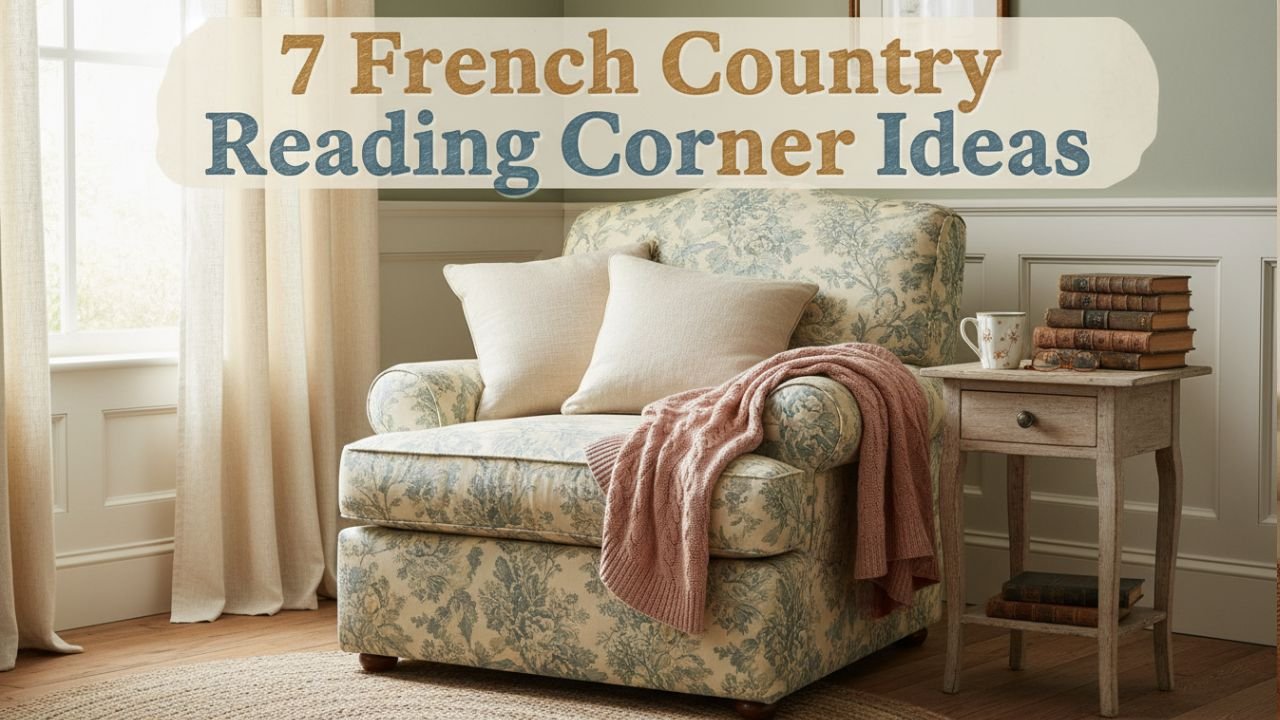
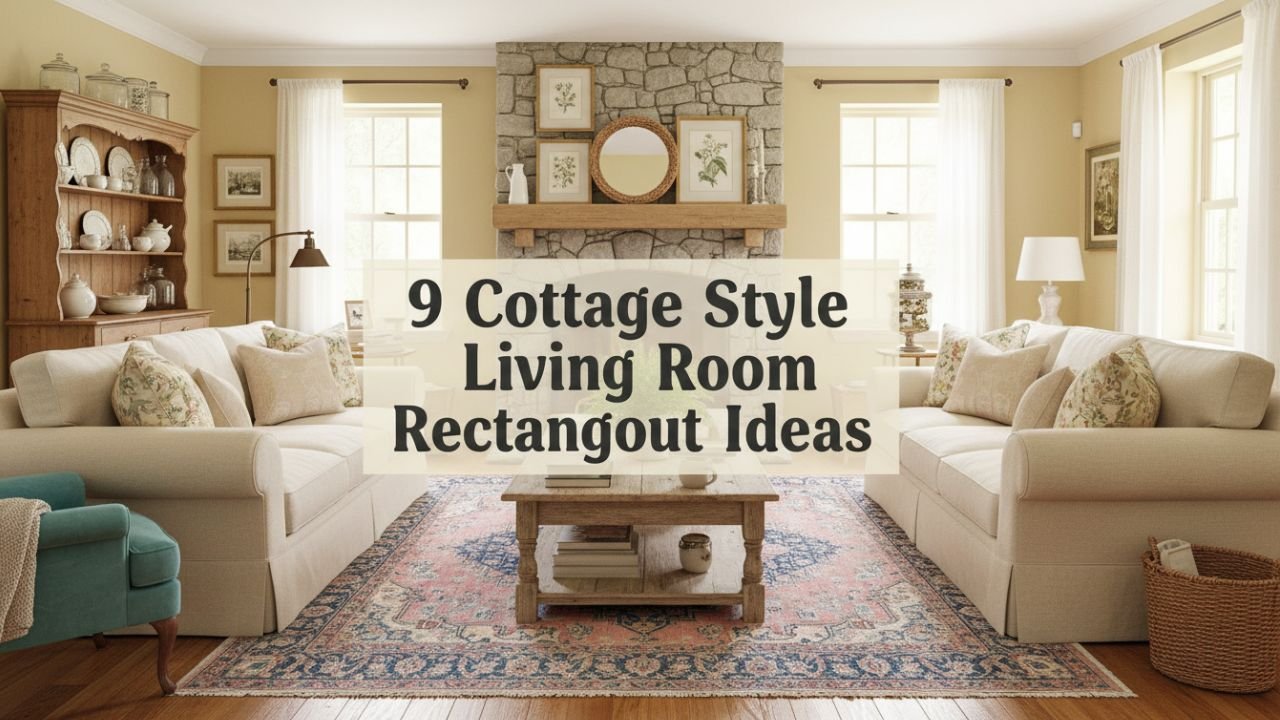
6. Cottagecore Comfort

Soft florals, mismatched vintage pieces, and handcrafted details make this style feel like a warm hug. It’s nostalgic, whimsical, and wonderfully unpretentious.
Steps To Achieve The Look:
- Source vintage or antique furniture—imperfections add character
- Layer floral and botanical prints through cushions, curtains, and rugs
- Display potted herbs, dried flowers, and ceramic vases
- Choose warm, soft lighting like table lamps with fabric shades
7. Scandinavian Hygge
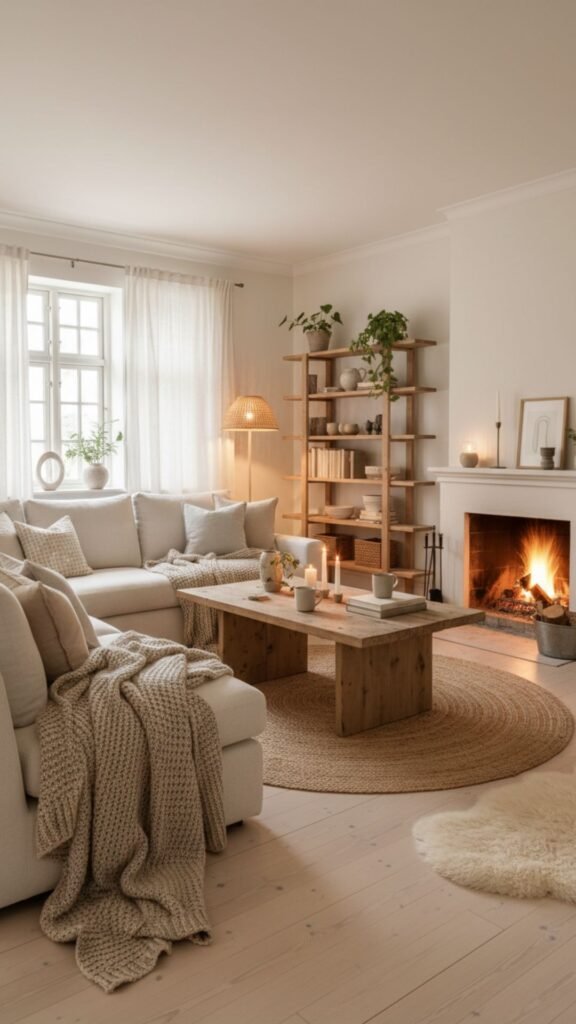
Hygge (pronounced hoo-gah) is the Danish concept of coziness and contentment. This style is warm, simple, and intentionally comfortable.
Steps To Achieve The Look:
- Use a soft white or light gray base with warm wood accents
- Layer blankets and cushions in natural fabrics like wool and cotton
- Light candles or add a fireplace for that quintessential hygge warmth
- Keep décor minimal but meaningful—photos, books, and sentimental objects
8. Mid-Century Modern
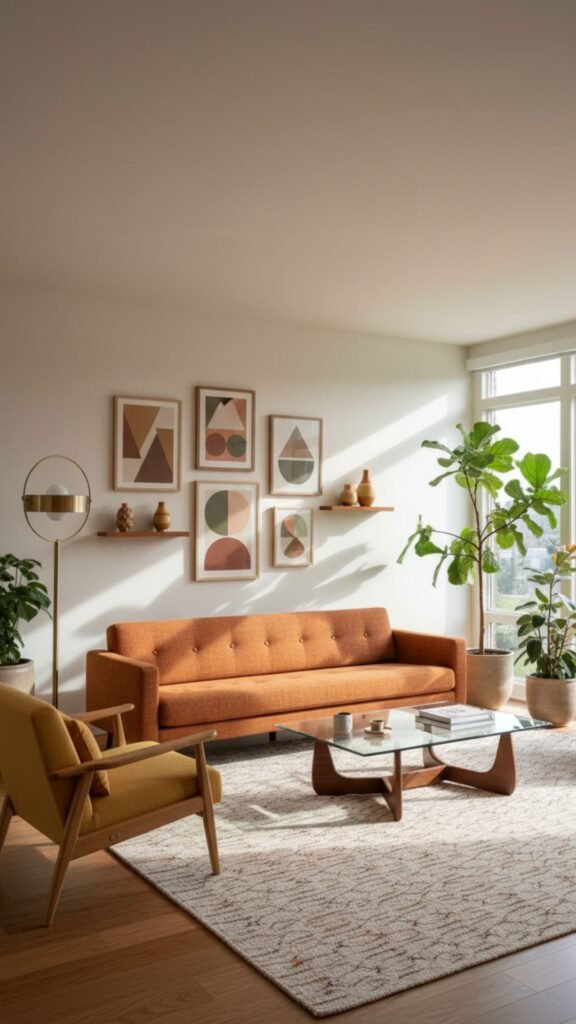
Clean lines, organic shapes, and a retro color palette make this timeless style endlessly stylish. It never really goes out of fashion.
Steps To Achieve The Look:
- Choose furniture with tapered legs and geometric forms
- Incorporate warm tones—mustard yellow, olive green, burnt orange
- Use statement lighting like arc floor lamps or sputnik chandeliers
- Add abstract or geometric artwork to tie the palette together
9. Maximalist Eclectic
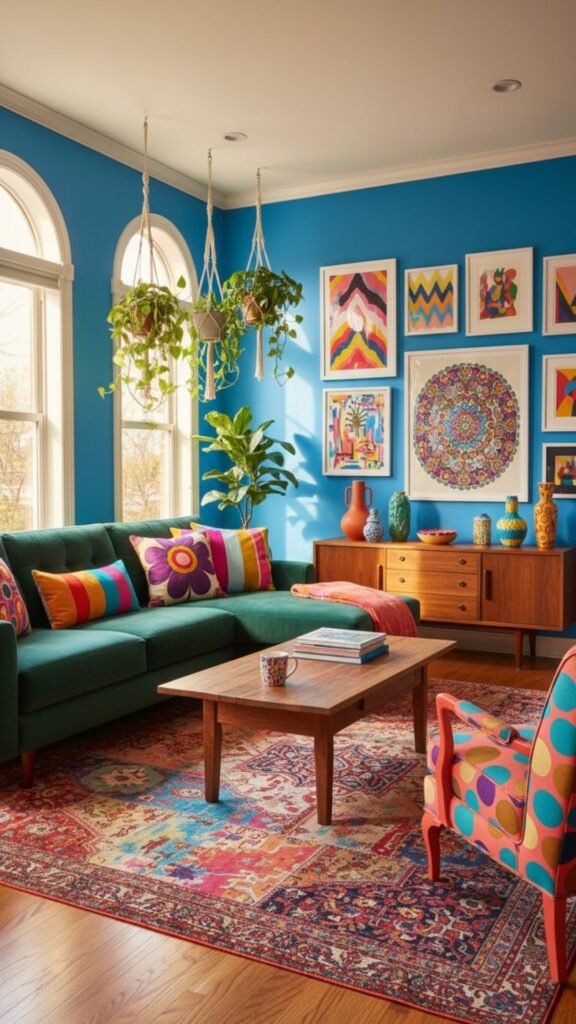
More is more. This style celebrates bold color, pattern mixing, and an abundance of personality across every surface.
Steps To Achieve The Look:
- Choose a unifying color theme to prevent visual chaos
- Mix patterns freely—stripes, florals, and geometrics can coexist
- Display collections, art, and statement objects with confidence
- Use varied lighting sources to create warmth and dimension
Let Your Living Room Tell Your Story
Your home should feel like a reflection of you—not a showroom, and not a Pinterest board copy. Use these inspirations as a starting point, mix elements across styles, and trust your instincts. The most beautiful living rooms are the ones that feel genuinely lived in.
Frequently Asked Questions (FAQs)
1. How do I choose the right living room style for my home?
Start by identifying what environments make you feel most at ease. Browse images, save the ones that consistently appeal to you, and look for patterns in color, texture, and furniture style. Your preferences will naturally point you toward a direction.
2. Can I mix multiple décor styles together?
Absolutely. Many of the best-designed spaces blend two or more styles. The key is finding a common thread—whether that’s a consistent color palette, a shared material, or a unified mood—to keep the look cohesive rather than chaotic.
3. How do I refresh my living room on a tight budget?
Focus on high-impact, low-cost changes: a new throw blanket, rearranged furniture, updated cushion covers, or a fresh coat of paint can dramatically transform a space without a major investment.
4. What’s the easiest living room style to achieve as a beginner?
Scandinavian Hygge and Japandi Minimalism are both beginner-friendly, as they rely on a restrained palette and simple furniture choices. Less is genuinely more with both styles, which makes them forgiving and approachable.
5. How do I make a small living room feel larger?
Light colors, mirrors, and multi-functional furniture are your best tools. Keep floors as clear as possible, use vertical space for storage, and opt for furniture with exposed legs to create a sense of openness.