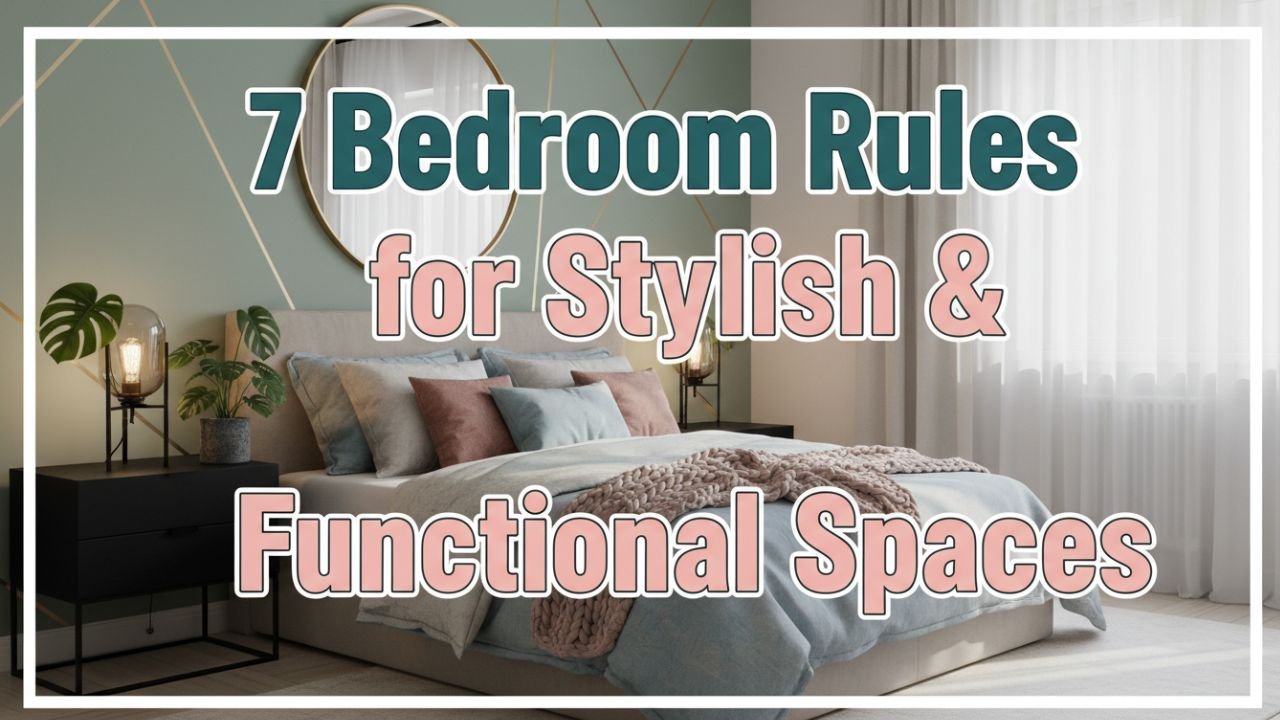
Your bedroom should be the one room in your home that works perfectly for you. Yet so many bedrooms end up cluttered, poorly lit, or just plain uninspiring. The good news? A few smart design rules can completely transform the way your space looks and feels.
Here are seven bedroom rules that balance style with function—no interior design degree required.
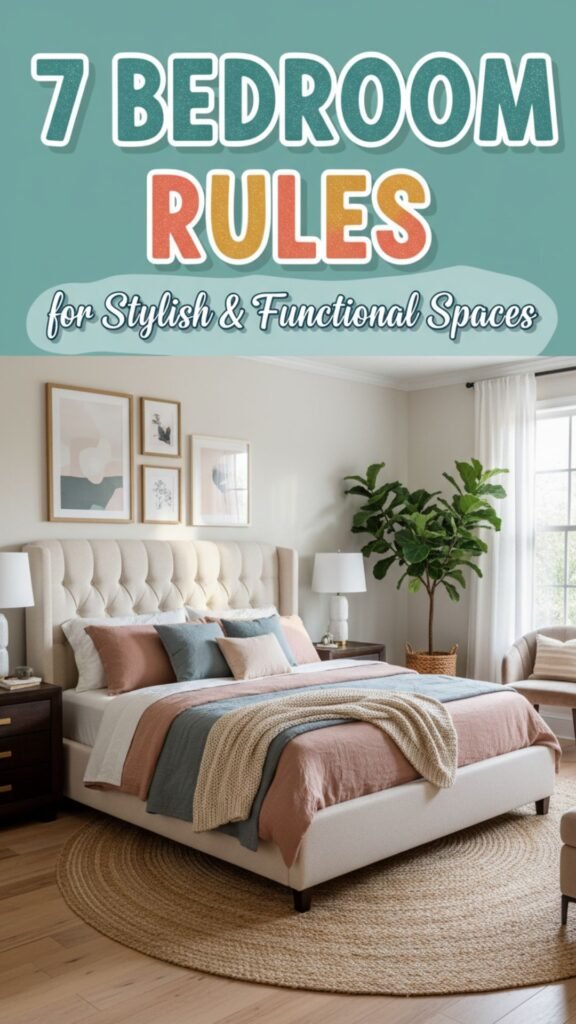
1. Choose a Cohesive Color Palette
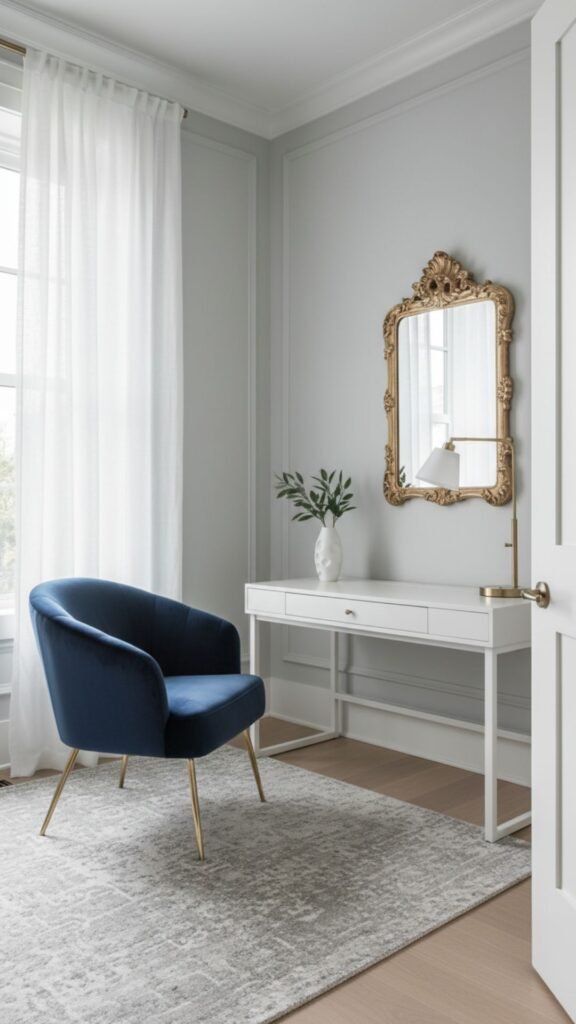
Color sets the tone for your entire bedroom. The wrong combination can make a space feel chaotic, while a well-chosen palette creates an instant sense of calm.
How to Achieve This Look:
- Start with one anchor color (walls or bedding) and build around it
- Stick to two or three complementary tones to avoid visual clutter
- Use lighter shades to open up smaller rooms and deeper tones for a cozy, intimate feel
Items to Buy
2. Invest in Quality Bedding
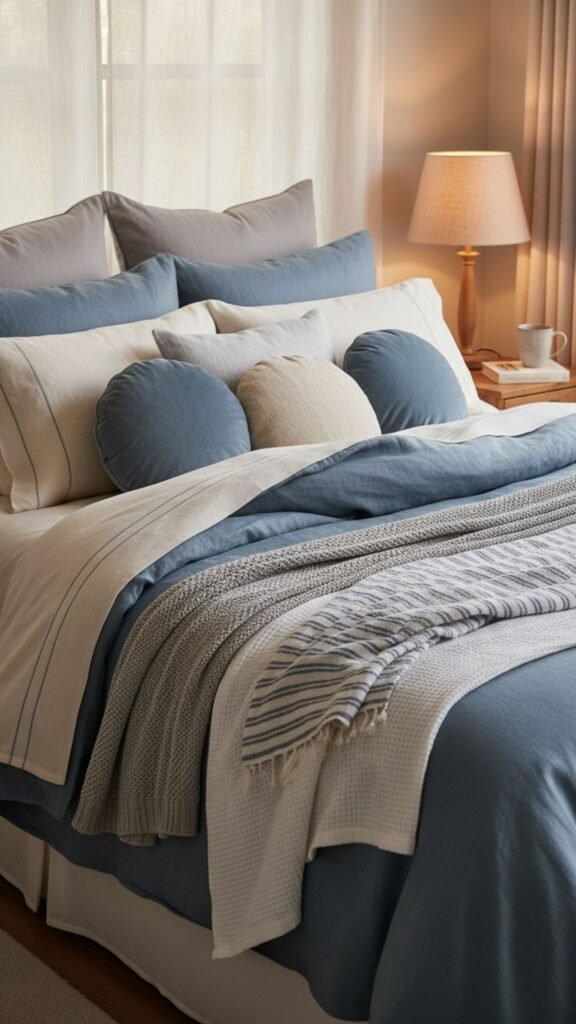
Your bed is the focal point of the room. It’s also where you spend a third of your life—so it’s worth getting right.
How to Achieve This Look:
- Layer textures using a duvet, throw blanket, and decorative pillows
- Choose breathable, high-quality fabrics like cotton or linen
- Keep the color scheme consistent with the rest of the room
Items to Buy
3. Layer Your Lighting
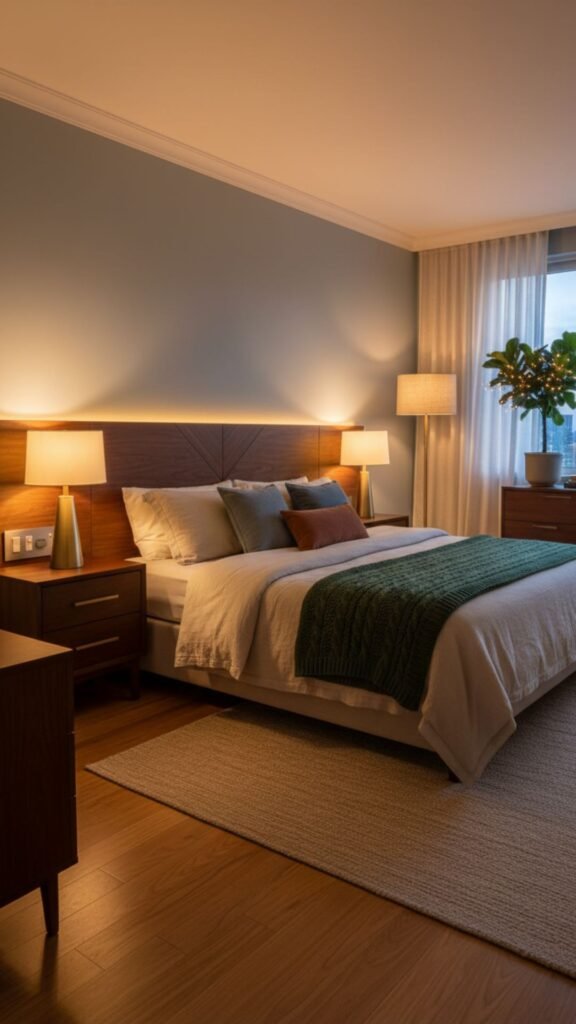
Nothing ages a bedroom faster than a single overhead light. Layered lighting adds depth, warmth, and flexibility to the space.
How to Achieve This Look:
- Combine ambient, task, and accent lighting for a balanced effect
- Use bedside lamps for reading and soft, warm-toned bulbs for relaxation
- Consider dimmer switches to adjust the mood at different times of day
Items to Buy
- Bedside table lamps
- Warm LED light bulbs
- Dimmer switch for bedroom
- LED strip lights for accent lighting
4. Maximize Storage Without Sacrificing Style
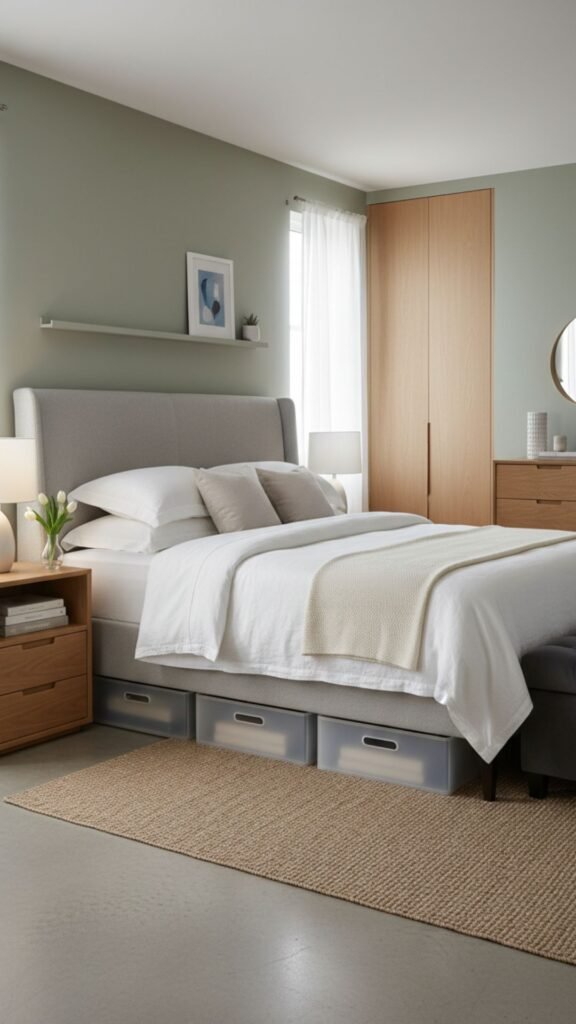
Clutter is the enemy of a relaxing bedroom. Smart storage solutions keep things tidy without making the room feel like a warehouse.
How to Achieve This Look:
- Use under-bed storage for seasonal items or extra bedding
- Choose furniture that doubles as storage, like ottomans or bed frames with drawers
- Display only what adds to the aesthetic—store the rest out of sight
Items to Buy
- Under-bed storage containers
- Storage ottoman for bedroom
- Bed frame with storage drawers
- Closet organizer system
5. Add a Rug to Define the Space
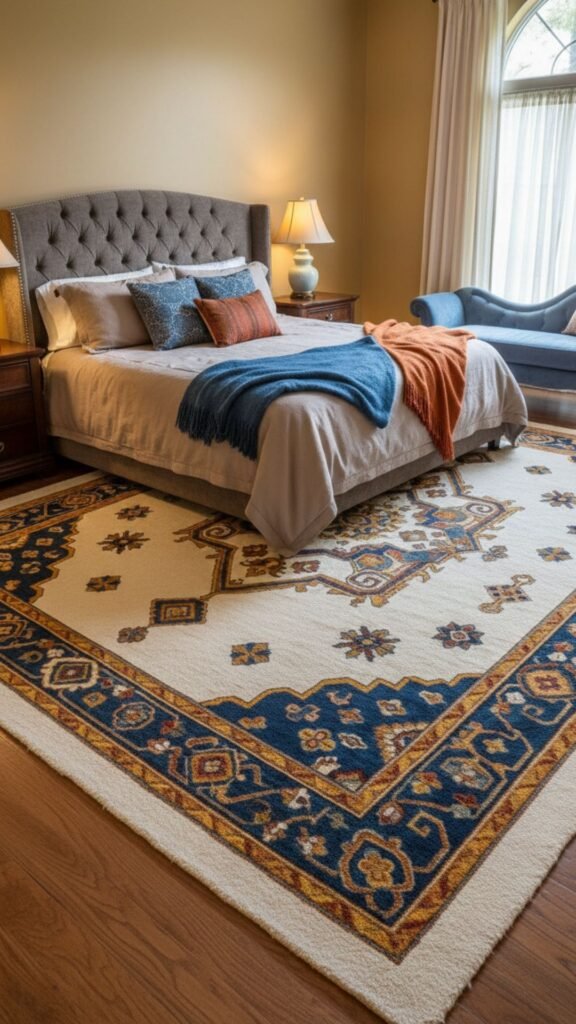
A rug grounds the room and adds warmth underfoot. It also ties together furniture pieces that might otherwise feel disconnected.
How to Achieve This Look:
- Choose a rug large enough to extend at least 18 inches beyond each side of the bed
- Opt for soft, plush textures in a bedroom setting for comfort
- Use the rug as an opportunity to introduce a pattern or accent color
Items to Buy
6. Incorporate Natural Elements
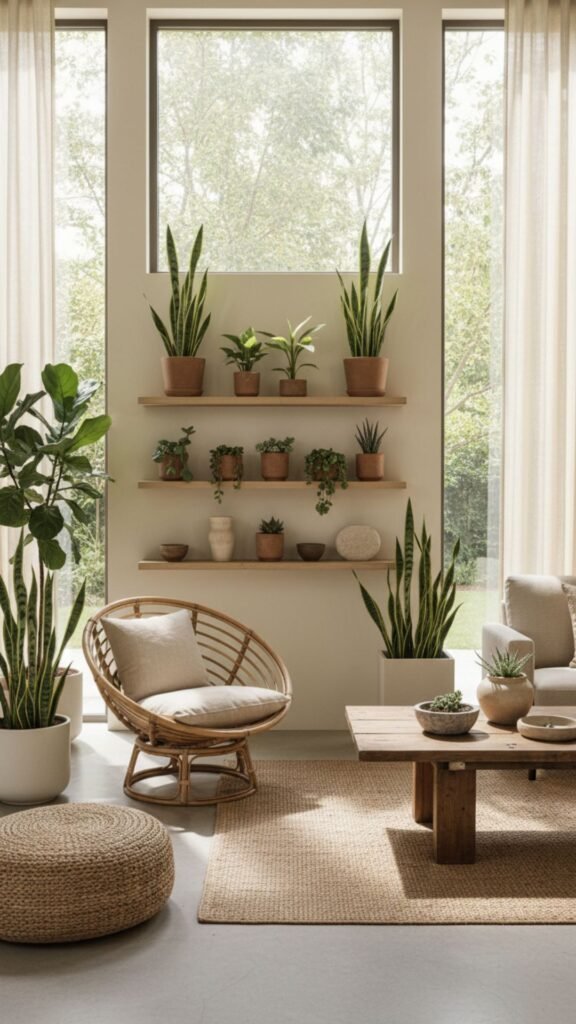
Bringing nature indoors makes a bedroom feel fresher and more serene. Even small touches can make a noticeable difference.
How to Achieve This Look:
- Add a low-maintenance houseplant to a windowsill or dresser
- Use natural materials like wood, rattan, or stone in furniture and decor
- Swap synthetic fabrics for organic cotton or linen where possible
Items to Buy
- Indoor bedroom plants
- Rattan bedside table
- Wooden decorative accents
- Organic cotton sheets
- Ceramic plant pots
7. Keep the Layout Intentional
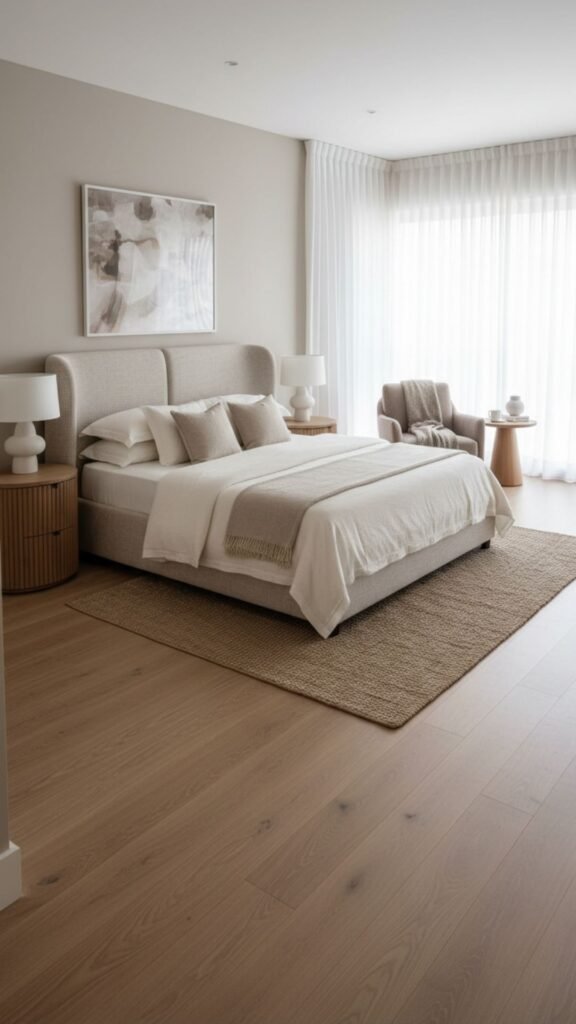
Furniture placement affects how the room feels every single day. A thoughtful layout makes the space easier to move around in and more visually balanced.
How to Achieve This Look:
- Place the bed as the visual anchor, ideally against the main wall opposite the door
- Leave clear pathways on at least two sides of the bed
- Avoid pushing all furniture against the walls—floating pieces slightly inward creates a more polished look
Items to Buy
- Matching bedside tables
- Bedroom bench for foot of bed
- Full-length mirror for bedroom
- Furniture felt pads for easy rearranging
Build the Bedroom You Actually Want
A stylish, functional bedroom doesn’t require a full renovation or a huge budget. Start with one or two of these rules, see how they transform the space, and build from there. Small, intentional changes consistently outperform big, impulsive overhauls.
Frequently Asked Questions (FAQs)
1. What is the most important rule for bedroom design?
Start with your color palette. Every other decision—bedding, lighting, furniture—flows from that foundational choice. A cohesive palette makes the room feel intentional rather than assembled piece by piece.
2. How do I make a small bedroom look bigger?
Use light, neutral colors on the walls and bedding. Mirrors help a lot too—especially a full-length mirror placed strategically to reflect natural light. Keeping the floor clear and opting for wall-mounted storage also opens up the space visually.
3. What size rug should I put in my bedroom?
A common mistake is buying a rug that’s too small. For most bedrooms, you want a rug that extends at least 18 to 24 inches beyond each side of the bed. If budget is tight, even a runner on each side of the bed is better than nothing.
4. How many pillows should be on a bed?
There’s no hard rule, but a good starting point is two sleeping pillows per person, plus two to four decorative pillows. The goal is a layered look that feels intentional—not a pile that takes ten minutes to clear off each night.
5. How can I improve my bedroom without repainting?
Swap out your bedding, add a new rug, and update your lighting. These three changes alone can make a bedroom feel entirely different without touching the walls. New curtains can also dramatically shift the mood of the space.