We often treat our bedrooms as afterthoughts, dumping grounds for laundry, or spaces filled with mismatched furniture that doesn’t quite fit. But the bedroom should be a sanctuary—a place where the visual noise of the day fades away.
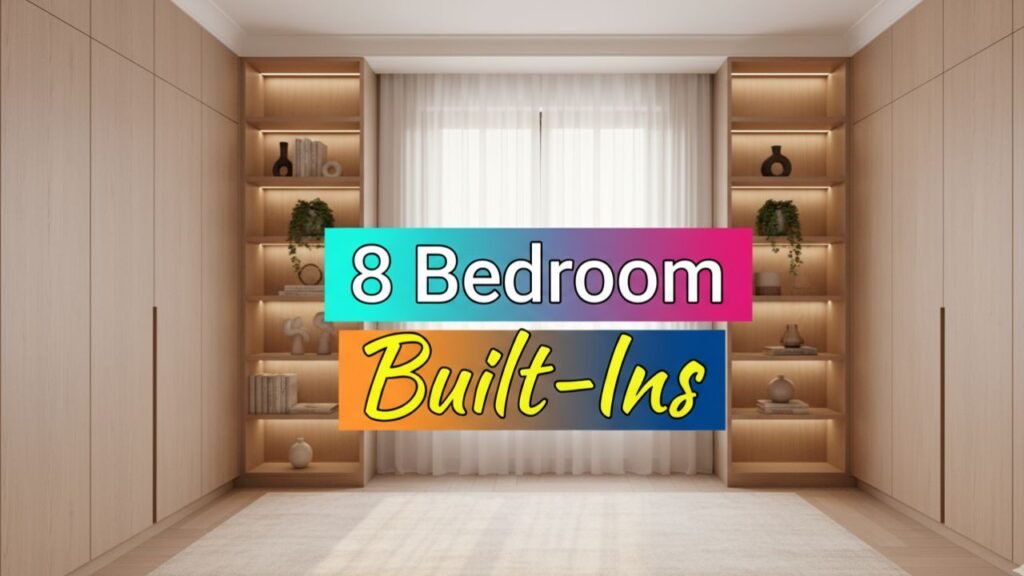
Nothing disrupts that peace like clutter. While freestanding dressers and wardrobes serve a purpose, they can often make a room feel smaller and more chaotic. The solution?
Built-ins. Custom joinery doesn’t just add storage; it adds architectural interest and significant value to your property. By blending seamlessly with the walls, these features make your room feel larger, more cohesive, and decidedly more luxurious.
Here are eight bedroom built-in ideas that combine function with high-end design.
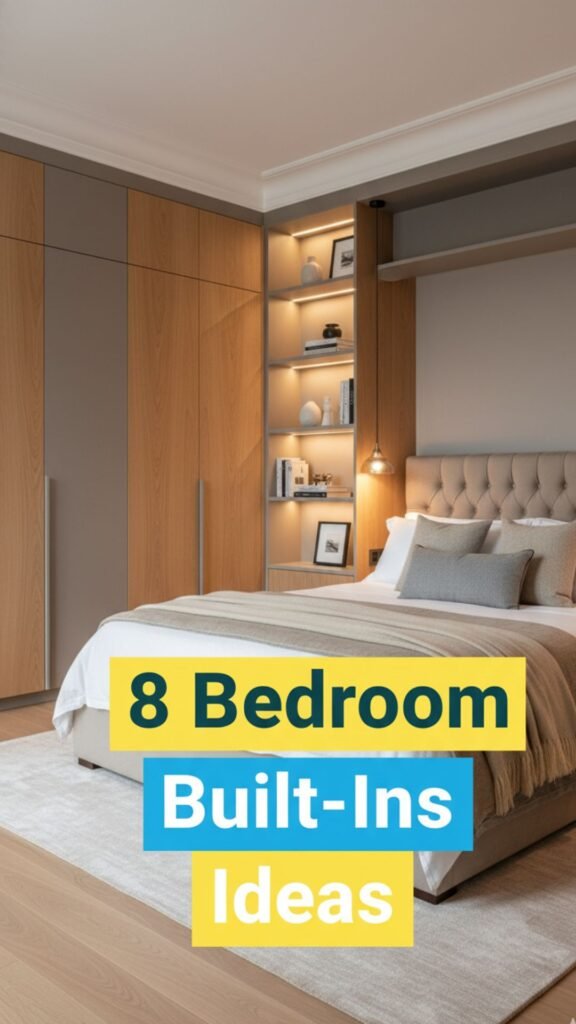
1. The Floor-to-Ceiling Wardrobe Wall
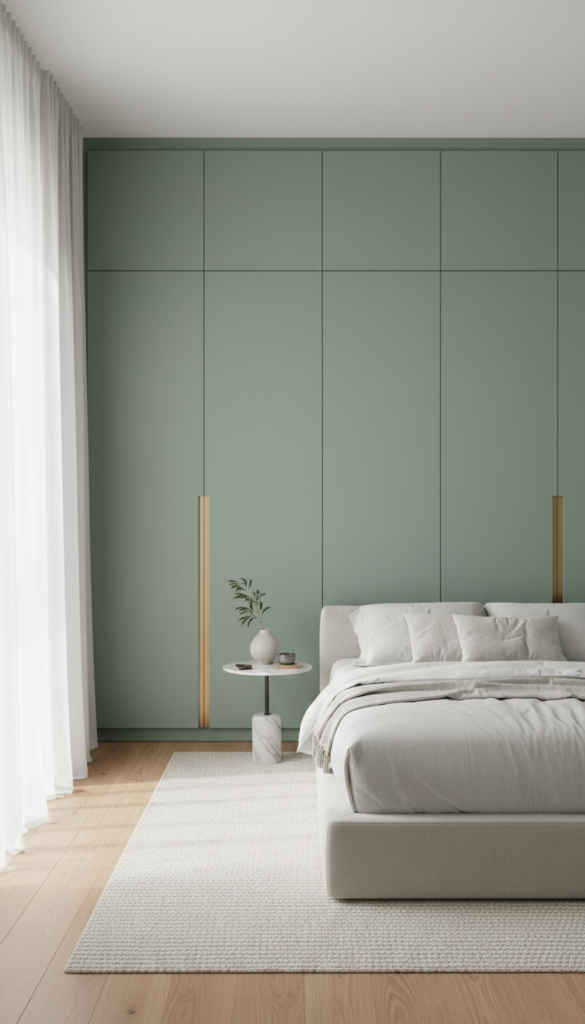
This is the gold standard of bedroom storage. By taking the cabinetry all the way to the ceiling, you eliminate that dusty, unusable gap found above standard wardrobes and maximize vertical space.
Steps To Achieve The Look:
- Measure the full height of the room and opt for custom millwork or hacked IKEA Pax units with custom doors.
- Paint the doors the same color as your walls to make the unit “disappear.”
- Choose minimal, sleek hardware or push-to-open latches for a seamless facade.
2. The Window Seat Nook
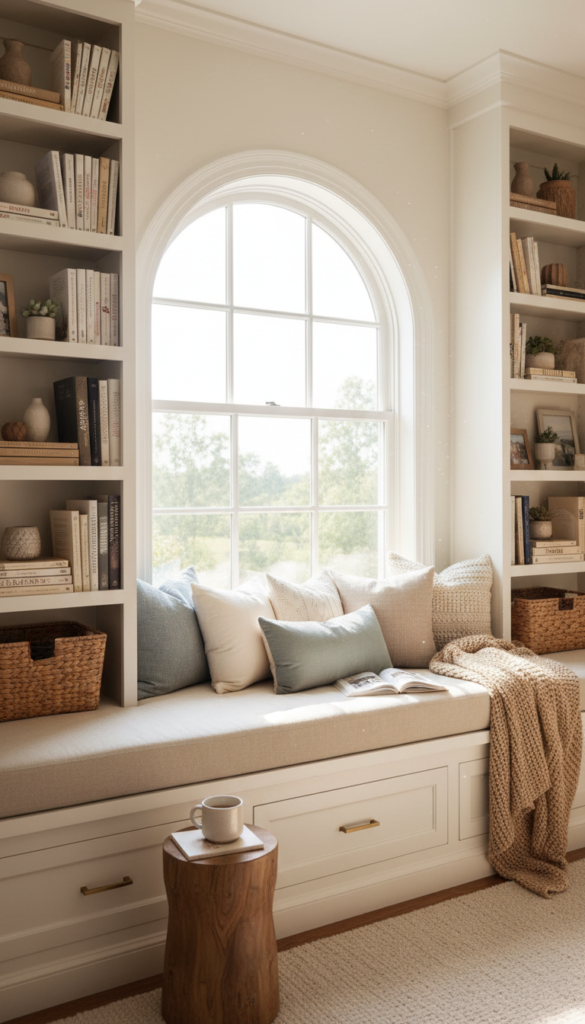
Transform the dead space under a window into a cozy reading spot that doubles as storage. It adds a layer of charm and creates a focal point that draws the eye outward.
Steps To Achieve The Look:
- Construct a bench seat with a hinged lid or deep drawers underneath for blankets and linens.
- Install bookshelves or tall cabinets on either side of the window to frame the view.
- Add a thick, upholstered cushion and throw pillows for comfort.
3. The “Up-and-Over” Headboard Bridge
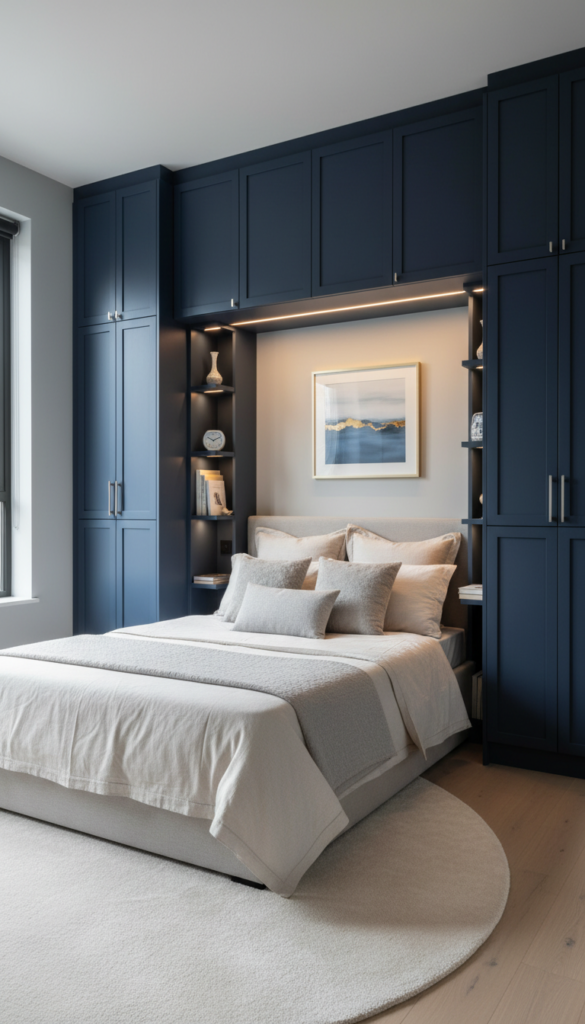
Perfect for smaller rooms, this design utilizes the wall behind your bed. It frames the sleeping area while providing essential storage without eating up floor space.
Steps To Achieve The Look:
- Install tall wardrobe towers on either side of the bed frame.
- Connect them with overhead cabinets or a floating shelf that bridges the gap.
- Install recessed reading lights into the underside of the bridge.
4. Integrated Nightstand Niches
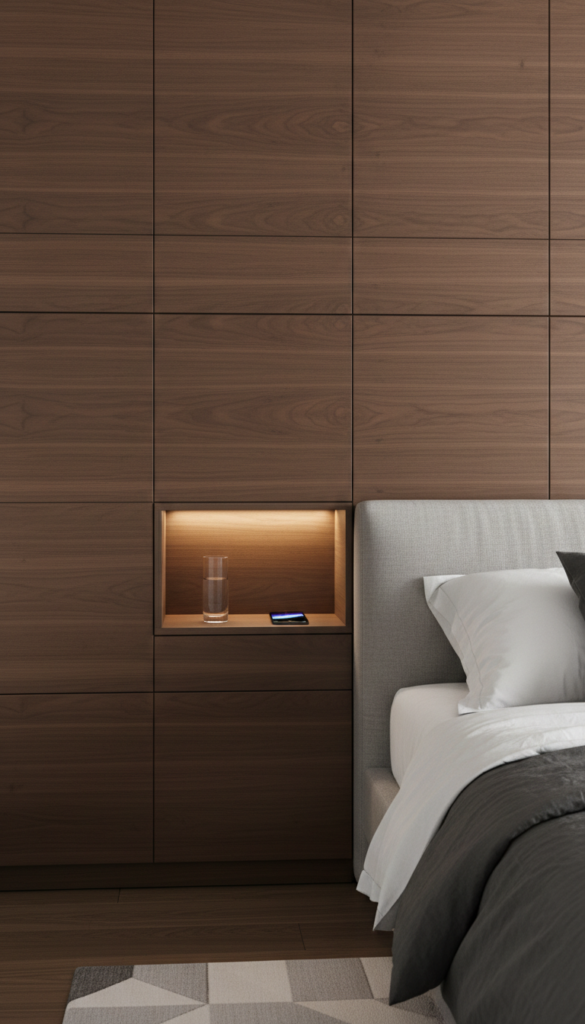
If you are building a wall of closets or a headboard unit, skip the bulky bedside tables. Carving out a niche creates a sleek, hotel-like vibe that keeps the floor completely clear.
Steps To Achieve The Look:
- Create a recessed box within the cabinetry on either side of the bed.
- Add an electrical outlet inside the niche for phone charging.
- Use a contrasting wood tone or stone shelf inside the niche for visual interest.
5. The Knee-Wall Dresser
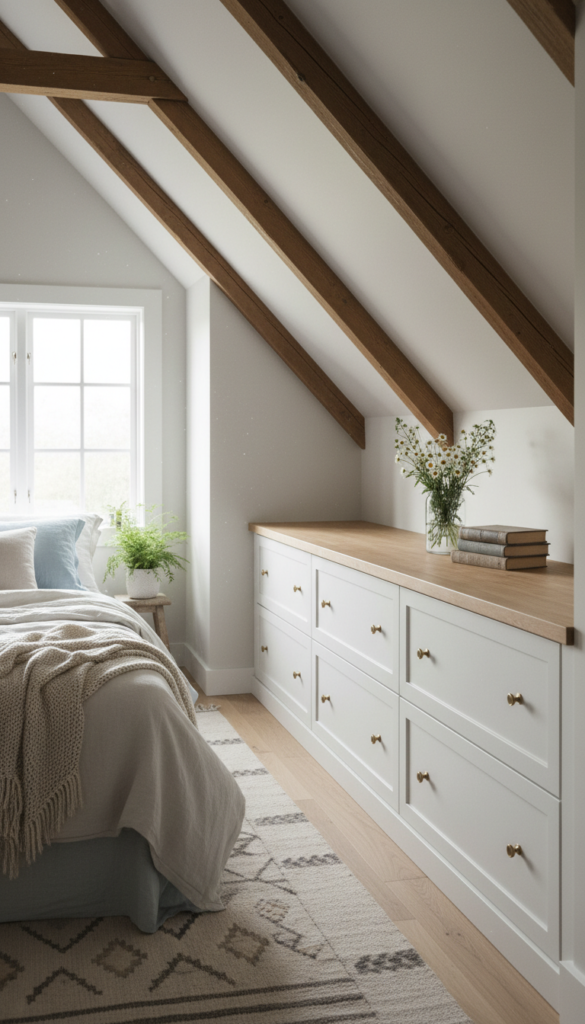
In attic bedrooms or rooms with sloped ceilings, the low space under the eaves often goes to waste. Built-in drawers here reclaim square footage that isn’t tall enough for walking.
Steps To Achieve The Look:
- Frame out the short wall (knee wall) to accept drawer slides.
- Install deep drawers that extend back into the eaves.
- Finish with a countertop that runs the length of the wall for display space.
6. The Hidden Vanity
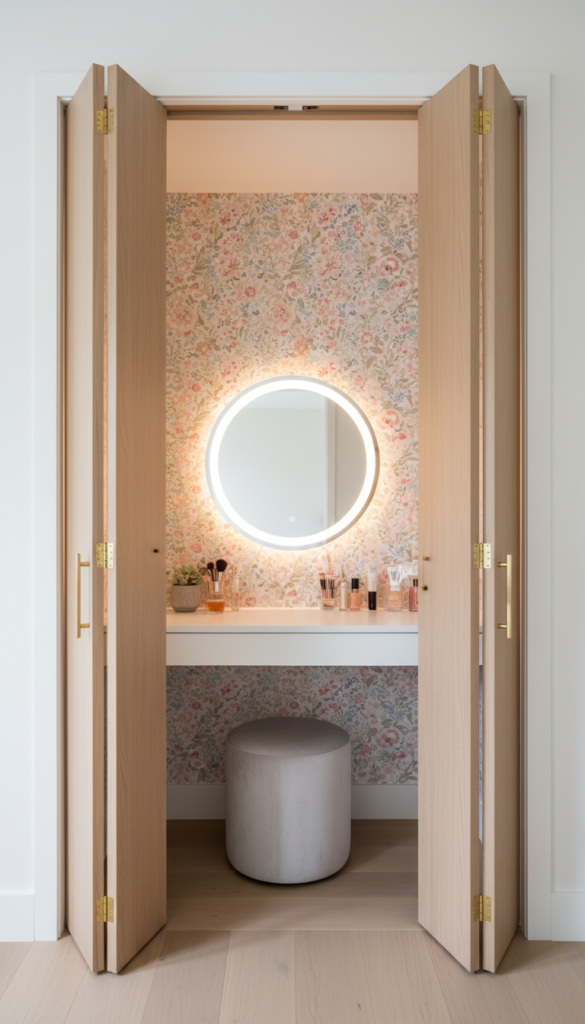
For those who want a workspace or makeup station but don’t want the visual clutter, a “cloffice” (closet-office) style built-in is ideal. It can be hidden away behind doors when not in use.
Steps To Achieve The Look:
- Design a central section within a wardrobe run that features a desk-height surface.
- Install a mirror on the back wall and adequate task lighting overhead.
- Use pocket doors or bi-fold doors that tuck away so they don’t block traffic when open.
7. The Media Wall and Library
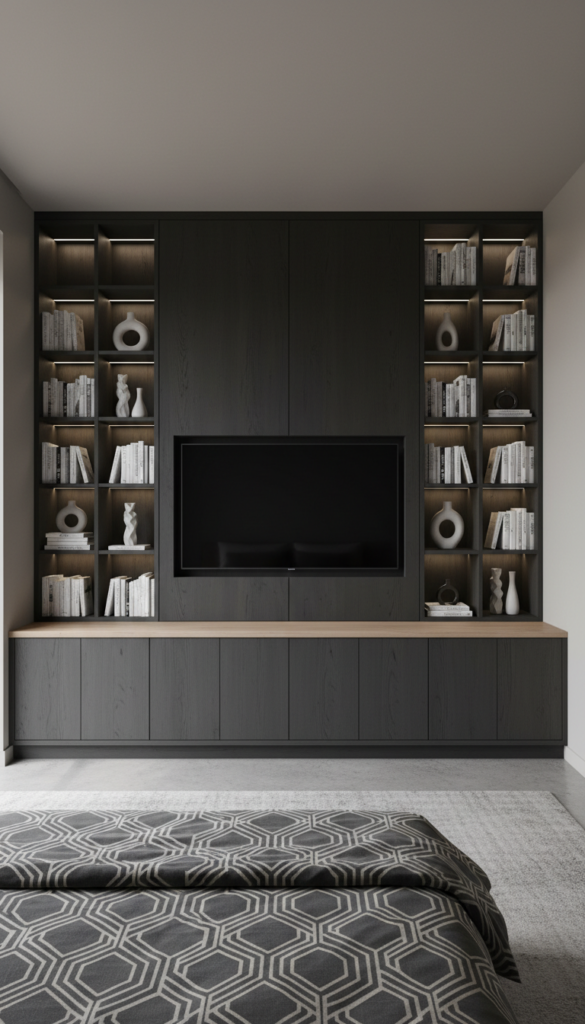
If you enjoy watching TV in bed, a media wall prevents the screen from looking like a black void. Surrounding it with shelving allows you to display books and decor, softening the technology.
Steps To Achieve The Look:
- Create a central cavity specifically sized for your television.
- Surround the TV with open shelving for books and art.
- Incorporate closed cabinets at the bottom to hide cable boxes and gaming consoles.
8. The Room Divider Wardrobe
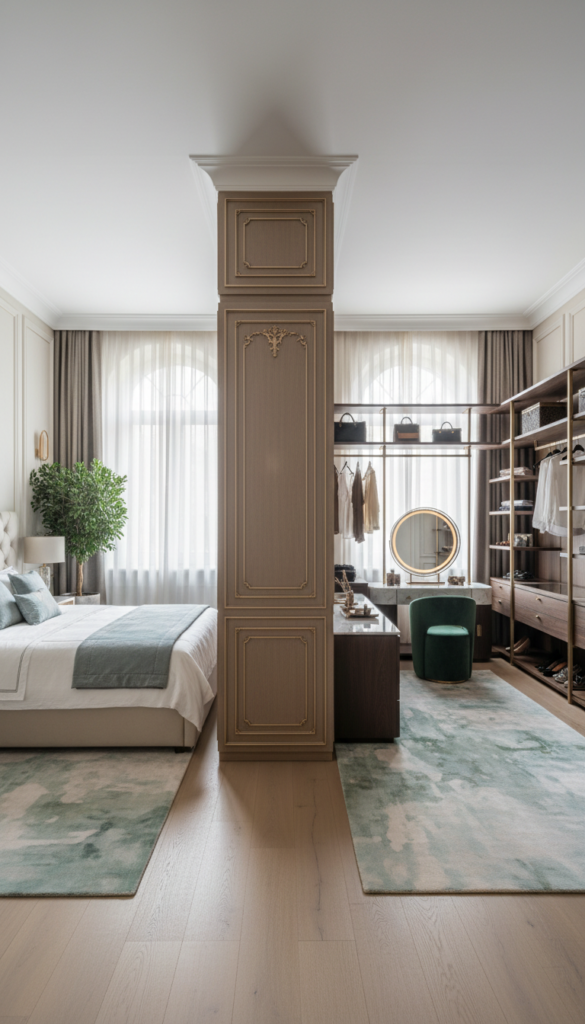
In large master suites or studio apartments, a built-in doesn’t have to be against a wall. A floating wardrobe can act as a partition, separating the sleeping area from a dressing or sitting area.
Steps To Achieve The Look:
- Anchor the cabinetry to the floor and ceiling, leaving the sides free.
- Finish the back of the unit with decorative paneling or wallpaper so it looks good from both sides.
- Ensure the unit is deep enough for hangers but keeps pathways clear on both sides.
Elevate Your Sanctuary
Investing in built-ins is rarely a decision homeowners regret. They quiet the visual noise of a room, allowing you to rest easier. Look around your bedroom today—where is the dead space? That corner, that alcove, or that empty wall might just be the key to a calmer, more organized life.
Frequently Asked Questions (FAQs)
1. Are custom built-ins expensive?
They can be. Custom joinery is labor-intensive. However, you can achieve a similar look for less by using “semi-custom” solutions, such as buying stock cabinets (like IKEA) and adding custom trim and doors to make them look built-in.
2. Do built-ins increase home value?
Generally, yes. Storage is high on the list for homebuyers. Well-executed, permanent storage solutions that look like part of the architecture are considered a premium feature and can increase resale appeal.
3. Can I install built-ins in a rental?
Usually, no, as they are permanent fixtures. However, some modular shelving systems tension-mount between the floor and ceiling, mimicking the look of built-ins without damaging walls, which might be an option with landlord approval.
4. How deep should a built-in wardrobe be?
Standard depth for a wardrobe to hang clothes comfortably is 24 inches (60 cm). If you are building bookshelves or shoe storage, you can get away with a much shallower depth, around 12 to 14 inches.
5. What is the best finish for bedroom built-ins?
Satin or semi-gloss paint is popular because it is durable and easy to clean. For a more organic, warm feel, natural wood veneers like oak or walnut are excellent choices that add texture to the room.