We all know the feeling of walking into a five-star hotel suite. The atmosphere is instantly calming, sophisticated, and intentionally designed. While crisp sheets play a part, the real secret to that premium aesthetic usually lies behind the bed.
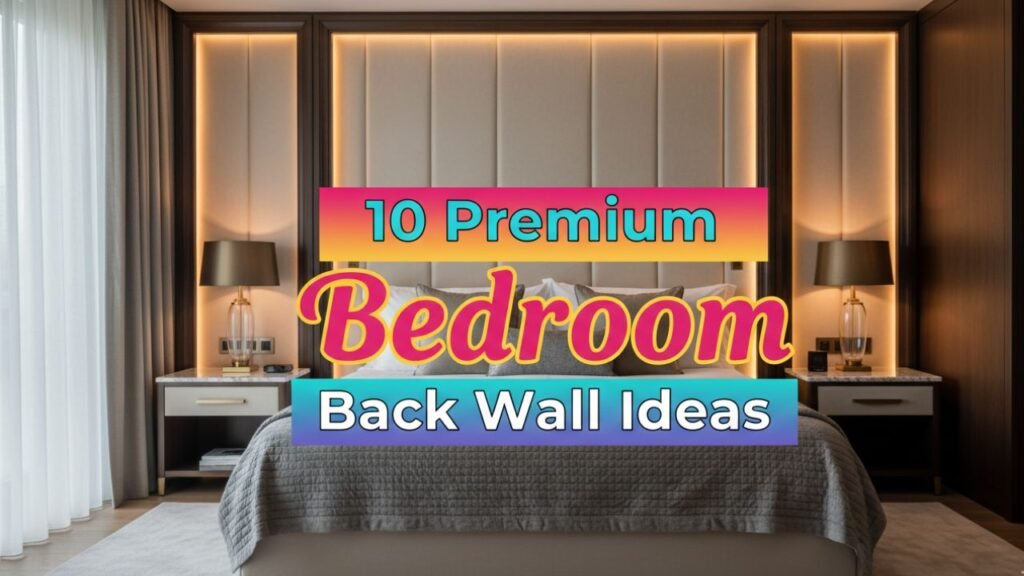
The “back wall” serves as the room’s anchor. It creates a focal point that grounds the furniture and dictates the mood of the space.
You don’t need a full demolition crew to replicate this at home. With the right textures, lighting, and materials, you can turn your bedroom into a permanent staycation spot.
Here are ten premium ideas to elevate your bedroom back wall.
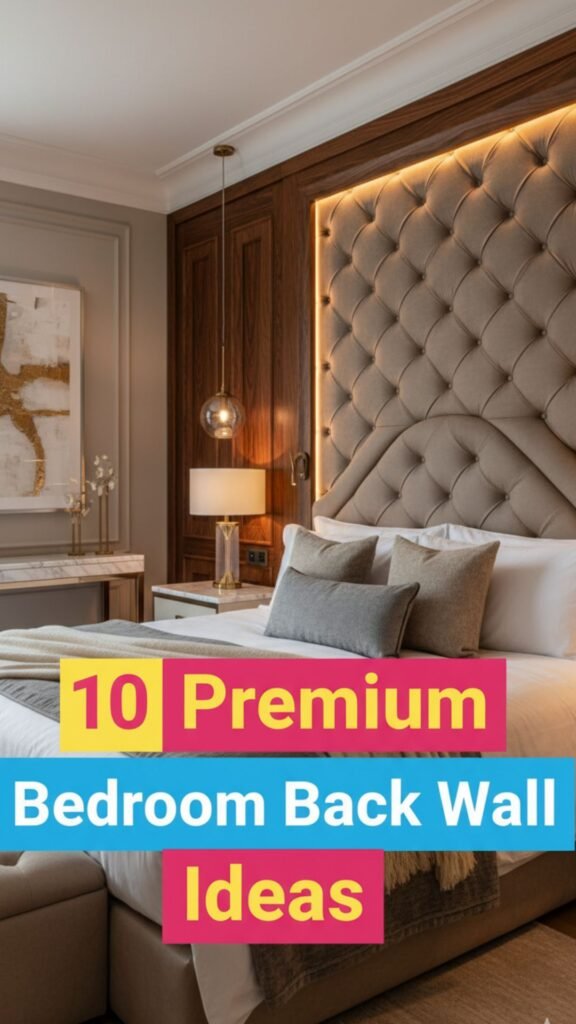
1. Floor-to-Ceiling Upholstered Panels
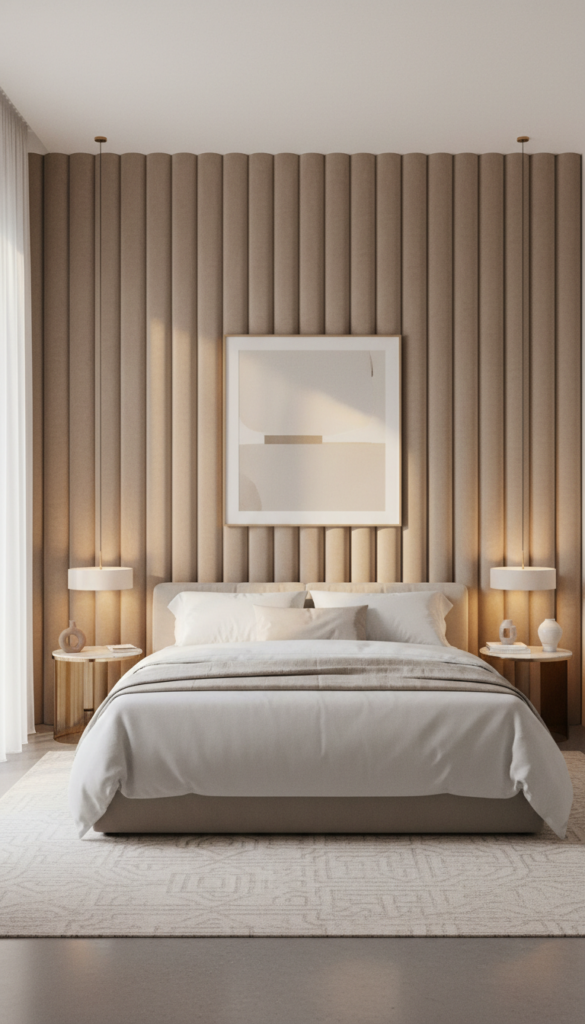
Nothing screams “luxury hotel” quite like soft, fabric-covered walls. This adds soundproofing and visual softness to the room.
Steps To Achieve The Look:
- Choose a fabric like velvet, linen, or faux leather in a neutral tone.
- Purchase pre-made rectangular panels or build frames using plywood and batting.
- Mount the panels vertically from the floor to the ceiling for a sense of height.
2. Vertical Wood Slatting

Wood adds instant warmth and texture. Vertical slats create a modern, rhythmic look often found in boutique Scandinavian hotels.
Steps To Achieve The Look:
- Select timber strips (oak or walnut work best) or pre-made acoustic slat panels.
- Install them over a black or dark grey background to create depth.
- Integrate floating bedside tables directly into the slat wall for a seamless finish.
3. Oversized Abstract Art
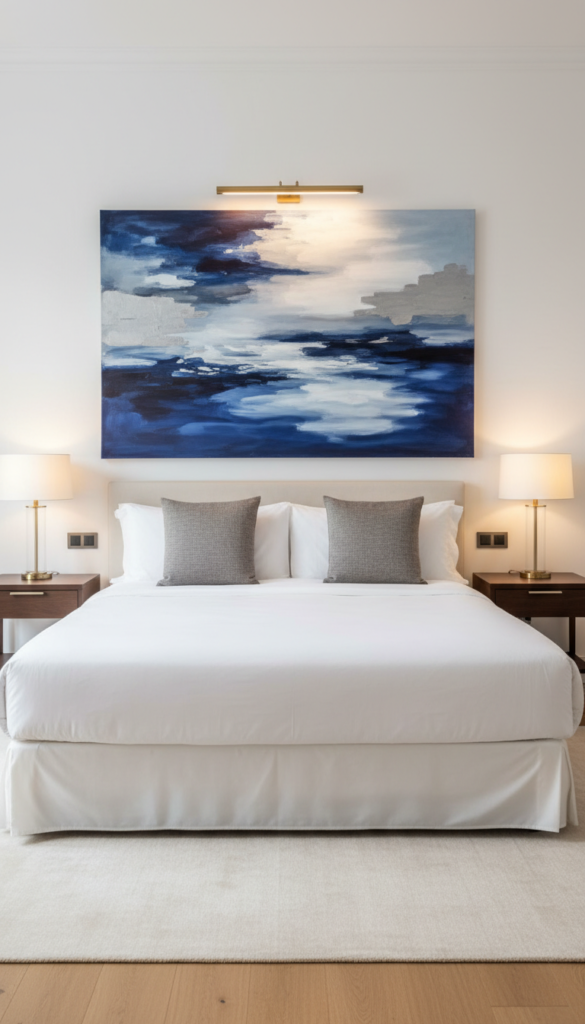
Hotels often use one massive piece of art to define the color palette of the room. It replaces the need for a headboard in some designs.
Steps To Achieve The Look:
- Source a large-scale canvas that spans at least two-thirds the width of your bed.
- Stick to abstract designs with calming colors like blues, greys, or sage greens.
- Install a brass picture light above the frame to highlight the piece in the evening.
4. Moody Wainscoting
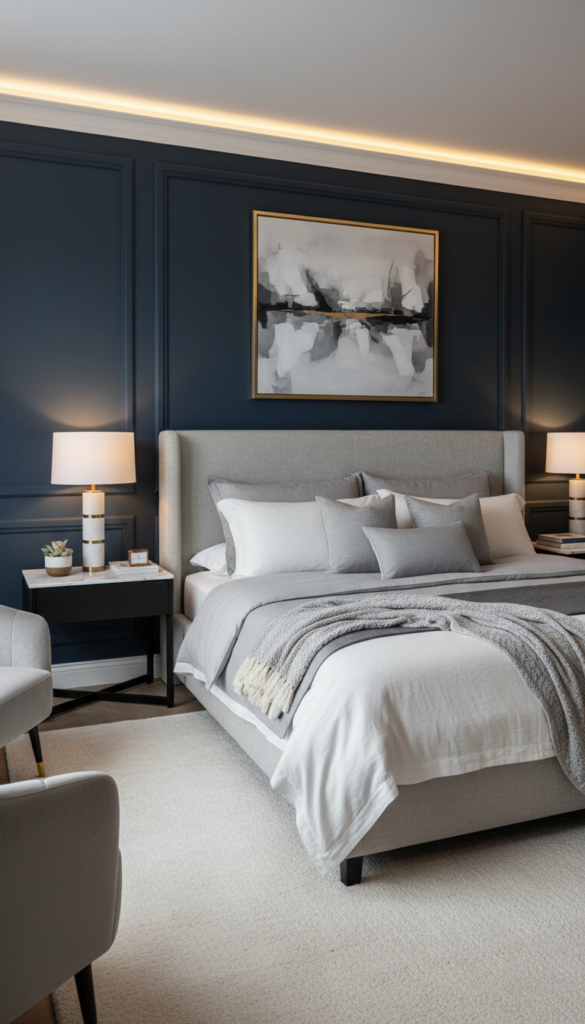
Traditional molding adds architectural interest and elegance. When painted in a dark, moody hue, it feels incredibly high-end.
Steps To Achieve The Look:
- Apply a grid or box molding pattern to the wall behind the bed.
- Paint the entire wall, including the trim and baseboards, in a monochromatic deep color (navy, charcoal, or forest green).
- Pair with a contrasting light-colored headboard to make it pop.
5. Textured Stone Veneer
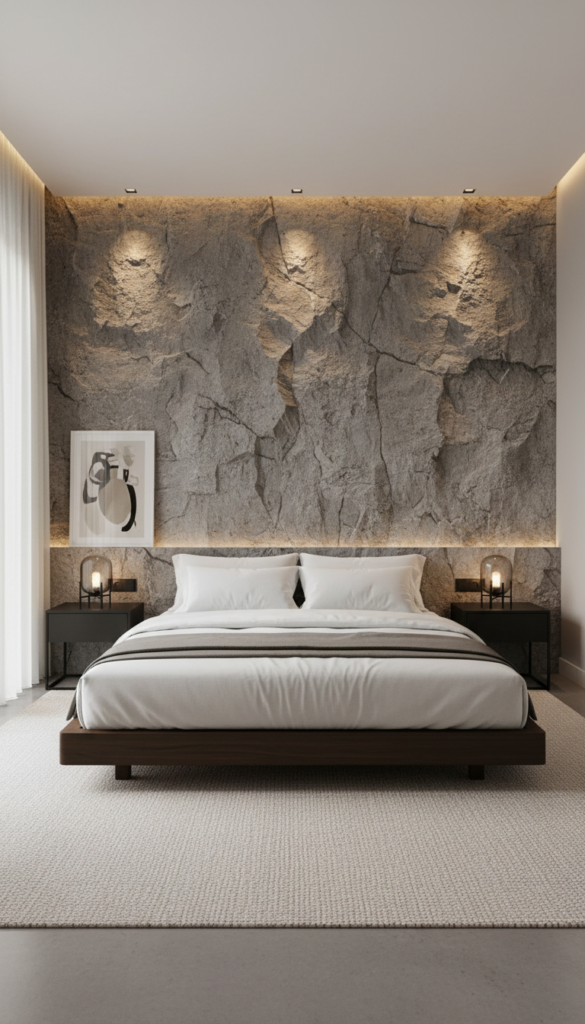
Bring the outdoors in with a natural stone feature wall. This creates a rugged yet refined backdrop that feels expensive and substantial.
Steps To Achieve The Look:
- Use lightweight stone veneer or slate tiles rather than heavy raw stone.
- Focus on subtle textures rather than high-contrast patterns.
- Use downlights in the ceiling to graze the wall, emphasizing the stone’s texture.
6. Antique Mirror Panels
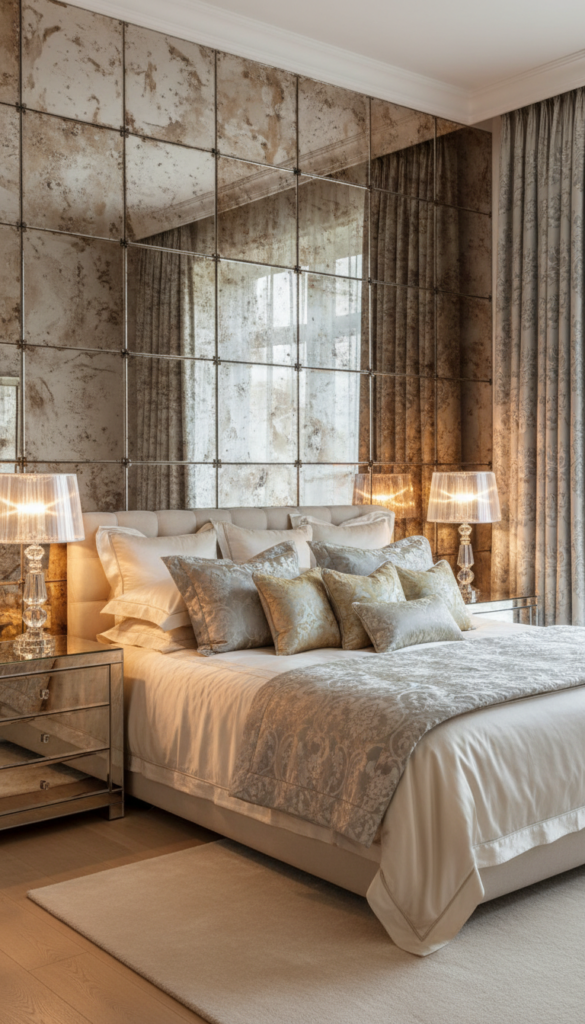
Mirrors reflect light and make small rooms feel expansive. Antique or “foxed” glass creates a vintage glamour without the glare of a standard mirror.
Steps To Achieve The Look:
- Source antique mirror tiles or have a glazier cut custom panels.
- Install them in a grid pattern or flank the sides of the bed behind the nightstands.
- Ensure the mirror finish is distressed enough to look decorative, not functional.
7. Integrated LED Cove Lighting
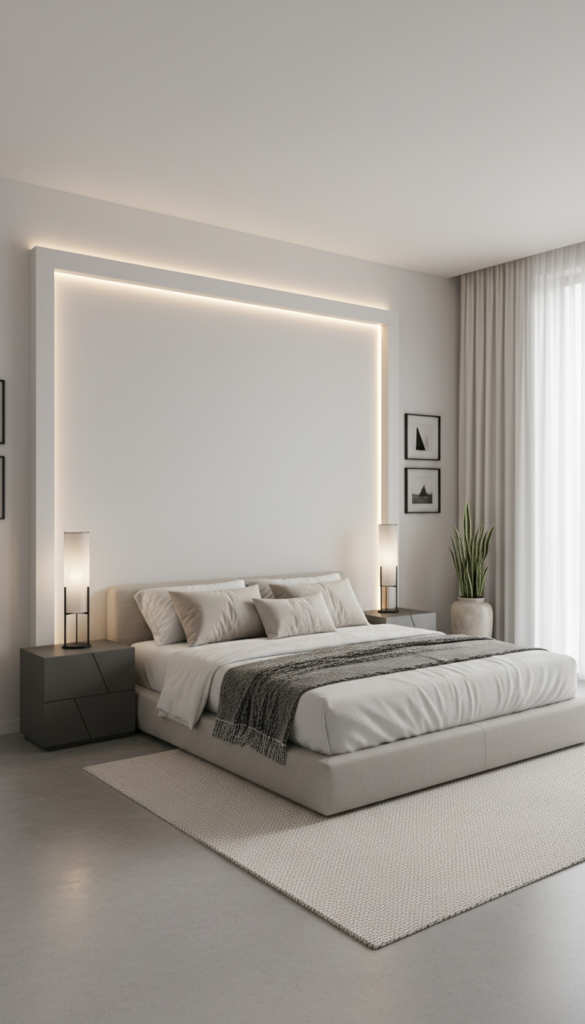
Lighting sets the mood. Building a false wall with hidden lighting creates a soft, diffused glow that creates a floating effect.
Steps To Achieve The Look:
- Build a partial wall or “bump out” that sits a few inches off the main wall.
- Install warm LED strip lighting behind the edges of this new structure.
- Use this bumped-out section to serve as an extended headboard.
8. Grasscloth Wallpaper
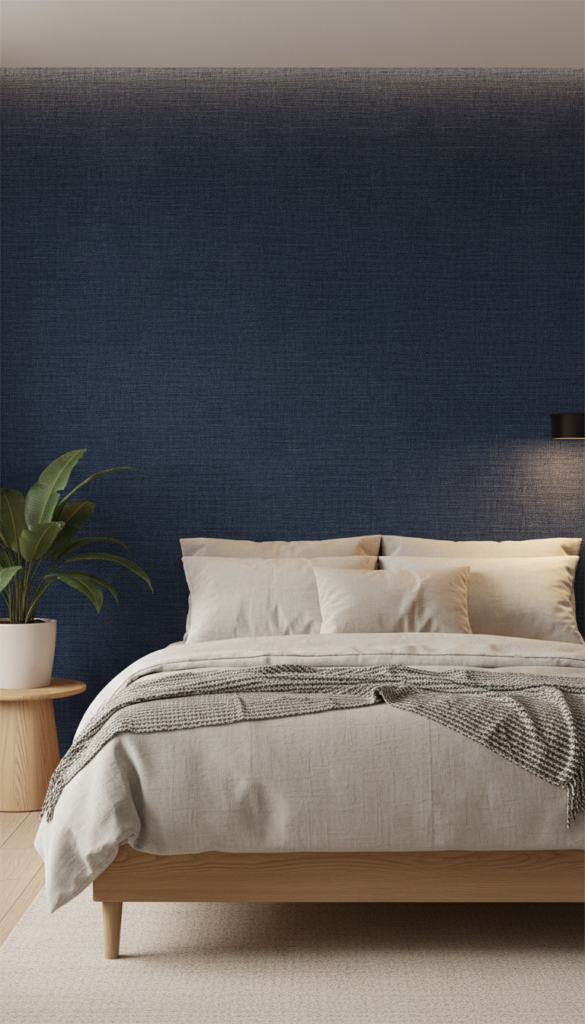
Texture is often more important than pattern in luxury design. Grasscloth adds a tactile, organic element that feels sophisticated.
Steps To Achieve The Look:
- Choose a natural woven wallpaper in a shade like wheat, grey, or navy.
- Ensure the wall is perfectly smooth before application, as grasscloth hides nothing.
- Keep artwork minimal to let the texture of the paper stand out.
9. The Extended Velvet Headboard
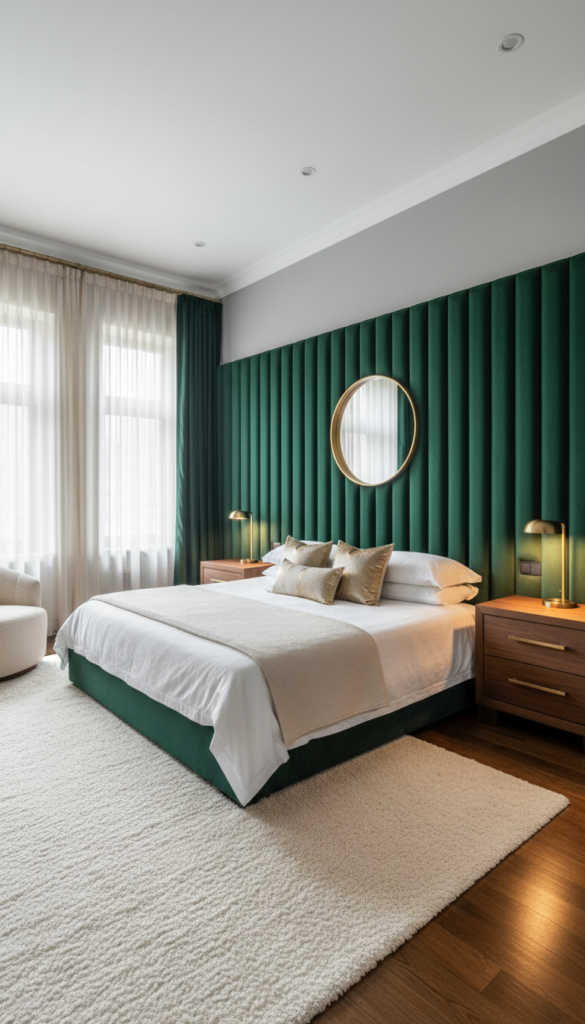
Instead of a standard headboard, extend the upholstery across the entire width of the wall. This makes the room feel wider and more cohesive.
Steps To Achieve The Look:
- Measure the width of your wall, not just the bed.
- Commission or build a low-profile channel-tufted headboard that runs wall-to-wall.
- Place your nightstands in front of the extended sections.
10. Geometric Paint Blocking
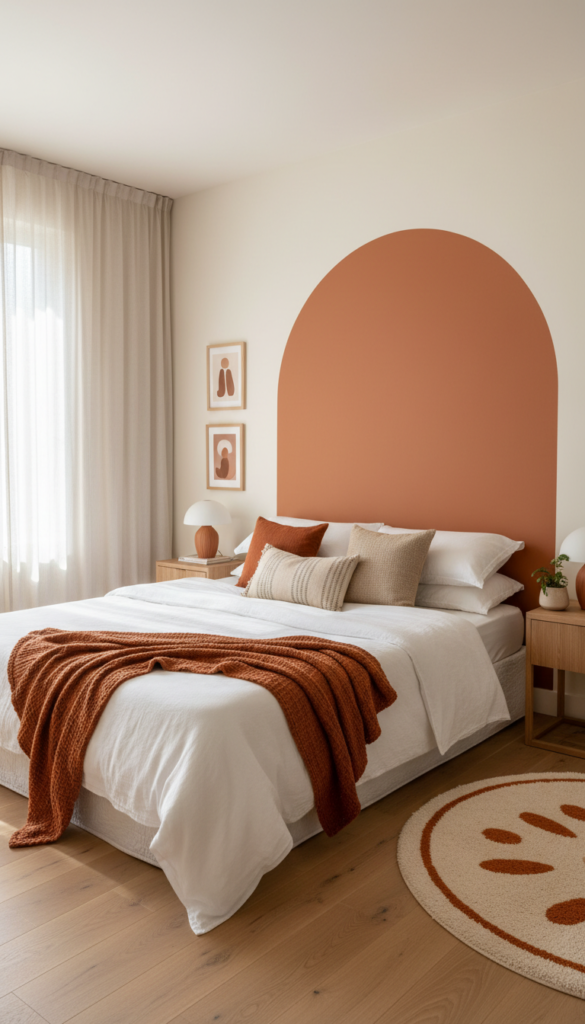
For a budget-friendly option that still looks premium, use paint to create architectural shapes.
Steps To Achieve The Look:
- Mark out a large arch or circle behind the bed using painter’s tape or a string compass.
- Paint the shape in a color two or three shades darker than the rest of the room.
- Align the shape so it frames the bed perfectly, acting as a visual focal point.
Create Your Personal Suite
Designing a premium bedroom isn’t about cluttering the space with expensive items. It is about choosing one impactful element and executing it well. The back wall is your canvas. Whether you prefer the warmth of wood or the softness of velvet, these changes can shift the energy of the room from a place you simply sleep to a place you truly rest.
Frequently Asked Questions (FAQs)
1. Is a feature wall expensive to create?
Not necessarily. While stone veneer and custom upholstery can be pricey, options like geometric paint blocking or installing simple molding are very budget-friendly and can be done as weekend DIY projects.
2. What colors work best for a bedroom feature wall?
Deep, soothing tones tend to work best for a premium hotel feel. Navy blue, charcoal grey, forest green, and warm taupe are excellent choices because they promote relaxation and sleep.
3. Can I create a hotel-style wall in a rental apartment?
Yes. You can use peel-and-stick wallpaper, removable upholstered tiles, or an extra-wide freestanding headboard to achieve the look without damaging the walls.
4. Does the feature wall have to be behind the bed?
Traditionally, yes. The wall behind the bed is the natural focal point of a bedroom. Highlighting a different wall can make the room feel unbalanced unless the room’s architecture dictates otherwise.
5. How do I choose the right lighting for my feature wall?
Layer your lighting. Use overhead recessed lights to wash the wall (great for texture), sconces for reading, and hidden LED strips for ambiance. Avoid harsh, cool-white bulbs; stick to warm white (2700K-3000K).