Your bedroom is the last thing you see at night and the first thing you see in the morning. Yet, it often becomes the dumping ground for laundry and uninspired decor.

You don’t need a billionaire’s budget or a curator’s eye to make your sleeping space feel like a five-star hotel suite. The difference between a dorm room and a luxury sanctuary usually comes down to wall art.
Creating an expensive aesthetic isn’t about the price tag on the canvas; it’s about scale, framing, and placement. By making intentional choices with your wall decor, you can elevate the entire room’s atmosphere. Here are eight specific artwork ideas to give your bedroom that high-end finish.
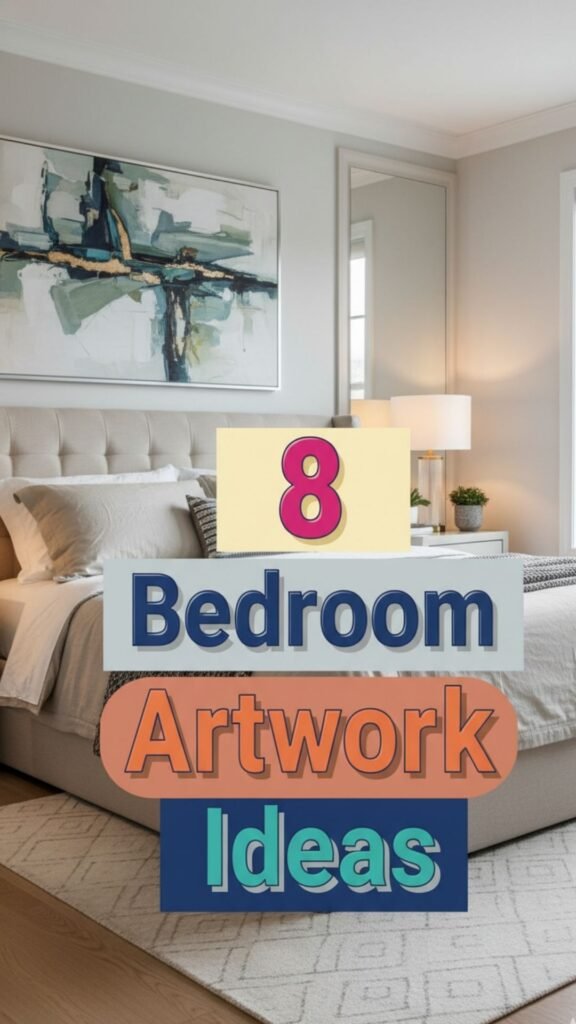
1. Oversized Abstract Canvas

Nothing screams “luxury” quite like massive scale. A single, large abstract piece above the headboard acts as an anchor for the room, creating an immediate focal point that feels deliberate and bold.
Steps To Achieve The Look:
- Source a canvas that is at least two-thirds the width of your bed frame.
- Stick to a neutral color palette (creams, beiges, charcoals) or deep jewel tones to maintain sophistication.
- Use a “floating frame” in wood or metal to give the canvas a finished, gallery-quality edge.
2. The Symmetrical Triptych
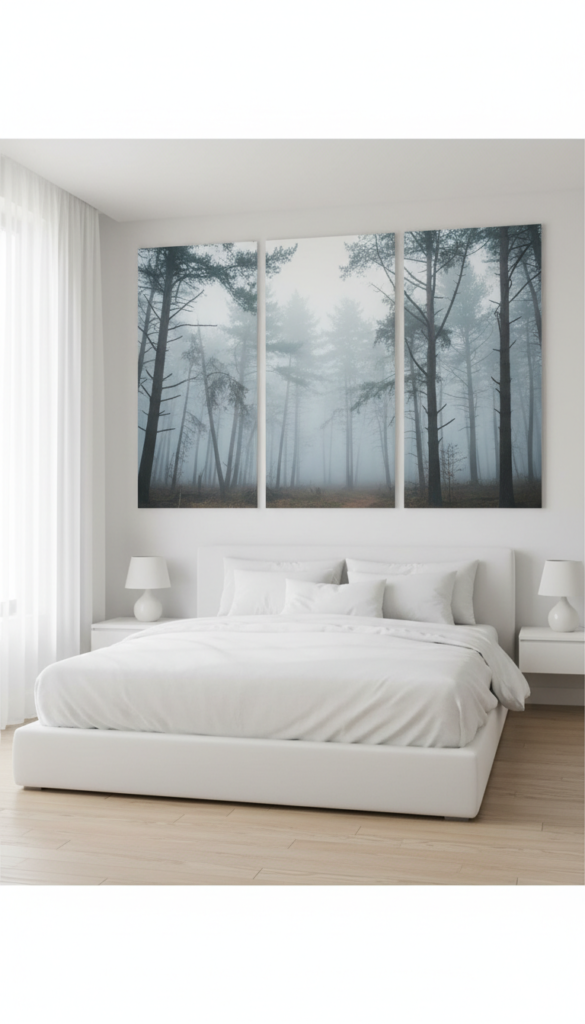
A triptych splits a single image or theme across three separate panels. This technique tricks the eye into seeing the room as wider and more structured. It brings a sense of rhythm and order that is essential for a high-end aesthetic.
Steps To Achieve The Look:
- Choose three identical frame sizes.
- Ensure the artwork inside flows from one frame to the next, or features a cohesive series (like three botanical prints).
- Hang them with exactly 2 to 3 inches of space between each frame for precision.
3. Textured Plaster Art

Flat prints are standard, but texture implies custom design. White-on-white plaster art or relief sculptures catch the light differently throughout the day, adding depth and shadow without overwhelming the room with color.
Steps To Achieve The Look:
- Look for artwork created with modeling paste, fabric, or heavy acrylics.
- Keep the frame minimal or nonexistent to let the texture speak for itself.
- Install a picture light above the piece to highlight the ridges and shadows in the evening.
4. High-Contrast Black and White Photography

Monochrome photography is timeless. It strips away the distraction of color, leaving only light, shadow, and composition. This style suits almost any interior design but feels particularly expensive when matted correctly.
Steps To Achieve The Look:
- Choose a subject matter that evokes mood—think misty landscapes, architectural details, or fashion editorial shots.
- Use a white mat (passe-partout) that is at least 4 inches wide on all sides.
- Pair with a sleek, thin black frame for a sharp, tailored appearance.
5. Vintage Oil Landscapes
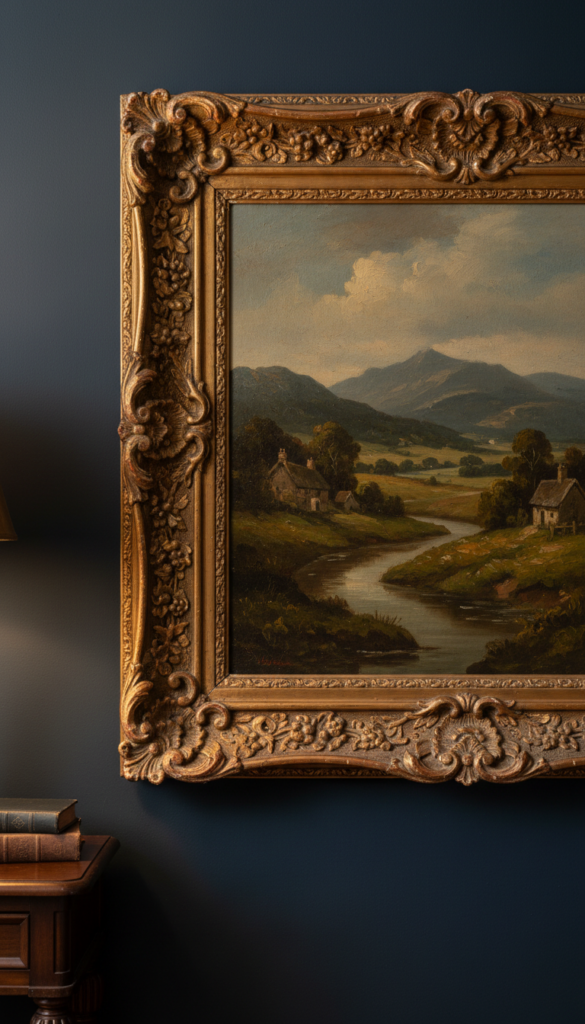
The “old money” aesthetic relies heavily on pieces that look inherited. A vintage (or vintage-style) oil painting adds soul and history to a bedroom. Small landscapes or portraits in heavy frames provide a rich contrast to modern bedding.
Steps To Achieve The Look:
- Scour thrift stores or estate sales for original art, or buy high-quality prints on canvas rather than paper.
- Avoid glass; oil paintings look more authentic when the surface is exposed.
- Use an ornate gold or antique brass frame to emphasize the traditional vibe.
6. Minimalist Line Art
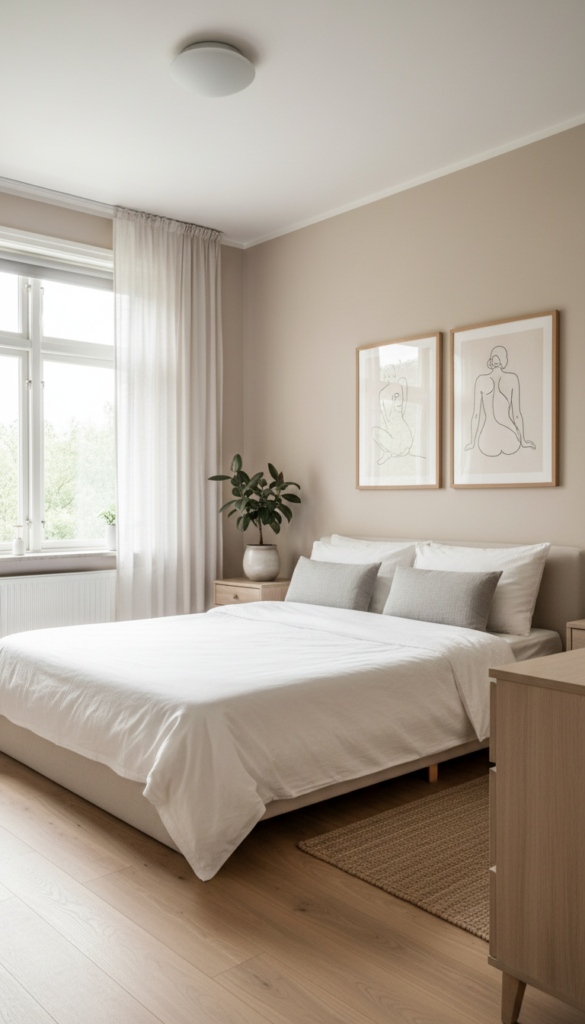
Sometimes, luxury is defined by what you leave out. Minimalist line drawings—often single continuous lines forming figures or shapes—feel airy and intellectual. They prevent visual clutter, which is key for a relaxing bedroom environment.
Steps To Achieve The Look:
- Select artwork with plenty of negative (white) space.
- Float the artwork within the frame so the edges of the paper are visible.
- Group two or four smaller pieces together in a grid if one feels too small.
7. The Grid Gallery Wall
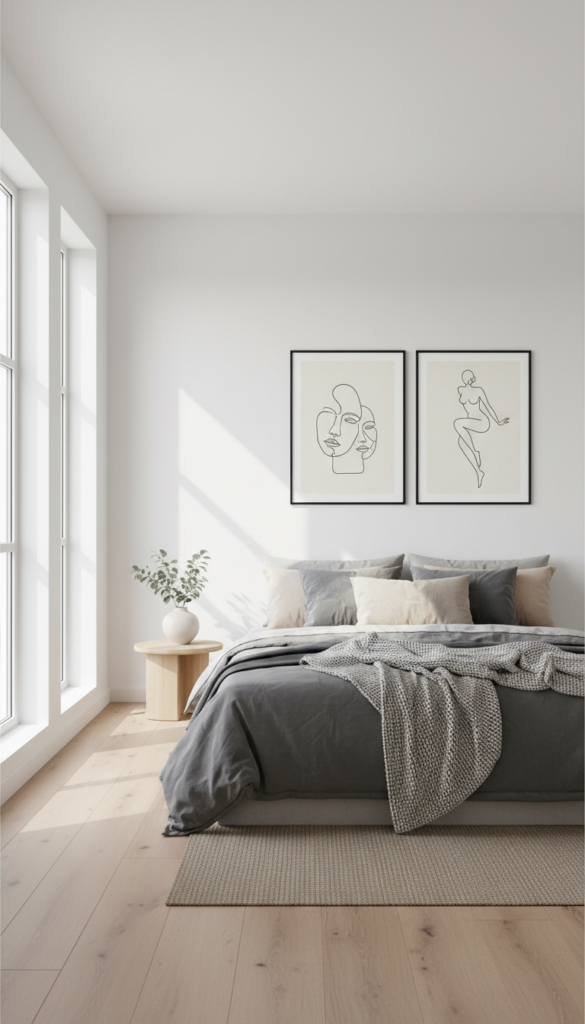
While eclectic gallery walls can look bohemian, a grid gallery wall looks architectural. By using identical frames and identical spacing, you create a graphic statement that feels custom-built for the wall.
Steps To Achieve The Look:
- Select 6, 9, or 12 frames of the exact same size and style.
- Fill them with a thematic collection, such as architectural sketches or pressed botanicals.
- Use a laser level to ensure the grid is perfectly straight; misalignment ruins the expensive effect.
8. Framed Textile Art
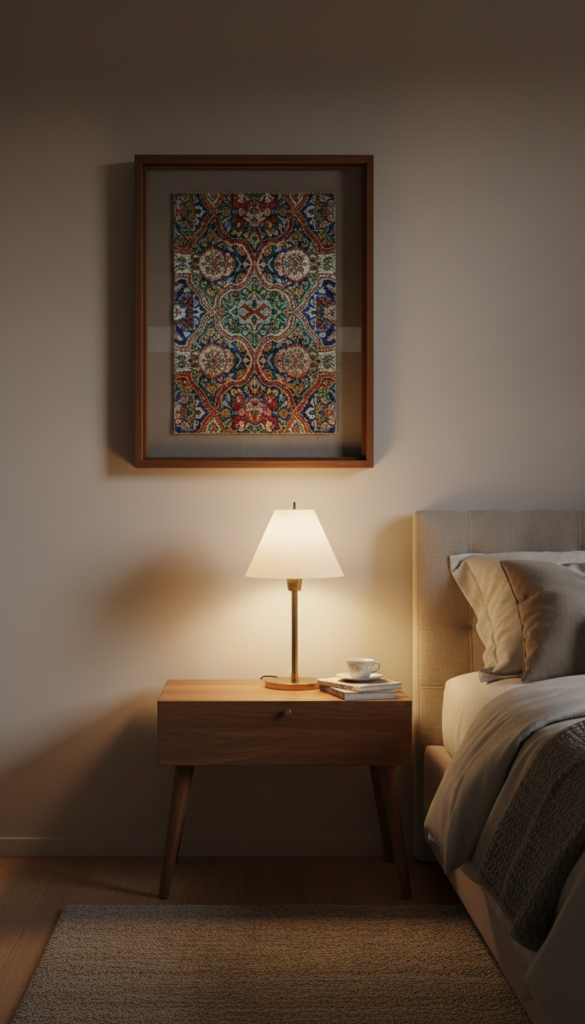
Fabric adds softness to a bedroom that paper cannot achieve. Framing a piece of vintage silk, a block-printed scarf, or a fragment of a rug treats the textile like a precious artifact.
Steps To Achieve The Look:
- Choose a textile with a rich pattern or interesting weave.
- Mount it in a shadow box frame so the fabric isn’t pressed flat against the glass.
- Center it over a dresser or reading chair to add a layer of warmth to the vignette.
Curating Your Sanctuary
Achieving an expensive aesthetic is less about spending money and more about strict editing. Whether you choose the drama of an oversized canvas or the precision of a grid gallery, the key is intentionality. Pick the style that resonates with you, frame it well, and hang it with precision. Your bedroom will thank you.
Frequently Asked Questions (FAQs)
1. How high should I hang artwork above my bed?
The bottom of the frame should sit about 8 to 10 inches above the top of your headboard. If you hang it too high, it will feel disconnected from the furniture; too low, and you risk bumping your head against it.
2. Do my frames need to match my furniture?
Not necessarily. While matching wood tones can look cohesive, mixing metals (like a gold frame with a wooden bed) often looks more designer and layered. The most important thing is that the frames complement the art inside them.
3. I rent my apartment; how can I hang heavy art?
For lighter pieces, adhesive strips work wonders and leave no trace. For heavier items like large canvases, you can lean them against the wall on top of a dresser or use “monkey hooks,” which make only tiny pinholes that are easily filled with toothpaste or spackle upon moving out.
4. How wide should art be relative to the bed?
A general rule of thumb for balance is that the artwork (or group of art) should span roughly two-thirds the width of the headboard or bed frame. If the art is too small, the bed will dwarf it.
5. Can I mix different art styles in a bedroom?
You can, but for a high-end, relaxing “hotel” vibe, it is usually safer to stick to one cohesive style or medium. If you do mix styles, keep the color palette consistent or use identical frames to tie the look together.