Your bedroom is the one room in the house where the only goal should be rest. While living rooms are for socializing and kitchens for creating, your bedroom is your personal sanctuary to escape the noise of the day. However, clutter and chaotic design often turn this haven into a source of stress.
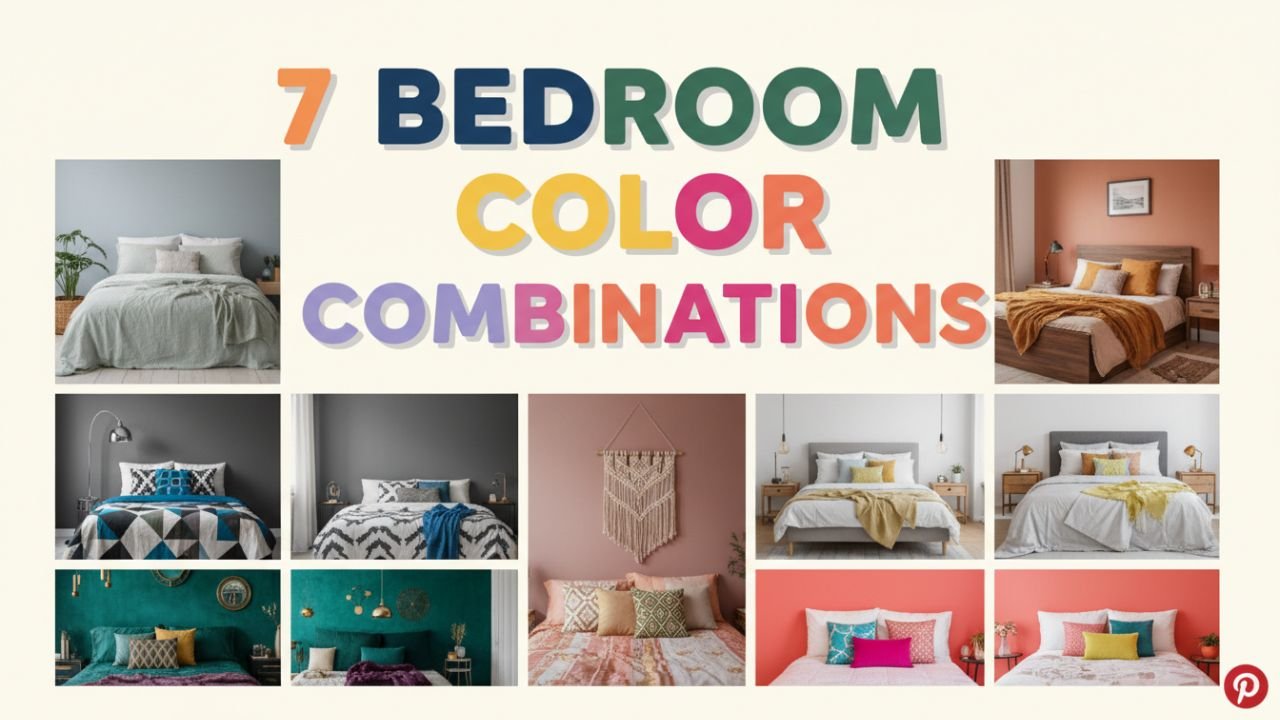
One of the fastest ways to change the energy of a room is through color. The right palette lowers your heart rate and signals to your brain that it is time to sleep. Whether you prefer the crispness of a luxury hotel or the warmth of a cozy den, choosing the right hues is the first step toward better rest. Here are seven color combinations designed to turn your bedroom into a relaxing retreat.

1. Soft Blue and Crisp White
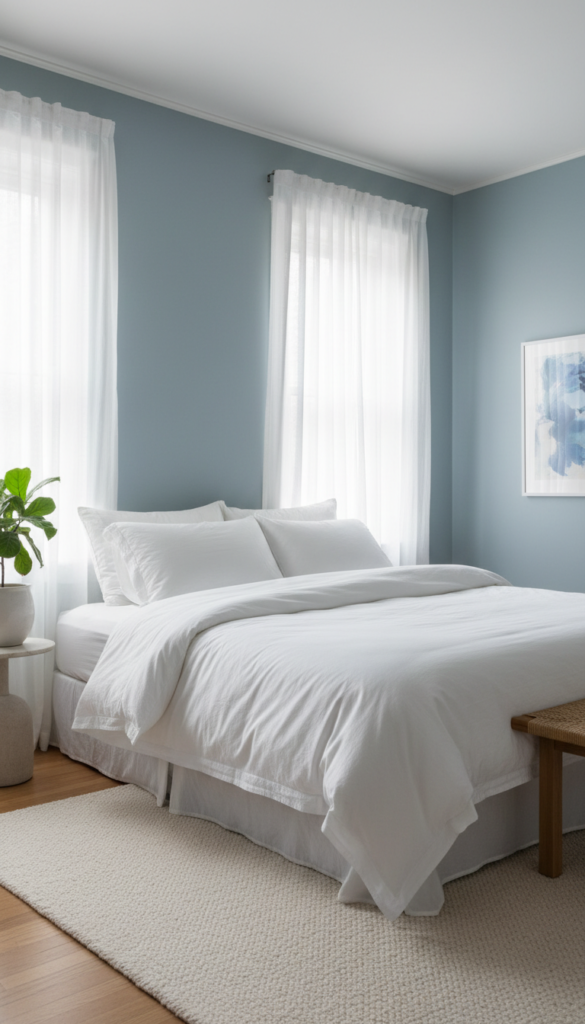
This is the gold standard for relaxation. Blue is psychologically proven to be the most calming color for the human brain, evoking images of the ocean and the sky. When paired with a sharp, clean white, it creates an airy, cloud-like atmosphere that feels open and breathable.
How To Achieve This Look:
- Paint the walls a pale, icy blue or keep them white with a blue feature wall.
- Layer white bedding with blue throw blankets and pillows for depth.
- Use sheer white curtains to maximize natural light during the day.
Items To Buy
- Pale blue duvet cover set
- White sheer curtains
- Blue throw pillows
- White ceramic bedside lamp
- Light blue area rug
- White wood nightstand
- Blue glass vase
- Coastal wall art
- White cotton sheets
- Blue upholstered bench
2. Sage Green and Warm Beige
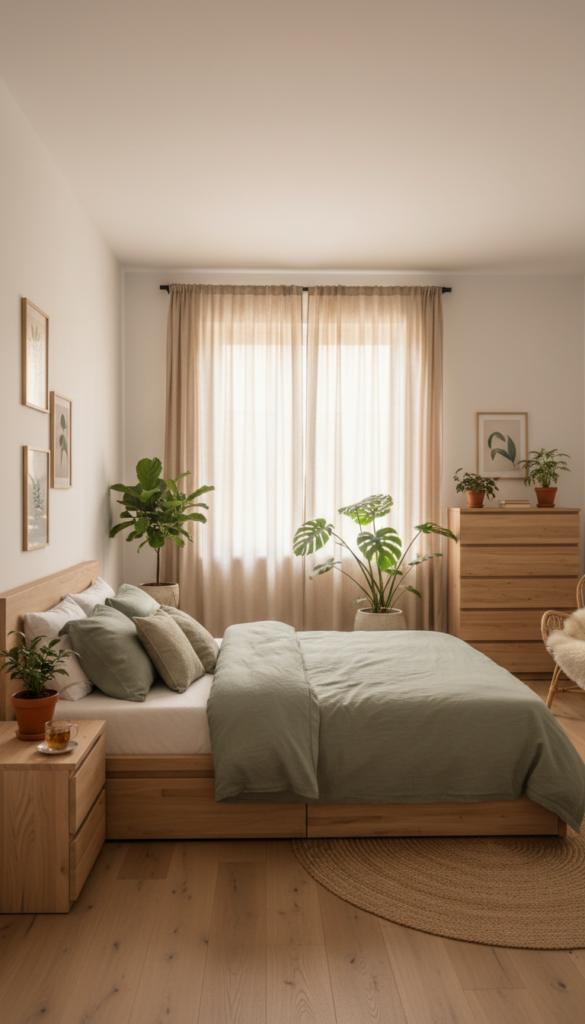
Bring the outdoors in with this nature-inspired palette. Sage green is muted enough to act as a neutral, while beige adds a warmth that pure white lacks. This combination mimics the colors of a forest floor, grounding you and helping you feel centered before sleep.
How To Achieve This Look:
- Opt for sage green bedding or a painted headboard wall.
- Incorporate natural wood furniture to complement the beige tones.
- Add plenty of indoor plants to enhance the organic vibe.
Items To Buy
- Sage green comforter
- Beige linen curtains
- Rattan bedside table
- Green artificial potted plant
- Jute area rug
- Beige throw blanket
- Sage green decorative pillows
- Botanical wall prints
- Bamboo shades
- Cream macrame wall hanging
3. Lavender and Cool Grey
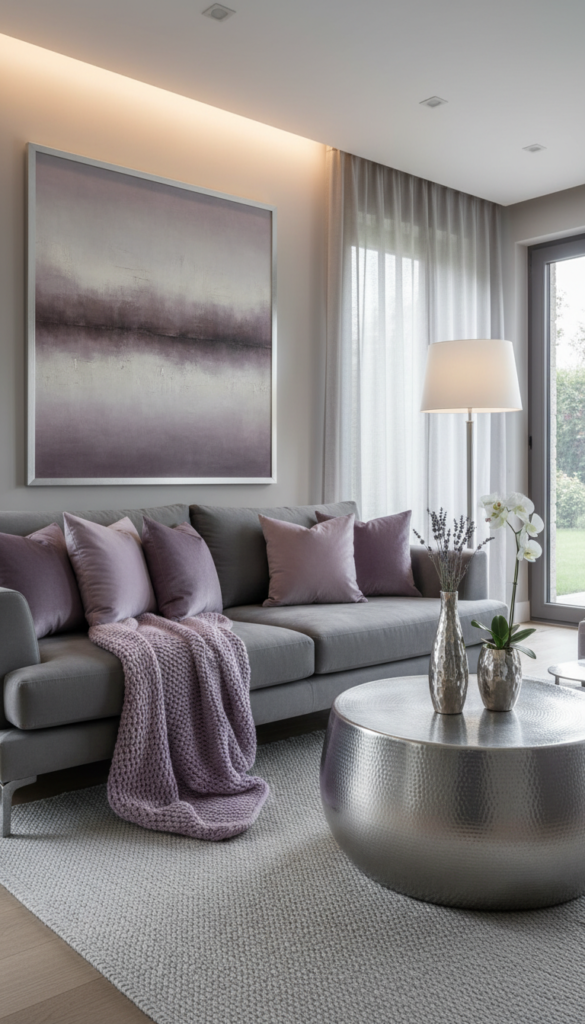
Lavender has long been associated with sleep and relaxation. When mixed with a sophisticated cool grey, it avoids looking like a nursery and instead feels elegant and serene. This palette is perfect for those who want a touch of color without overwhelming the senses.
How To Achieve This Look:
- Use grey as your base color for walls and large furniture items.
- Introduce lavender through textiles like rugs, throws, and pillowcases.
- Add silver or chrome accents to highlight the cool undertones.
Items To Buy
- Lavender throw blanket
- Grey blackout curtains
- Silver table lamp
- Grey upholstered headboard
- Lavender scented candle
- Grey shag rug
- Purple abstract wall art
- Lavender sheet set
- Chrome picture frames
- Grey velvet accent chair
4. Deep Navy and Cream

For a cozier, “cocooning” effect, darker colors work wonders. Deep navy blue absorbs light, making the room feel smaller and more intimate, which is ideal for sleep. Contrasting it with rich cream prevents the room from feeling dreary and adds a touch of luxury.
How To Achieve This Look:
- Be bold with a navy accent wall behind the bed.
- Use cream-colored furniture and bedding to create high contrast.
- Incorporate gold or brass fixtures to warm up the blue tones.
Items To Buy
- Navy blue velvet curtains
- Cream quilt set
- Gold wall sconces
- Navy blue area rug
- Cream upholstered bench
- Navy throw pillows
- Gold mirror
- Cream bedside table
- Navy blue paint
- Brass curtain rods
5. Terracotta and Sand

This combination brings the warmth of the desert sunset into your home. It creates a grounded, earthy atmosphere that feels incredibly inviting. Unlike bright oranges or reds, terracotta has a muted quality that is restful rather than stimulating.
How To Achieve This Look:
- Mix textures like linen, clay, and wool.
- Keep the walls a neutral sand color and use terracotta for the bedspread and rug.
- Add woven baskets and unglazed pottery as decor.
Items To Buy
- Terracotta duvet cover
- Sand colored sheet set
- Woven storage basket
- Clay vase
- Rust colored throw blanket
- Beige boucle chair
- Southwestern rug
- Terracotta plant pot
- Warm wood dresser
- Pampas grass decor
6. Blush Pink and Charcoal

If you want a modern look that still feels soft, try blush and charcoal. The dark charcoal grey adds a masculine edge that grounds the sweetness of the pink, resulting in a balanced, adult aesthetic. It is romantic without being overly flowery.
How To Achieve This Look:
- Select a charcoal grey bed frame or rug to anchor the room.
- Soften the edges with blush pink pillows, artwork, and fresh flowers.
- Keep furniture lines sleek and modern.
Items To Buy
- Blush pink knit throw
- Charcoal grey duvet cover
- Modern pink wall art
- Grey platform bed frame
- Pink velvet ottoman
- Dark grey curtains
- Blush bedside lamp
- Charcoal area rug
- Matte black hardware
- Pink silk pillowcase
7. Monochromatic White and Wood
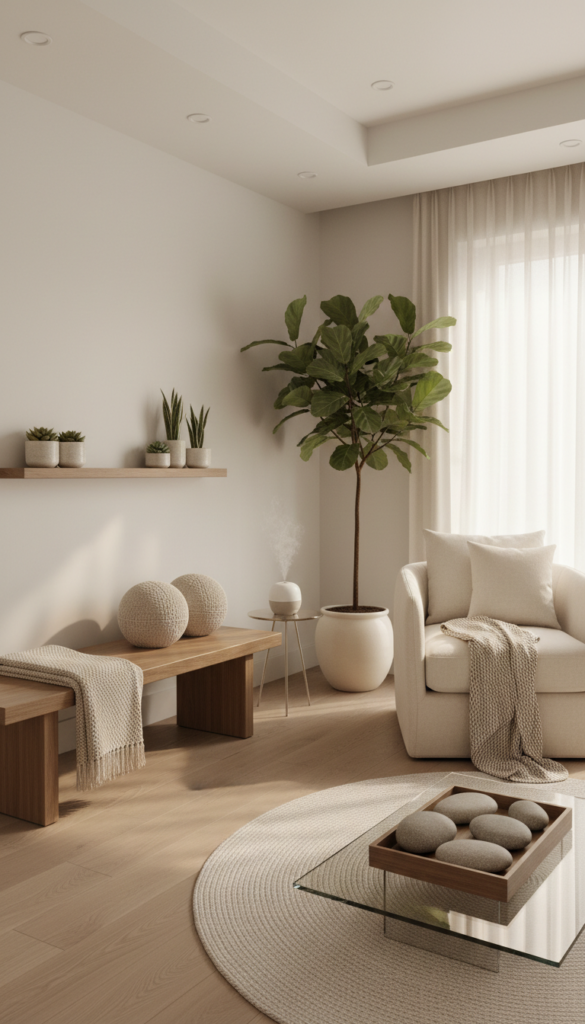
There is nothing quite like the feeling of a high-end spa, and you can recreate that with a monochromatic white palette. To prevent the room from feeling sterile or hospital-like, the secret is texture and natural wood tones.
How To Achieve This Look:
- Layer different shades of white, cream, and ivory.
- Mix materials: chunky knit blankets, linen sheets, and faux fur rugs.
- Use light oak or walnut furniture to add warmth and dimension.
Items To Buy
- White waffle weave blanket
- Ivory faux fur rug
- Light oak nightstand
- White textured duvet
- Wooden bench
- Cream cable knit pillow
- White linen curtains
- Driftwood decor
- White ceramic vase
- Natural wood bed frame
Transform Your Sleep Space
Changing your bedroom colors is more than just a cosmetic upgrade; it is an investment in your well-being. By choosing a palette that speaks to you—whether it is the deep calm of navy or the organic warmth of sage—you create an environment that physically triggers relaxation.
Start small with bedding and accessories, or go all out with a fresh coat of paint. The most important thing is that when you walk in, you feel the weight of the world lift off your shoulders.
Frequently Asked Questions (FAQs)
1. What is the most relaxing color for a bedroom?
Studies consistently show that blue is the most relaxing color. It is associated with feelings of calm and serenity, which can help lower blood pressure and heart rate.
2. Should I paint my small bedroom a dark or light color?
Light colors generally make a small room feel larger and airier. However, dark colors like navy or charcoal can blur the corners of the room, creating a cozy, “jewel-box” effect that is very restful for sleep.
3. How many colors should I use in my bedroom palette?
A good rule of thumb is the 60-30-10 rule. Use your dominant color for 60% of the room (walls, large furniture), a secondary color for 30% (bedding, curtains), and an accent color for the final 10% (pillows, art).
4. Are warm or cool colors better for sleep?
Cool colors (blues, greens, greys) are typically better for promoting sleep as they are receding colors that create a sense of spaciousness and calm. Warm colors (reds, oranges) can sometimes be too stimulating, though muted earth tones like terracotta are an exception.
5. How can I add color without painting?
You don’t need a paintbrush to change your palette. The easiest way is through textiles: change your duvet cover, add an area rug, hang new curtains, or swap out throw pillows for an instant color refresh.