
We spend roughly one-third of our lives in bed, yet many of us overlook how our bedroom environment impacts our rest.
If your space feels chaotic, bright, or sterile, your mind will struggle to wind down. You don’t need a complete renovation to fix this; often, the secret to better sleep lies in sensory details.

By adjusting textures, lighting, and colors, you can turn your bedroom into a sanctuary that signals your brain it’s time to recharge. Here are 11 design ideas to help you create a cozy retreat.

1. Soft, Layered Lighting

Harsh overhead lighting triggers alertness. To create a sleepy atmosphere, you need softness. Aim for warm-colored bulbs (2700K or lower) that mimic the glow of a sunset.
How To Achieve This Look:
- Avoid using the “big light” after 8 PM.
- Install dimmer switches or smart bulbs to lower intensity.
- Use lamps with fabric shades to diffuse light evenly.
Items To Buy
2. Textural Bedding Layers

A cozy bed isn’t just about a mattress; it’s about the cocoon you build on top of it. Layering different fabrics adds visual warmth and allows you to adjust your temperature throughout the night.
How To Achieve This Look:
- Start with breathable cotton or linen sheets.
- Add a duvet with a high-quality insert.
- Finish with a chunky knit throw at the foot of the bed.
Items To Buy
3. Total Blackout Window Treatments
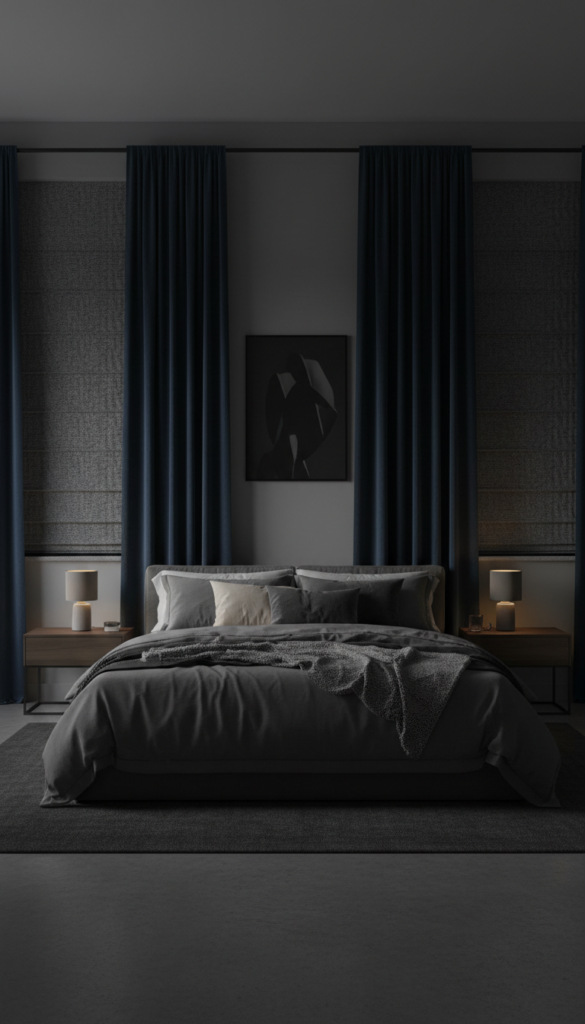
Even a sliver of street light can disrupt melatonin production. For deep, uninterrupted sleep, your room should be as dark as a cave.
How To Achieve This Look:
- Install floor-to-ceiling velvet curtains for insulation and darkness.
- Use a wrap-around curtain rod to close side gaps.
- Layer blinds underneath drapes for maximum control.
Items To Buy
4. Plush Area Rugs

Stepping onto a cold floor is a shocking way to wake up or go to bed. Soften the acoustics and the tactile experience of the room with high-pile textiles.
How To Achieve This Look:
- Place a large rug under the bottom two-thirds of the bed.
- Use sheepskin or faux fur runners on either side of the bed.
- Choose wool blends for durability and warmth.
Items To Buy
5. Decluttered Nightstands

Visual clutter creates mental noise. A chaotic nightstand can make you feel stressed right before you try to sleep.
How To Achieve This Look:
- Use nightstands with drawers to hide essentials.
- Utilize cable management clips to hide charging cords.
- Keep the surface reserved for water, a lamp, and a book.
Items To Buy
6. Calming Color Palette

Colors evoke physiological responses. While red raises heart rates, cooler tones and neutrals induce relaxation.
How To Achieve This Look:
- Paint walls in sage green, soft blue, or warm beige.
- Keep bedding neutral to avoid visual overstimulation.
- Add color through small, swappable accents like pillows.
Items To Buy
7. Aromatherapy Stations

Scent is a powerful trigger for memory and mood. Lavender, chamomile, and cedarwood are proven to help the nervous system relax.
How To Achieve This Look:
- Use a stone or ceramic diffuser for a spa-like look.
- Avoid paraffin candles; opt for soy or beeswax.
- Keep a linen spray handy for refreshing pillows.
Items To Buy
8. Dedicated Reading Nook

Training your brain that the bed is only for sleep (and intimacy) helps cure insomnia. A separate cozy corner gives you a place to wind down before getting under the covers.
How To Achieve This Look:
- Invest in a comfortable armchair or chaise.
- Add a dedicated floor lamp for reading.
- Keep a small side table nearby for tea.
Items To Buy
9. Natural Elements

Biophilic design—bringing the outdoors in—reduces stress. Plants also improve air quality, which can lead to better breathing during sleep.
How To Achieve This Look:
- Choose low-light plants like Snake Plants or Pothos.
- Use wooden plant stands to add height and warmth.
- Incorporate dried flowers if you lack a green thumb.
Items To Buy
10. Sound Control

Unexpected noises are a primary cause of sleep fragmentation. Managing the acoustics of your room creates a consistent soundscape.
How To Achieve This Look:
- Use sound-absorbing acoustic panels behind artwork.
- Run a white noise machine or air purifier.
- Add upholstered headboards to dampen echoes.
Items To Buy
11. Sentimental Decor

A sterile room can feel cold. Surrounding yourself with positive memories induces feelings of safety, which is essential for deep sleep.
How To Achieve This Look:
- Create a small gallery wall of black and white family photos.
- Display travel souvenirs on floating shelves.
- Limit this to a few key pieces to avoid clutter.
Items To Buy
Conclusion
Creating a sleep-friendly bedroom isn’t about buying the most expensive mattress; it’s about curating an atmosphere of calm. By layering textures, controlling light, and removing clutter, you invite your body to rest the moment you step through the door. Start with one or two of these changes this weekend and notice the difference in your energy levels come Monday morning.
Frequently Asked Questions (FAQs)
1. What is the best color for a sleep-friendly bedroom?
Psychology suggests that cool colors like soft blues, sage greens, and slate greys are best for sleep because they lower heart rates and reduce anxiety. Warm neutrals like beige or taupe are also excellent choices for a cozy vibe.
2. How can I make my bedroom cozy without painting?
Focus on lighting and textiles. Adding warm, dimmable lamps and layering rugs, chunky knit blankets, and velvet curtains can instantly make a room feel warmer and more inviting without touching the walls.
3. Do plants actually help you sleep?
Yes. Plants like Snake Plants and Aloe Vera release oxygen at night, improving air quality. Furthermore, simply looking at nature (biophilic design) has been proven to lower cortisol (stress) levels.
4. What is the ideal temperature for a cozy bedroom?
While “cozy” implies warmth, better sleep happens in cooler environments. Experts recommend keeping your bedroom between 60 to 67 degrees Fahrenheit (15 to 19 degrees Celsius) and using heavy blankets to stay warm.
5. How do I block out noise in a thin-walled apartment?
Soft materials absorb sound. Add a thick rug, heavy velvet drapes, and an upholstered headboard. For uncontrollable external noise, a white noise machine is the most effective tool to mask disruptive sounds.